Frazier Voted Best Museum in Kentucky, Extinct Scurfpea Perfume, Tyler Childers’ “Bitin’ List” Lyrics, and More
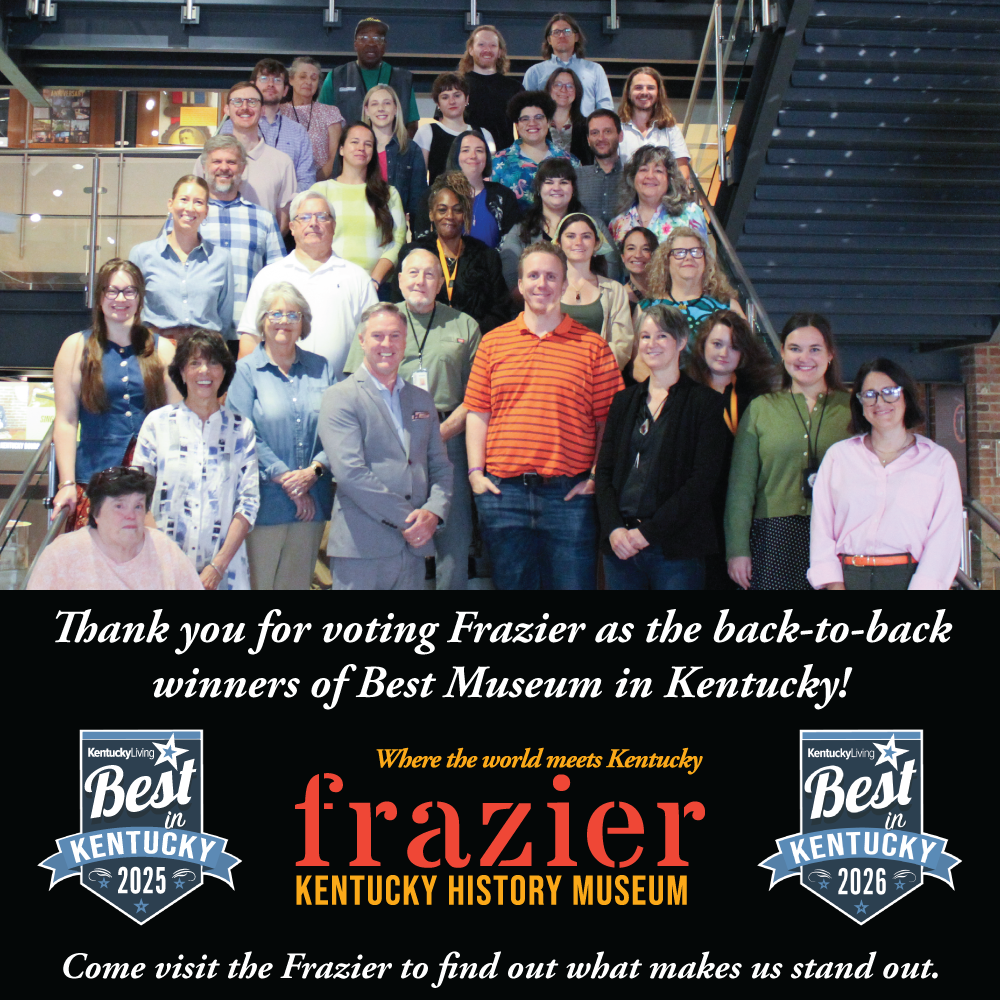
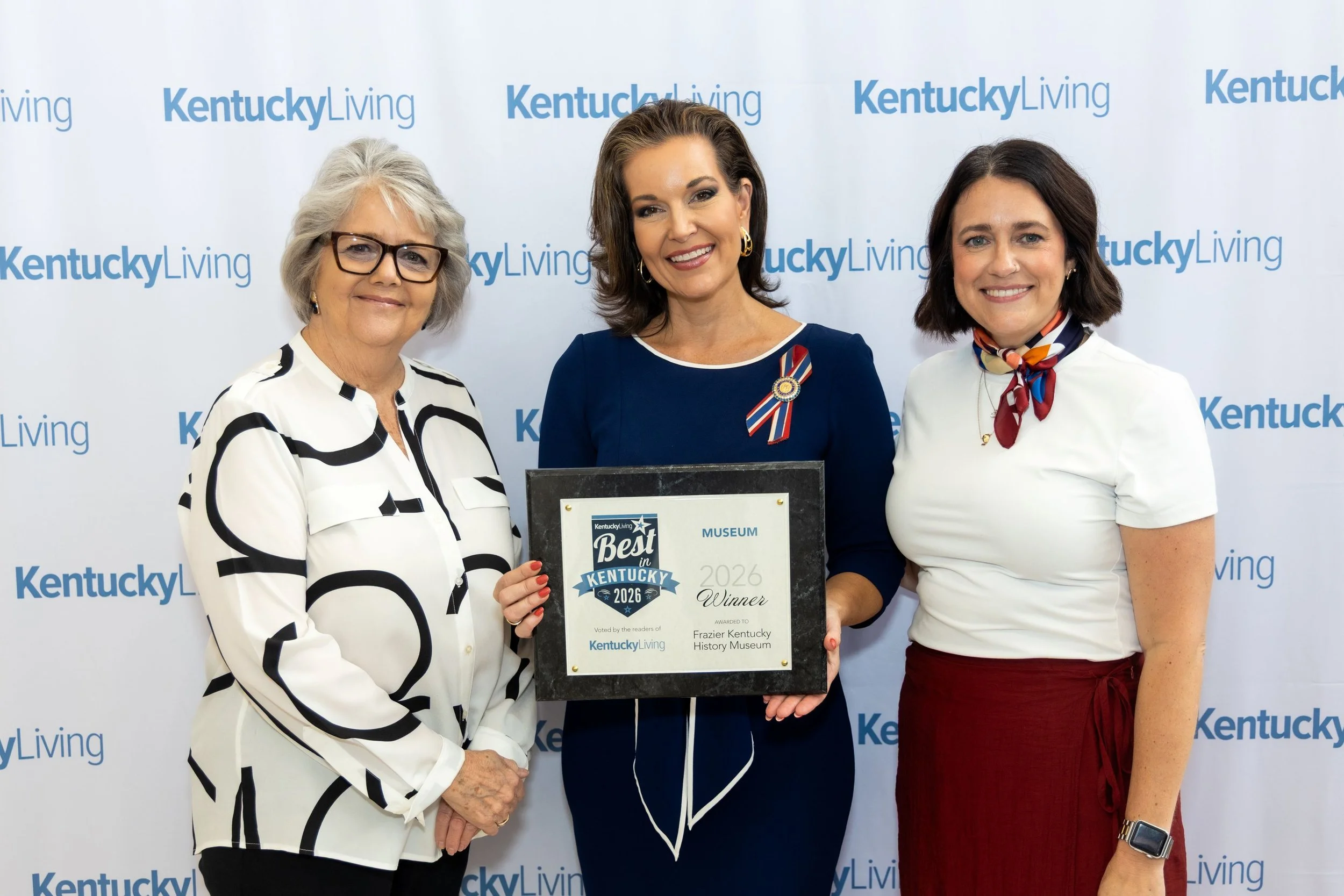
Host Heather French Henry presents the Best Museum in Kentucky award to the Frazier’s Rachel Platt and Casey Harden, August 20, 2026.
Good Monday morning,
As the sun starts to set on the dog days of summer and families begin their back-to-school routines, I want to take this opportunity to welcome hundreds of our new subscribers from Kentucky Living magazine! It is my hope that Frazier Weekly gives you a little something to love, something to look forward to, and something to do—each week.
What an honor it is that Kentucky Living readers have named our Frazier Kentucky History Museum the best museum in Kentucky for a second straight year. Thank you!
Our mission is to engage, inspire, and educate by connecting Kentucky’s past with its present. I can assure you our team works incredibly hard to celebrate this exceptional Commonwealth and to focus on the people, industries, culture, and communities that make it special.
Being voted best in Kentucky in both 2025 and 2026 is humbling indeed, but it only reminds us that our work is just beginning, and our motivation is to serve.
“Strive not to be a success, but rather to be of value.”—Albert Einstein
Our goal will always be to offer value to our longtime supporters, to our members, and now to those of you reading this publication for the first time.
So, what do Kentucky Wide, Scurfpea perfume, Tyler Childers’ song “Bitin’ List,” homeschool days, the Kentucky State Fair, and Cassius Clay’s Bowie knife all have in common? Well, they’re all here in this latest, and free-for-the-takin’, Frazier Weekly.
I hope you enjoy!
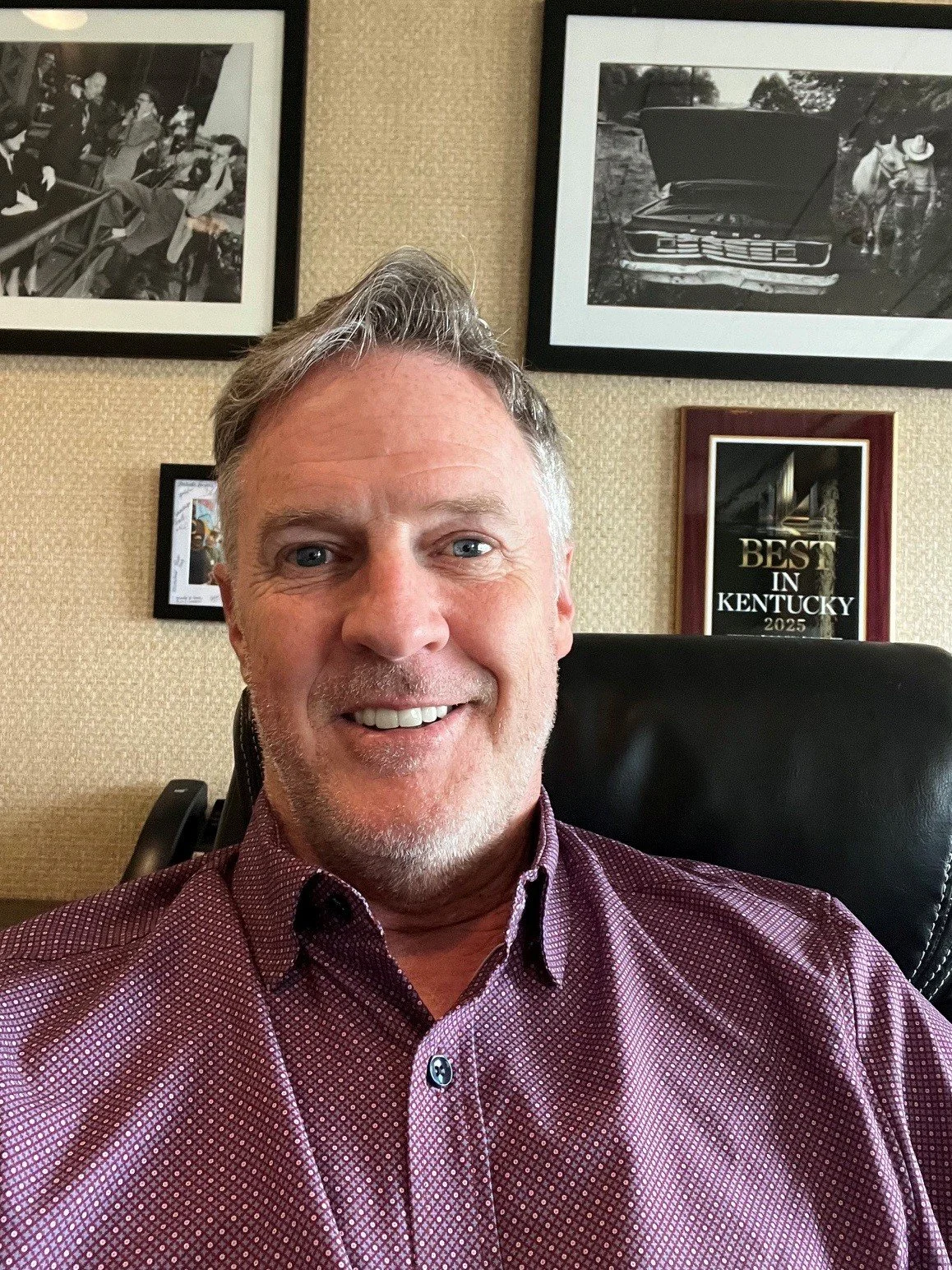
Andy Treinen
President & CEO
Frazier Kentucky History Museum
This Week in the Museum
New Kentucky Wide Episode Explores the Resurrection of an Extinct Kentucky Flower’s Scent
Readers of Kentucky Living may have seen a story I wrote last year about the efforts to recreate the scent of an extinct flower. Dr. Charles Wilkins Short, a Kentucky physician and botanist from the nineteenth century, made a clipping of the Falls-of-the-Ohio Scurfpea in 1859. That flower, as far as anyone knows, later went in extinct in the 1880s.
As it turns out, Dr. Short was a fascinating man—and the second life of his clippings has proven equally fascinating. Chance led a group of scientists to one of his preserved specimens for an exciting experiment, turned installation, turned perfume.
This episode of our podcast Kentucky Wide is near and dear to my heart. I’ve loved this story for years. In April, I had the chance to interview one of the scientists behind the project for a live show at WBUR’s CitySpace in Boston. You’ll hear from that doctor, Dr. Christina Agapakis, in this Kentucky Wide episode, along with the tales of Dr. Short.
And if you’d like to smell the Scurfpea perfume, come see me at the Waterfront Botanical Gardens on Saturday, August 29, where I’ll be tabling from 10 to 2. I’ll have the fragrance handy!

Mick Sullivan
Curator of Guest Experience and Co-host of Kentucky Wide
Cool Kentucky Shop: Future Society’s Grassland Opera
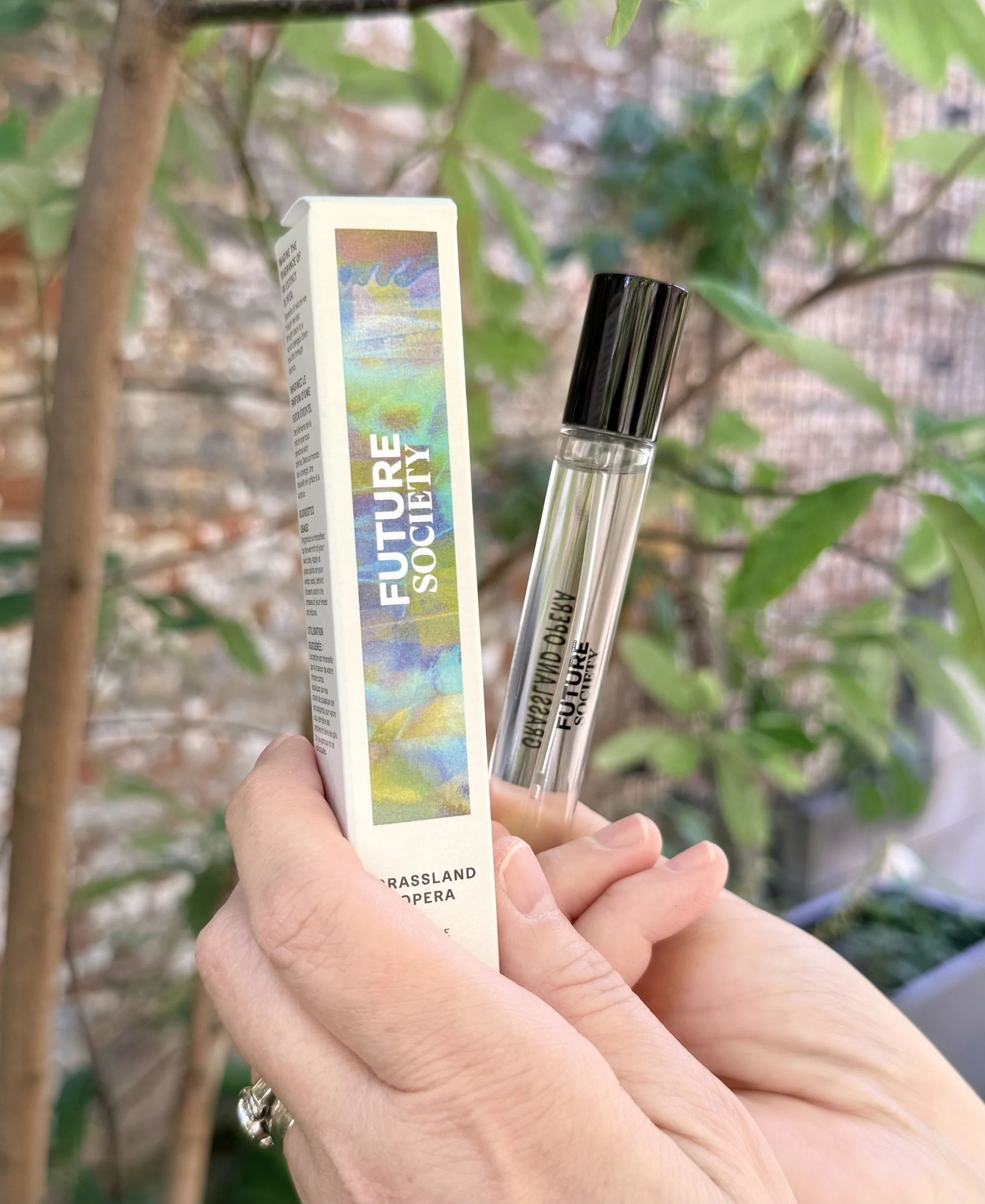
Future Society’s Grassland Opera, sold in the Frazier’s Cool Kentucky Shop.
What if you could experience the scent of a Kentucky flower that disappeared more than 140 years ago? The Falls-of-the-Ohio Scurfpea once grew on Rock Island at the Falls of the Ohio before disappearing from the landscape in the late 19th century.
Future Society used preserved plant DNA to help recreate the scent profile of this extinct flower, resulting in Grassland Opera—a fragrance inspired by a remarkable piece of Kentucky natural history.
Discover this one-of-a-kind fragrance by purchasing a bottle in the Frazier’s Cool Kentucky Shop!
Curator’s Corner: Tyler Childers’ “Bitin’ List” Lyrics
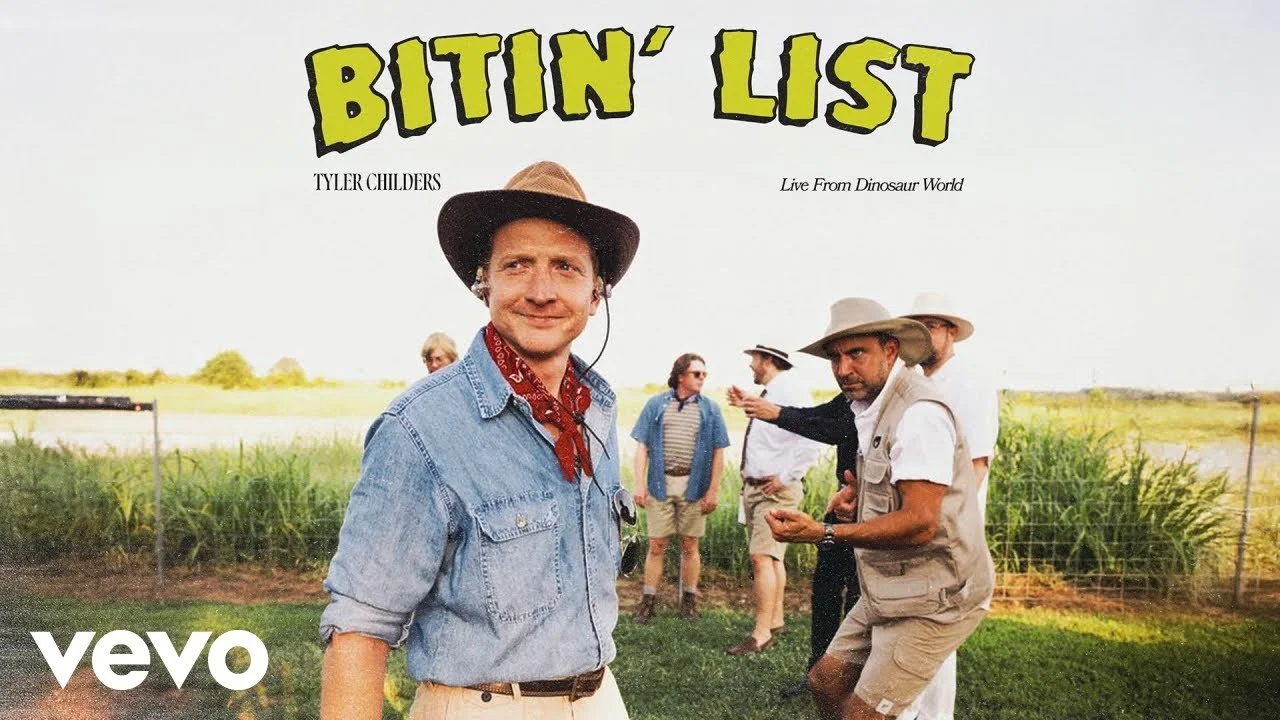
Promotional still for the Tyler Childers song “Bitin’ List,” 2026.
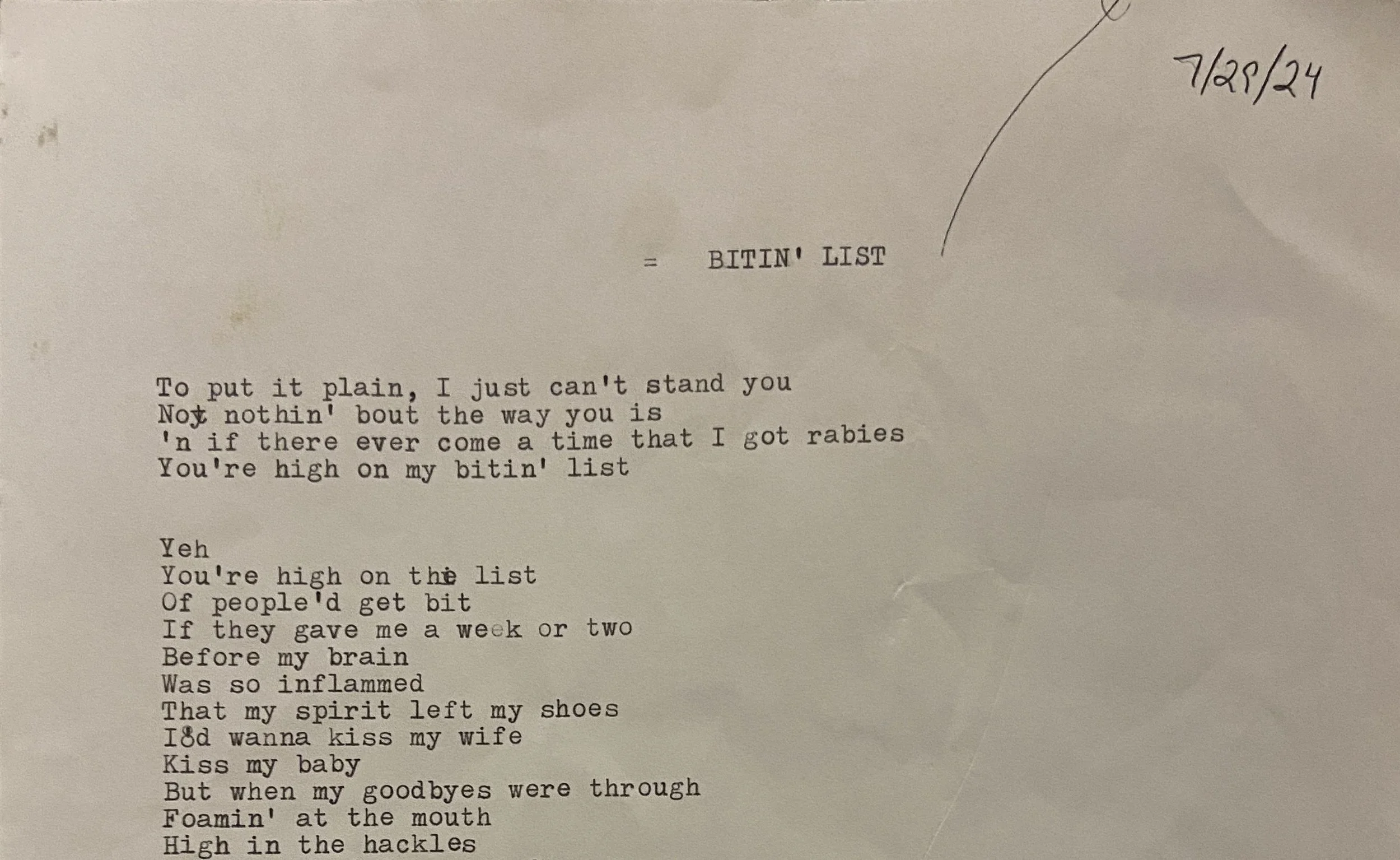
Detail of “Bitin’ List” lyrics on display in the Frazier’s I Too Am a Kentuckian exhibition. The lyrics are dated July 28 or 29, 2024.
Our exhibition I Too Am a Kentuckian is full of many important objects from Kentucky’s history, the earliest of which is a uniform worn during the Mexican-American War in the 1840s. Also on display is a document signed by Abraham Lincoln, pieces from the Obergefell v. Hodges case, books used by the Pack Horse Librarians, protest signs from 2020, and Happy Chandler’s baseball glove.
With so many important objects, it’s hard to pick a favorite. After all, the exhibition also features Loretta Lynn’s beautiful red gown with chiffon cape.
If I had to choose, though, I would probably pick the unassuming framed piece that just looks like a page from a typewriter, featured in the section about Freedom of Speech. In this section, we focus on Kentucky’s deep history of protest songs, from Florence Reese and Aunt Molly Jackson to Loretta Lynn and contemporary country musician Tyler Childers.
I have become a fan of Tyler Childers over the past few years, especially after learning about all the work that he does to give back to the people of Kentucky. When I decided to feature his song “Long Violent History,” I knew I wanted to reach out to him to see if we could borrow something for the exhibition. As a popular touring musician, Tyler Childers and his team are quite busy, so it was a bit of a long process to secure something to display in the exhibition. I am so grateful that I was able to work with Tyler’s personal librarian and archivist, who helped choose an item for us to display and dropped it off just a few days before the exhibition opened.
Excitingly, we were able to borrow the original typewriter-written lyrics to Tyler’s hit song “Bitin’ List,” for which he won the 2026 Grammy for Best Country Song. When I saw Tyler in concert recently, he made a reference to the first time he wrote the song down, so it was really special to know that we have those original lyrics on display.
Of course, I want to extend a huge thanks to Tyler and his team for being so gracious to loan us such a cool piece to have on display in I Too Am a Kentuckian. I hope that you will take some time to check it out the next time that you visit the museum. And you never know, you may be seeing more of Tyler in the museum in the future . . .

Amanda Briede
Sr. Curator of Exhibitions
What you Learn on a Simon Tour of I Too Am a Kentuckian
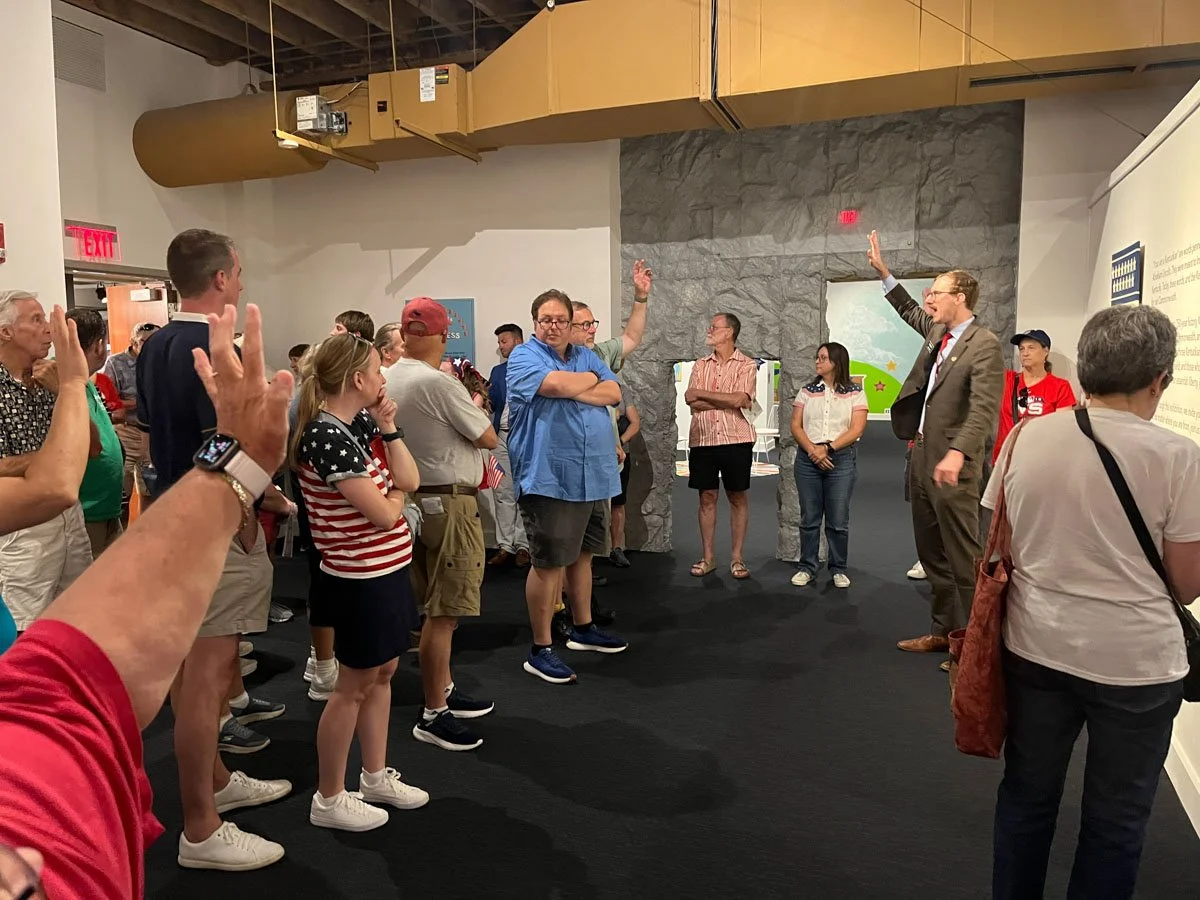
Simon Meiners and Amanda Briede lead the first tour of I Too Am a Kentuckian, July 4, 2026.
My name is Simon Meiners. Every Monday at 11 a.m. I lead a twenty-minute tour of our America250-themed exhibition I Too Am a Kentuckian—a celebration of Kentuckians who’ve helped preserve the promises of life, liberty, and the pursuit of happiness.
Here at the Frazier, we have a deep bench of great speakers and educators—so a Mick tour, a Nicole tour, and a Sarah tour all offer something unique.
So what about a Simon tour?
To start, I divvy up the tour into sections. How have Kentuckians practiced the values from the Declaration of Independence? Through government service, military service, protests, organizing, activism, education, art, music, and literacy.
First, we look at Kentuckians who’ve served in the federal government—in the legislative, executive, and judicial branches. (Did you know the first Jewish Supreme Court justice was a Kentuckian?) Next, we speedrun through the governors. (Did you know the only governor assassinated in US history was a Kentuckian?)
After that, onto military service. We have military uniforms worn by a Kentuckian in each major American military conflict, from the Mexican-American War to the War on Terror. (Did you know the first woman to pilot a combat mission for the Marine Corps was a Kentuckian?)
Of course, we look at Kentuckians during the Civil War. (Did you know thousands of slaves came to Jessamine County to obtain their emancipation papers and enlist for the Union? We have objects excavated from Camp Nelson and its refugee camp.)
One room in the exhibition is devoted to the rights protected by the First Amendment to the US Constitution—namely, religion, speech, press, assembly, and petition. Here, we spotlight Kentuckians like Loretta Lynn, whose song about birth control, “The Pill,” many radio station refused to play. We reflect on steel strikers in Newport, sit-ins at segregated restaurants in Lexington, teacher “sick outs” in Frankfort, and protests against no-knock raids in Louisville.
Finally, we end with a book crate used by the Pack Horse Librarians in Eastern Kentucky. Those librarians rode on horseback to deliver books to readers in hard-to-reach areas in the 1930s. As I remind visitors, every Kentuckian—whether he lives in a Louisville tenement or at the end of a dirt road in a Knox County holler—ought to have access to the printed word.
I hope you’ll join me for a Simon tour, offered each Monday at 11 a.m. But if you can’t make it to one of mine, just know that we offer tours six days a week—Monday to Saturday, at 11, 1, and 3!
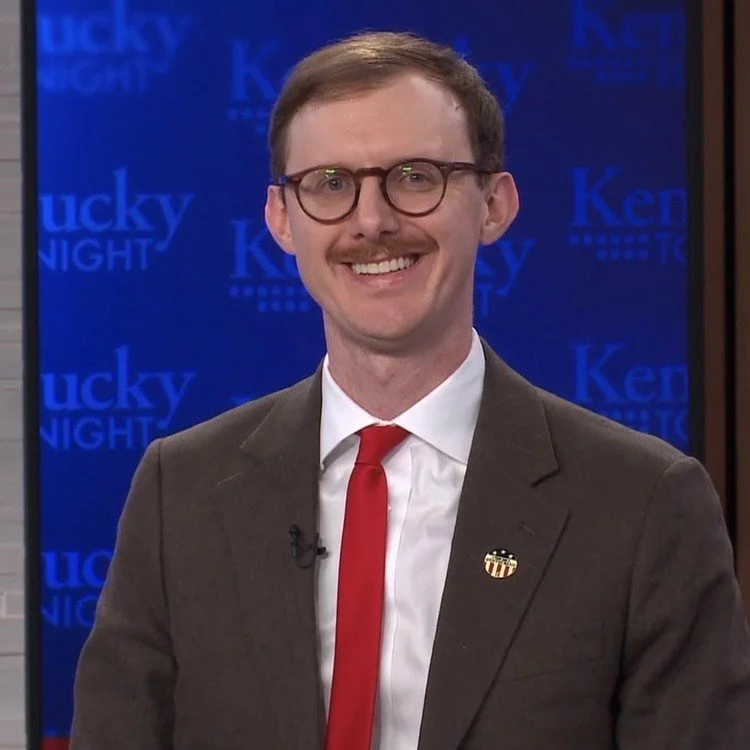
Simon Meiners
Communications & Research Specialist
Teacher Professional Development: Louisville to Liberty: Utilizing the Blackburns’ Journey in the Classroom
The Frazier Museum education team members are big fans of teaching history through stories. The incredible true tale of Thornton and Lucie Blackburn is a powerful way to share state, national, and international history of the 19th century with students.
This fall we are pleased to offer a training focused on the couple and share resources for use in the classroom. And, not only that—educators will also have the unique opportunity to meet the leading expert on the topic joining us all the way from Canada, Karolyn Smardz Frost.
Teacher Professional Development: Louisville to Liberty: Utilizing the Blackburns’ Journey in the Classroom
Monday, September 14 (In Person)
5–7 p.m. Eastern Time
Cost: Free for educators with advanced registration
In 1985, archaeologists in Toronto, Canada, made an incredible discovery. Beneath the playground of a school lay the remnants of a house, shed, and cellar. Records showed that the property’s original owner was “Thornton Blackburn, cabman, colored.” Against all odds, he and his wife had escaped their enslavers in Louisville, Kentucky, in 1831 and gone on to lead exceptionally impactful lives.
Don’t miss your chance to meet the lead archaeologist on the project and hear firsthand about her years-long journey meticulously piecing together the Blackburns’ experience. Karolyn Smardz Frost is an archaeologist, a historian, and the author of multiple award-winning books, including I’ve Got a Home in Glory Land: A Lost Tale of the Underground Railroad, which won Canada’s top literary award and was nominated for a Pulitzer.
Educators will have the unique opportunity to discover the Blackburn story and its curriculum implications, as well as learn how to avoid the trap of referencing Underground Railroad myths in the classroom. They will hear about resources ready for use in the classroom and have time to explore the Louisville to Liberty: The Blackburns’ Journey exhibit which includes artifacts from the dig.
A light dinner will be provided, and, thanks to a generous donor, Ken Draut, each educator will receive a personal copy of the book I’ve Got a Home in Glory Land: A Lost Tale of the Underground Railroad. Draut is a former history teacher and read the book when it first came out. He says it’s one of the best stories he’s ever read and bought copies years ago for middle school libraries, and now again for our teachers.
We hope you’ll sign up here to join us for this Teacher Professional Development.
And don’t forget—there will also be a public program, Louisville to Liberty: The Blackburns’ Journey featuring Karolyn Smardz Frost and an array of community partners the next evening, on September 15. Tickets are available here, and free for Frazier members.

Megan Schanie
Sr. Manager of Educational Programs
Visit our 120 Activation at the Kentucky State Fair!
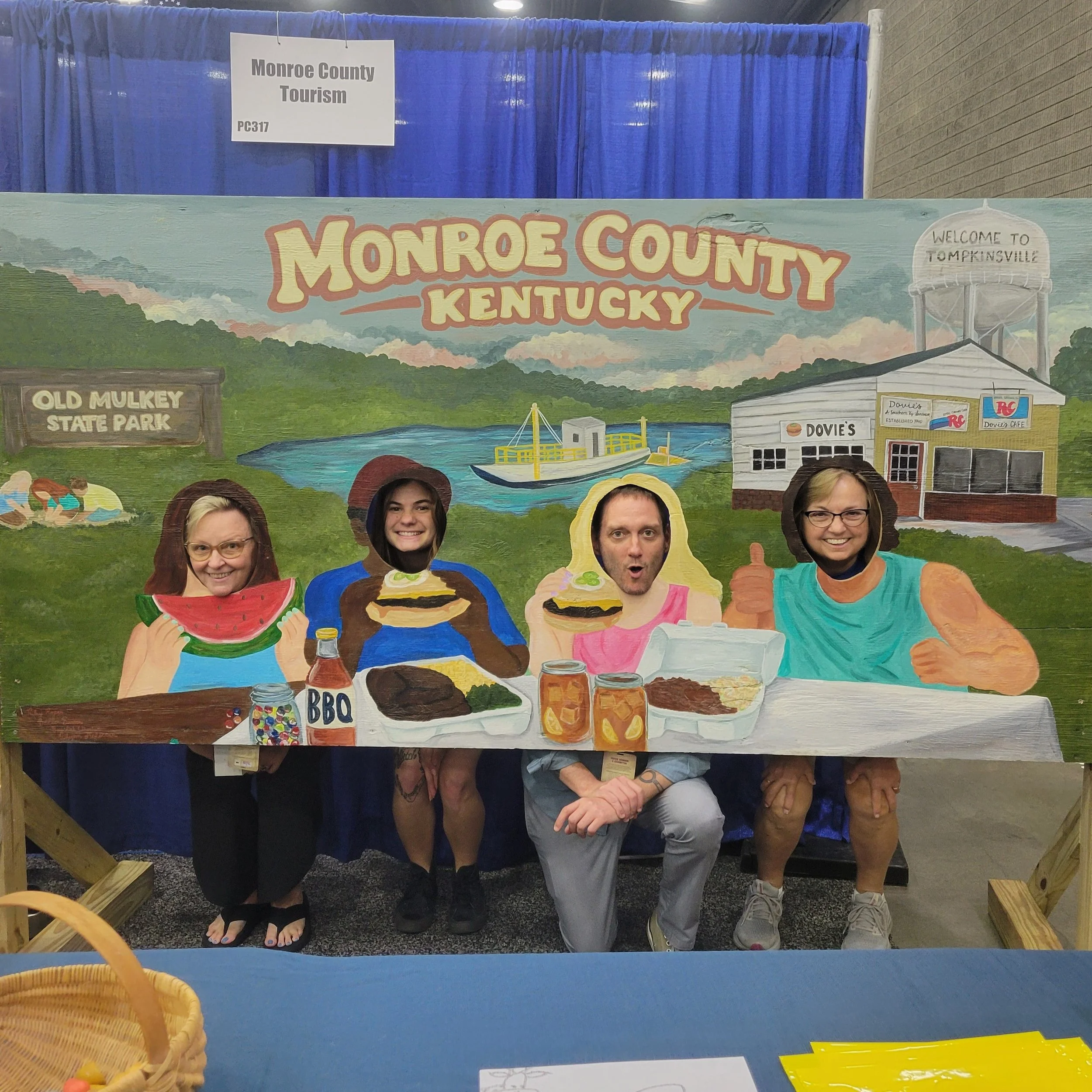
The Frazier’s Jason Berkowitz poses with Monroe County representatives at the Kentucky State Fair, August 21, 2026.
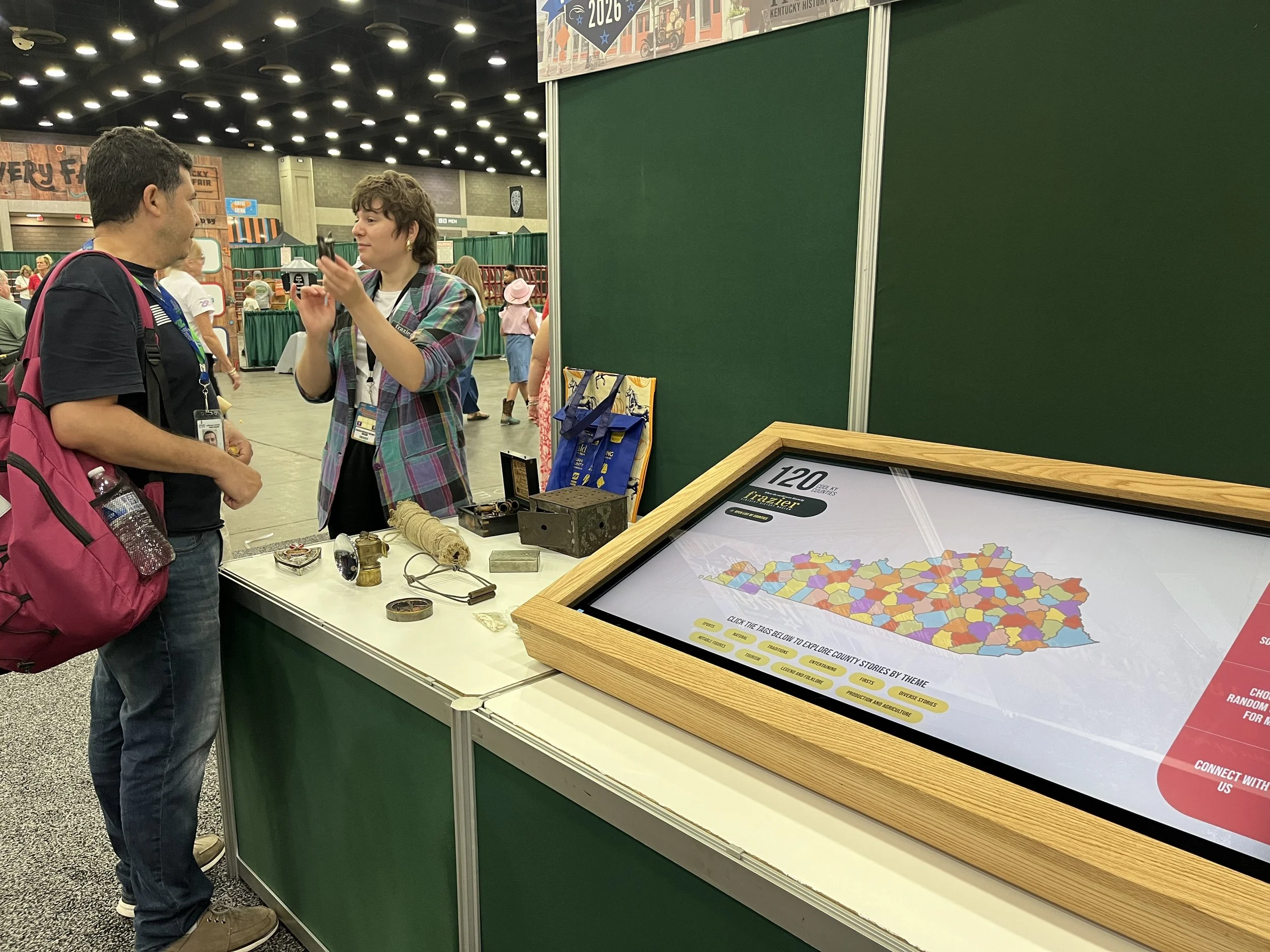
The Frazier’s Megan Sleeper speaks with a visitor at the 120 activation at the Kentucky State Fair, August 20, 2026.
The Kentucky State Fair is in full swing, and the 120: Cool KY Counties team will be there every day until August 30! Come check us out in South Wing B and take a gander at our new (and mobile!) 120: Cool KY Counties interactive display. Here you can discover stories and songs from each of our 120 counties, including your very own! And once you’re finished exploring Kentucky, feel free to get your hands on some pretty cool objects from our collection! No display cases or stuffy museum staff telling you “hands off.” It’s YOUR history, so we hope you have fun with it!
The state fair is also giving us a chance to meet some amazing Kentuckians, and hoo boy, are we hearing some real humdingers! That’s exactly what 120: Cool KY Counties is all about—swapping stories and making new friends across Kentucky! Whether receiving marble shooting tips from folk in Monroe County, hearing firsthand coal mining experiences from those in Harlan County, or burying the hatchet with longtime rivals in Carroll County (a big ask for this Trimble County grad), the Frazier Museum and its 120 team is all about YOU and your stories. Again, it’s your history, your heritage, and our honor to bring them to a wider audience.
Come see what we mean, and be sure to bring a story of your own. There’s nothing we love more!
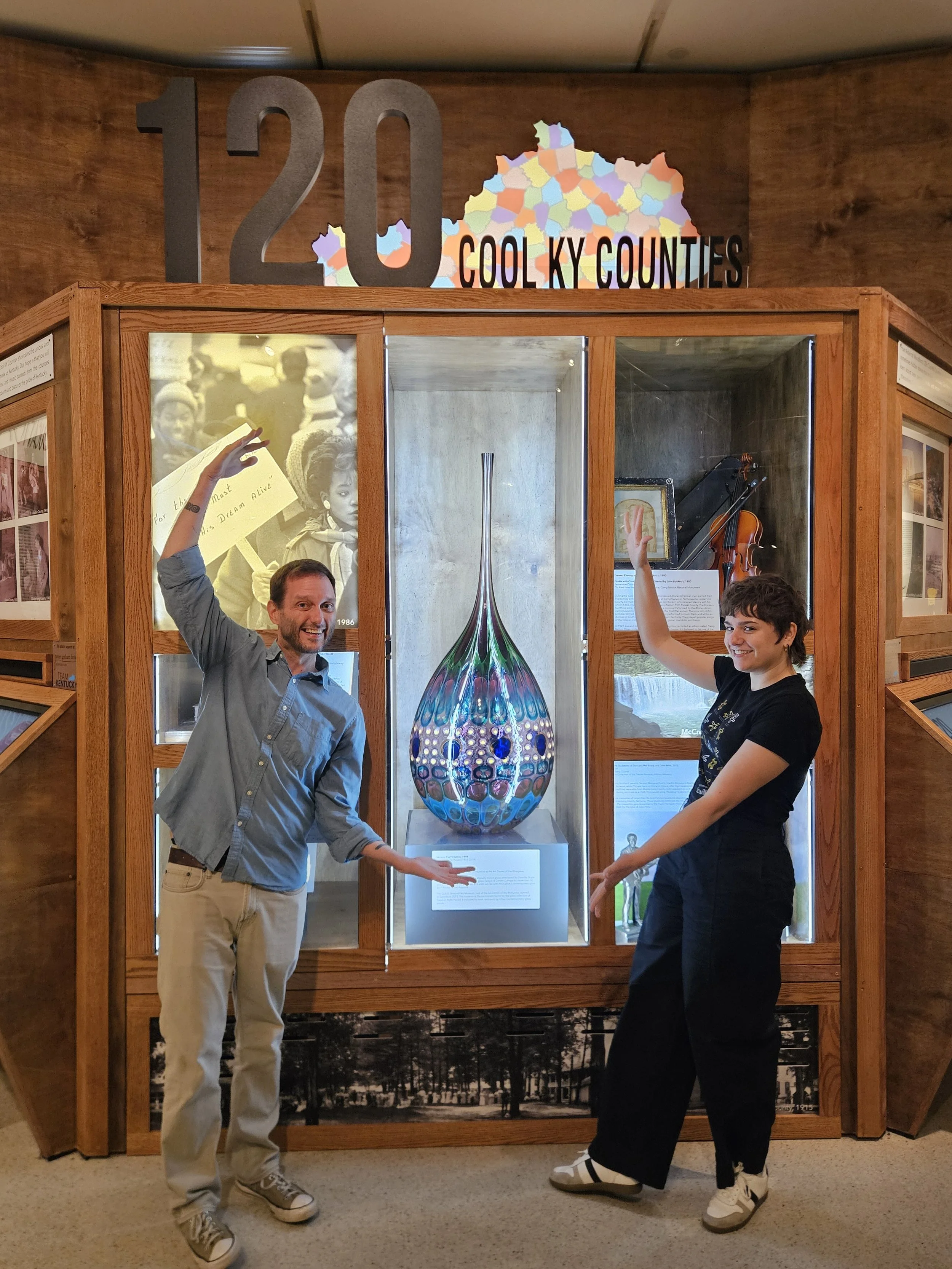
Jason Berkowitz
Manager of 120 on the Road
Abolitionist Cassius Clay’s Bowie Knife on Display at Frazier
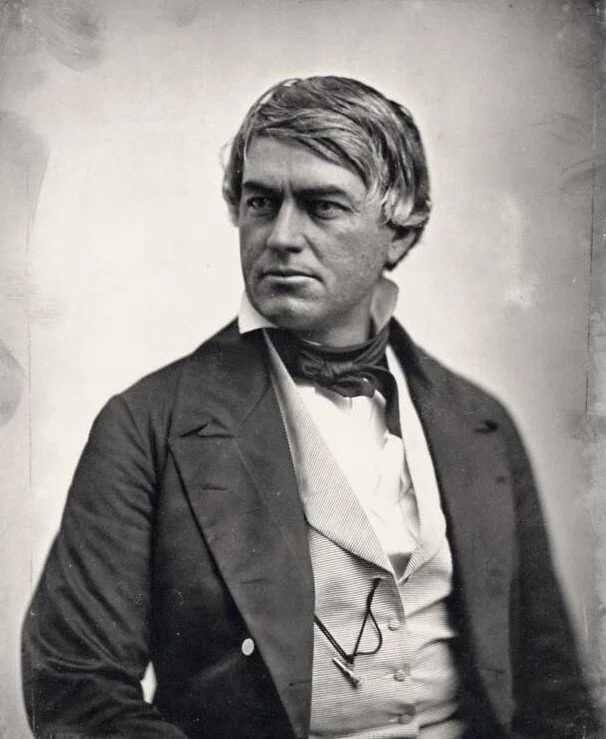
Cassius Clay, c. 1840.
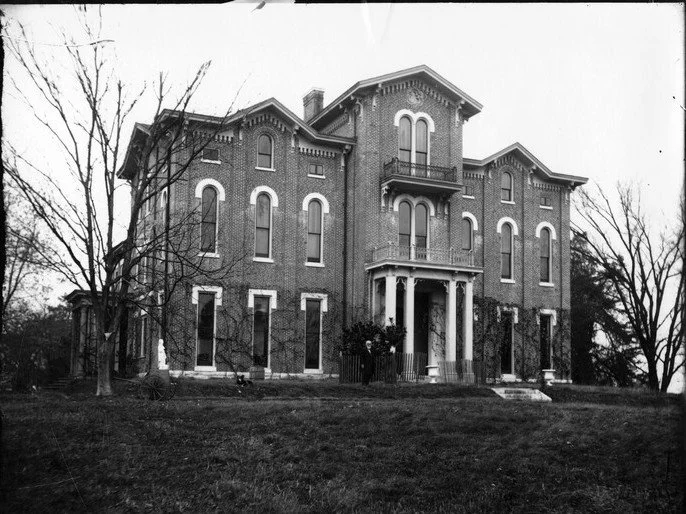
Cassius Clay poses outside White Hall north of Richmond, Madison County, Kentucky, 1894.
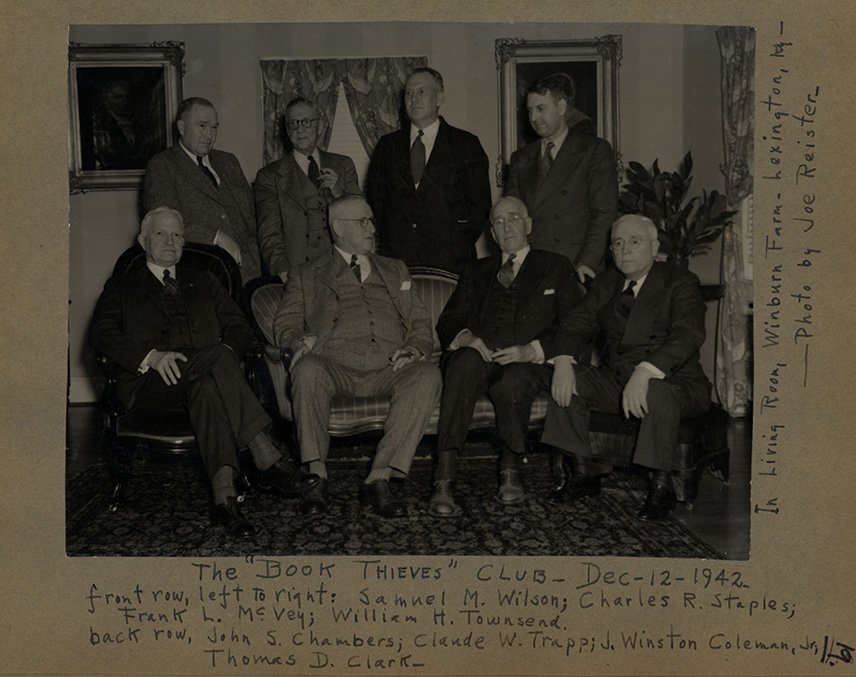
The Book Thieves Club, 1942.
One of the most interesting objects on display in our new exhibition I Too Am a Kentuckian is a Bowie knife that belonged to abolitionist firebrand Cassius Clay. To shed light on this fascinating figure from Kentucky history, we’ve asked Mathew Parrish from the White Hall State Historic Site to write about who Cassius Clay was and his impact on Kentucky and beyond.—Simon Meiners, Communications & Research Specialist
In 1843, a political rally was held at Russell’s Cave just outside the city of Lexington, Kentucky. There, a pro-slavery politician named Robert Wickliffe Jr. was giving a speech but was interrupted multiple times by a man standing in the crowd. That man’s name was Cassius Marcellus Clay. Wickliffe was seeking to be elected to the US House of Representatives, but his campaign was made no easier by the actions of Cassius Clay. They had dueled two years prior, and despite them both missing and calling it a draw, they remained enemies.
As Clay argued with Wickliffe, a man named Samuel Brown approached Clay, called him a liar, and struck him with an umbrella. What happened next can really only be best described by Cassius Clay’s own words: “I at once drew my Bowie-knife; but, before I could strike, I was seized from behind, and borne by force about fifteen feet from Brown, who, being now armed with a Colt’s revolver, cried: “Clear the way, and let me kill the damned rascal,” Clay then charged Brown, and Brown shot him in the chest at point blank range. Clay attacked Brown with his knife and slashed at his face before onlookers could pull the two men apart. Once the fight ended, Clay was taken to a nearby home so that his wound could be inspected. He later remembered, “on opening my vest and shirt-bosom, found only a red spot over my heart, but no wound. On examination it was found that the ball, as I pulled up the scabbard of my Bowie-knife, in drawing the blade, had entered the leather near the point, which was lined with silver, and was there lodged.”
Cassius Clay had made a name for himself in the late 1830s as an outspoken antislavery advocate. He attended Yale in 1831, and there went to a lecture given by the abolitionist William Lloyd Garrison. Despite growing up on one of the largest plantations in Kentucky, Clay later remembered, “as water to a thirsty wayfarer were to me Garrison’s arguments and sentiments.” Clay was elected in 1835 to the Kentucky House of Representatives and began urging for antislavery laws to be passed. However, his anti-slavery rhetoric eventually became too radical for voters in Kentucky, and he lost an election in 1841. Losing the reelection did not dissuade Clay, and in 1845 he started an antislavery newspaper called The True American. He chose an office building in downtown Lexington as the print shop, and very quickly drew the attention of slaveowners, so much so that he felt it necessary to defend the building. He later remembered in his memoir, “I purchased two brass four-pounder cannon at Cincinnati, and placed them, loaded with shot and nails, on a table breast high.”
This knife at the Frazier and several others displayed at Clay’s home, the White Hall State Historic Site, came from the collection of Kentucky historian William Townsend, who is known for reinvigorating the history of Cassius Clay’s life. Townsend gave a lecture about Clay at a Civil War Round Table meeting in 1952. The lecture, titled “The Lion of White Hall,” was recorded, sold in the form of vinyl records, and made into a book. Townsend also collected historical artifacts, and several knives that once belonged to Clay were donated to White Hall by his son-in-law after Townsend passed away. Townsend was good friends with famous Kentucky historian Thomas D. Clark, and both were members of an informal Kentucky history club called The Book Thieves.
Many of Clay’s knives, including this one, were made by the George Wolstenolm and Sons company of Sheffield, England. Though the image of the bowie knife is profoundly American, many knife makers in England were producing bowie-style knives in the 1800s solely for the American market. While Clay used a bowie knife in his fight with Samuel Brown in 1841 and several other fights, it is unclear what knives he used at specific events. This bowie knife may or may not have seen action, but what is certain is that its owner did.
Cassius Clay had been shot, stabbed, beaten, imprisoned, but lived to the age of ninety-two. He worked with Abraham Lincoln and campaigned to help him win his first election and then was appointed to be U.S. Minister to Russia in 1861. He met Tsar Alexander II and helped the US government purchase Alaska. He also was a very controversial figure. While advocating for slavery’s end, he argued with abolitionists, and still owned slaves until the Thirteenth Amendment passed. He and his wife, Mary Jane Warfield, divorced in 1878 after Clay adopted a young boy from Russia and refused to tell anyone who his mother was. Clay’s life tells the story of our country, and the great dangers many faced and overcame to end slavery.
Mathew Parrish
Museum Curator, White Hall State Historic Site
Guest Contributor