Is This Love That I’m Feeling?, Shahla Karimi Jewelry, Tobacco and Woolly Worm Festivals, and More
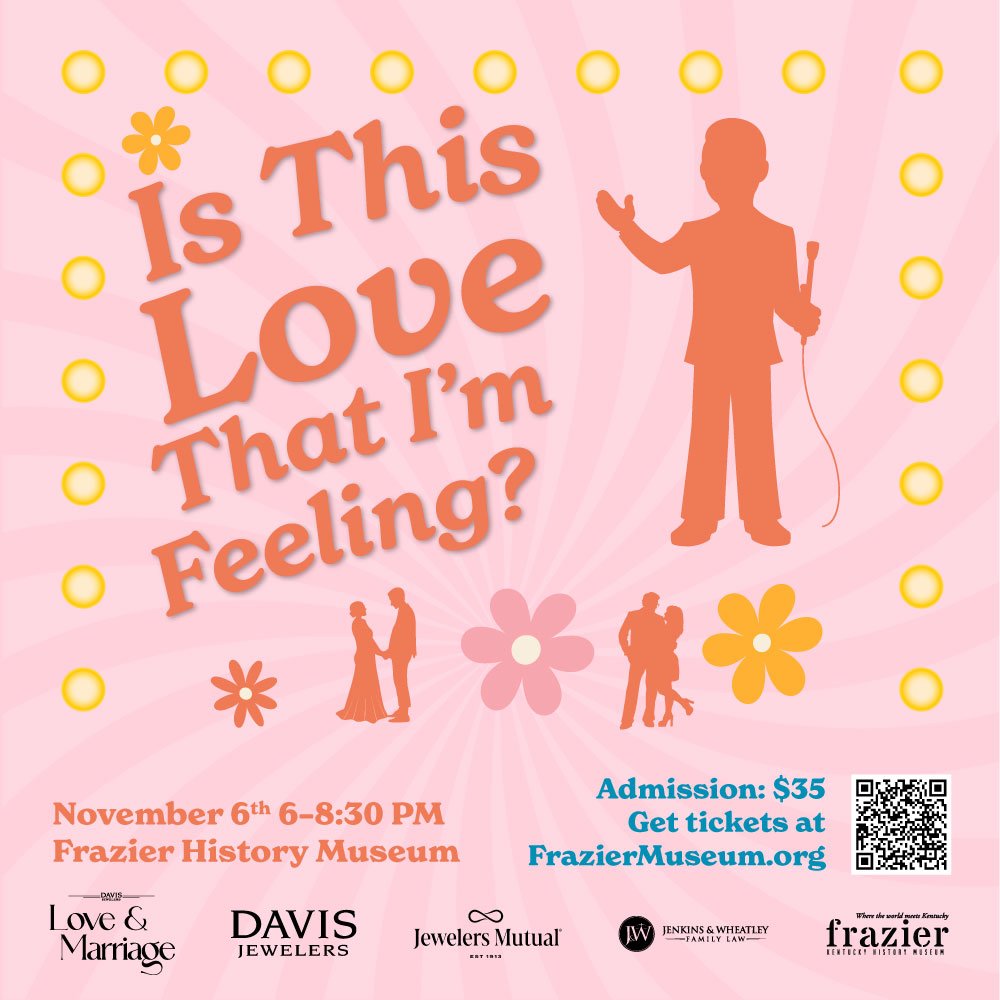
Is This Love That I’m Feeling? flyer.
Good Monday morning!
Are you feeling lucky in love?
With our next program, we are going outside the box to explore that warm and fuzzy feeling that leads to a first date, a committed relationship, and eventually a lifelong partner. In celebration of our Davis Jewelers’ Love & Marriage exhibition, the Frazier Kentucky History Museum invites you to Is This Love That I’m Feeling? on November 6.
Of course, Davis Jewelers will be a part of the fun—talking trends, sharing industry secrets, and offering a chance for one lucky attendee to win a piece of jewelry at the end of the night with a drawing. Ashley Davis will also take part in our on-site game show that combines the Dating Game, the Newlywed Game, and Love Island. Best of all, you get to take part in the fun! So grab your significant other, your neighbor, or your best gal-pal and come on out.
The night of surprises also features passed appetizers, vendor booths, jewelry cleaning, fashion, event planning, holiday trends, and trade secrets that will set you up for s-u-c-c-e-s-s in your own relationship. After all, everybody wants to get lucky—in love! Attendees will also have the chance to meet Shahla Karimi, an Oldham County native who has designed jewelry for Taylor Swift.
So, join us for a fun-filled night of love, laughs, and perhaps some occasional blushing as we channel Bob Eubanks and the whoopee (means fun) that great relationships inspire.
In today’s Frazier Weekly, Jason Berkowitz highlights some upcoming festivals in the Commonwealth, Rachel Platt honors the birthday of a long-time Frazier volunteer, and Abby Flanders is back on the trail featuring Casey Jones and its Prohibition-era square pot stills.
Enjoy, folks!

Andy Treinen
President & CEO
Frazier Kentucky History Museum
This Week in the Museum
Frazier Features Oldham County Jewelry Designer Shahla Karimi
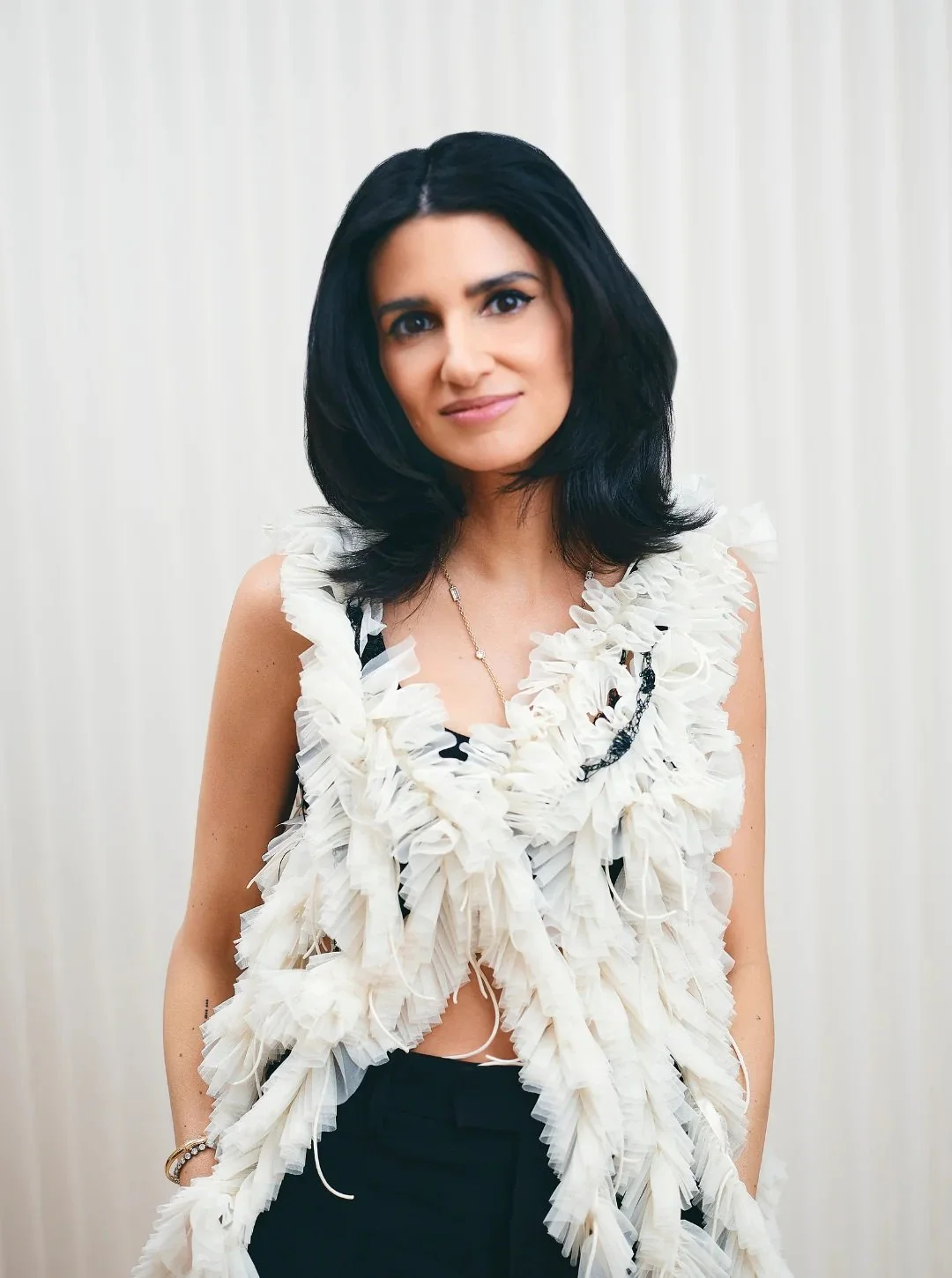
Shahla Karimi. Credit: Jesse Korman, Shahla Karimi Jewelry.
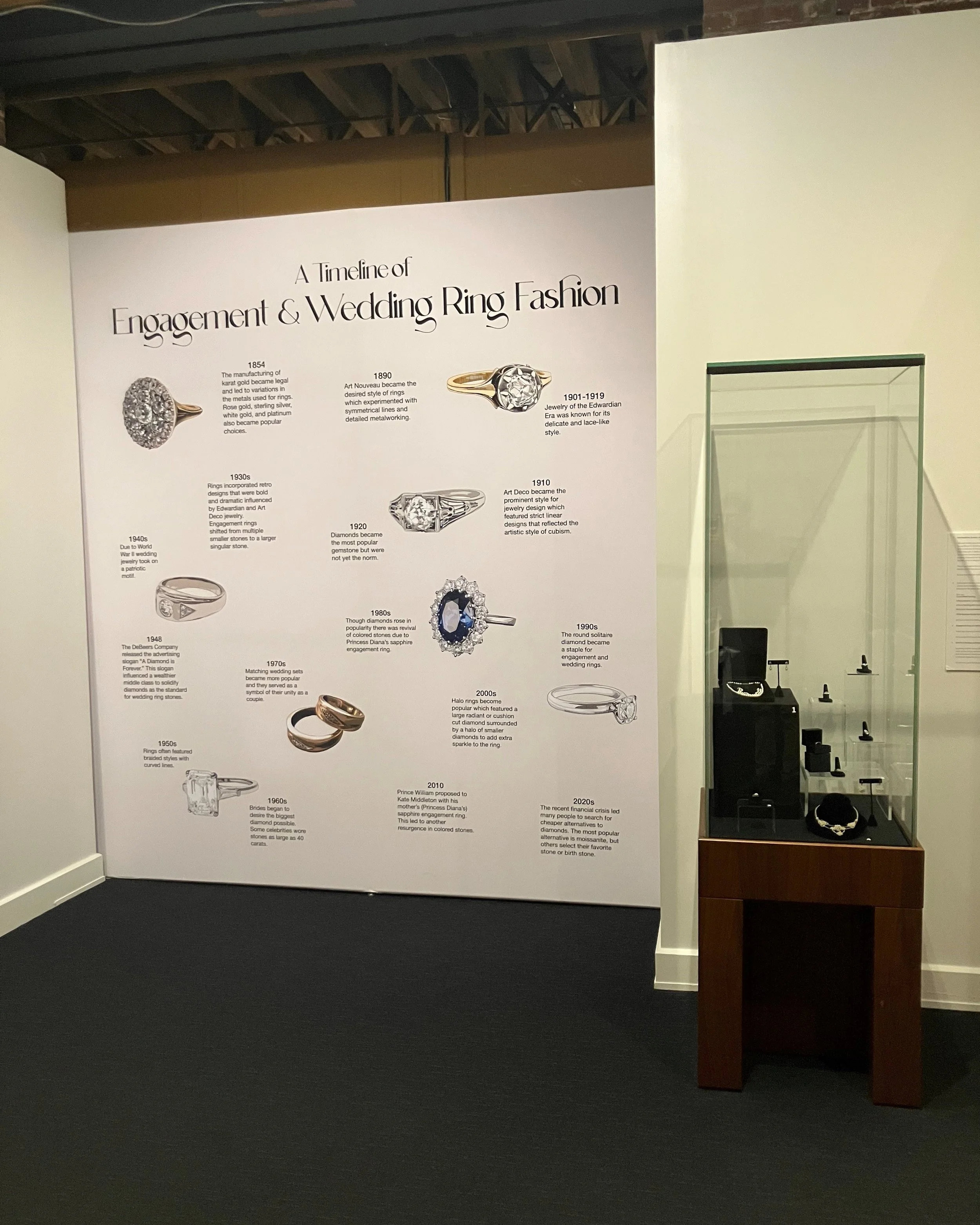
A case with Shahla Karimi Jewelry pieces on display in the Frazier’s Davis Jewelers’ Love & Marriage exhibition, August 27, 2025.
On September 1, I wrote an article about how Kentuckian Shahla Karimi has designed rings for Taylor Swift. As it turns out, my coworker Casey Harden grew up with Shahla. Frazier visitors can see select Shahla Karimi Jewelry pieces on display in our Davis Jewelers’ Love & Marriage exhibition. But if you’d like to meet Shahla yourself, join us November 6 for our Is This Love That I’m Feeling? program! I’ve asked Casey to shed light on their shared history in Oldham County.—Simon Meiners, Communications & Research Specialist
In our new exhibition Davis Jewelers: Love & Marriage, we have the unique opportunity to showcase all things weddings: dresses, veils, suits, trousseau cases, and, of course, jewelry. The jewelry section of the exhibition is especially significant to me because it features rings by the most exceptional and amazing Kentucky jewelry designer, Shahla Karimi.
Am I biased? Yes. Why? Because she’s my best friend.
Our friendship began in a yellow brick building out Highway 393 in Buckner: Oldham County High School, in Mrs. Lutz’s English class, to be precise. We were partnered on an interview project. Shahla jumped in talking all things animals and how she wanted to be the next Jack Hannah. Her knack for storytelling took my “I just moved here” to telling the class I was in the witness protection program. Naturally, we hit it off; our idiosyncrasies matched. We were sidekicks for four years: supporting, pushing, caring for, and sometimes fighting with each other. We had an inside saying whenever we had to tackle something scary or hard: “You’re a big brave dog.” She’s the bravest dog I know!
Fast-forward to college graduation, at which point Shahla was bound for New York City and everything the Big Apple had to offer. While we will lived separate lives, one thing remained the same: She always knew Kentucky was home was. As I was living my #MuseumLife, she was dreaming big. That was no surprise to anyone who knows Shahla—she’s always dreaming big. As a lifelong artist, a math prodigy, and someone who truly understands fashion, she was destined for jewelry design. She started off small, hosting a shop on Etsy. But her dedication and determination paid off when she officially launched Shahla Karimi Jewelry. Her jewelry is storytelling, bridging tradition with modernity. Showcasing people’s love, passion, and truth, she allows their personalities to shine through every piece of jewelry.
Seeing Shahla’s creations featured in this exhibition feels like a celebration of not only her talent, but the years she has poured into her work. The girl I used to sneak into Tinseltown with is now designing jewelry for movie stars like Lucy Liu, Kaley Cuoco, and Reece Witherspoon.
But no matter her success or international recognition, one thing hasn’t changed: She’s still my best friend.

Casey Harden
Sr. Director of Engagement
A Milestone for a Frazier Favorite: Happy Birthday, Clifford Horn!
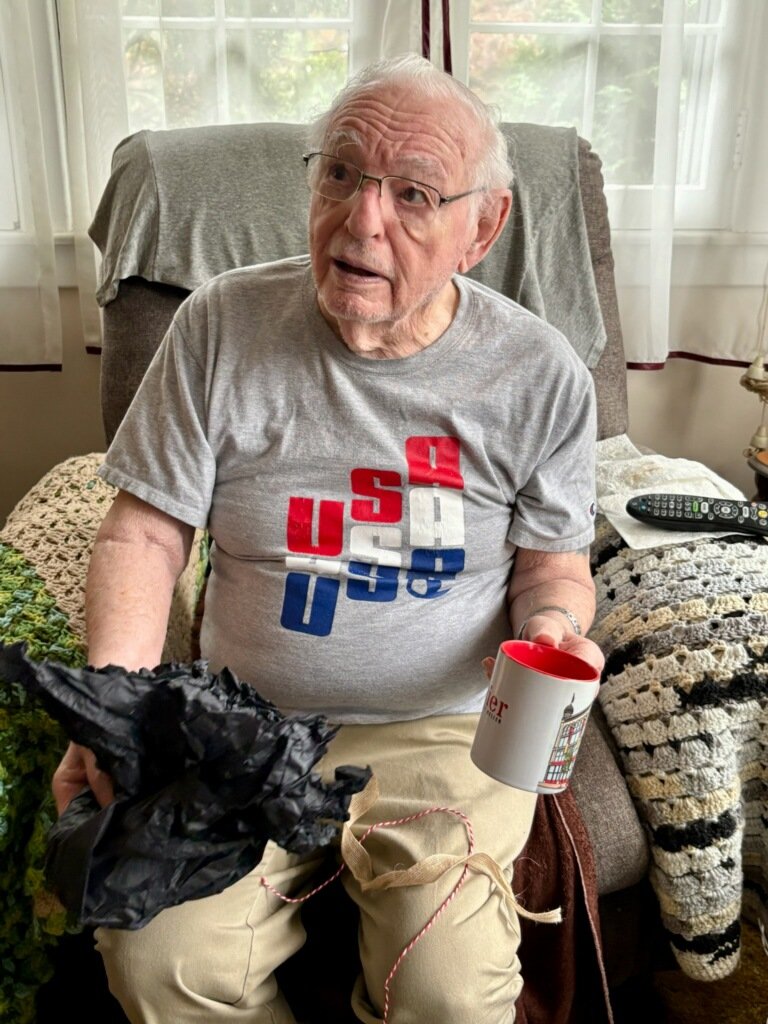
Clifford Horn unwraps his Frazier Kentucky History Museum coffee mug.

An older Frazier Kentucky History Museum pamphlet that features a photo of Clifford on the front!
Cheers to a milestone birthday for someone special to the Frazier History Museum.
Clifford Horn turned ninety years old last Wednesday!
He spent many years at the Frazier as one of our cherished volunteers. In fact, he had some 2,000 volunteer hours here!
Horn, a former engineer at the Indiana Army Ammunition Plant, was looking for something to do when the plant closed—and the Frazier ended up being the perfect landing spot.
His daughter tells me he only left us for health reasons.
I talked with Clifford last week to say happy birthday, to make sure he received the Frazier mug we sent him, and to ask about his love of volunteering.
He said he enjoyed engaging with people and loved volunteering and encouraged others to do the same.
We thank you, Clifford, for your service. Happy birthday!

Rachel Platt
VP of Mission
Museum Shop: Signed Copies of A Pearl in the Storm
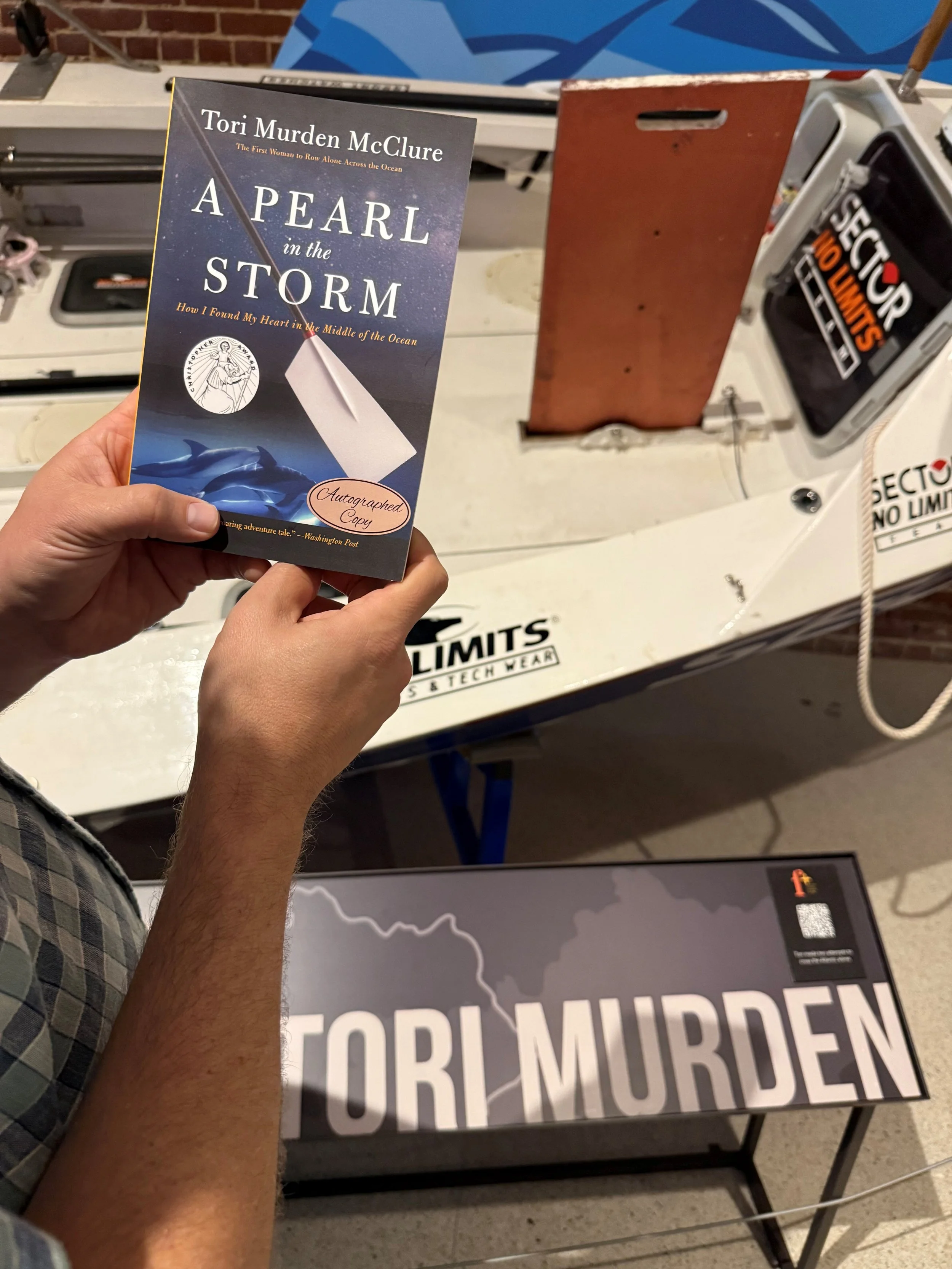
Mick Sullivan holds a copy of Tori Murden McClure’s memoir A Pearl in the Storm above the actual boat at the Frazier Kentucky History Museum, September 24, 2025.
This powerful memoir is a favorite among Frazier Kentucky History Museum staff—and for good reason. In A Pearl in the Storm, explorer Tori Murden McClure recounts her groundbreaking 1999 solo journey across the Atlantic Ocean, becoming the first woman to row the ocean alone. You can see Tori’s actual boat, American Pearl, when you visit the Frazier and learn more on one of our daily tours. Copies signed by the author are available online and in the Frazier’s Museum Shop.
NASA Names Oldham County Native Erin Overcash an Astronaut Candidate
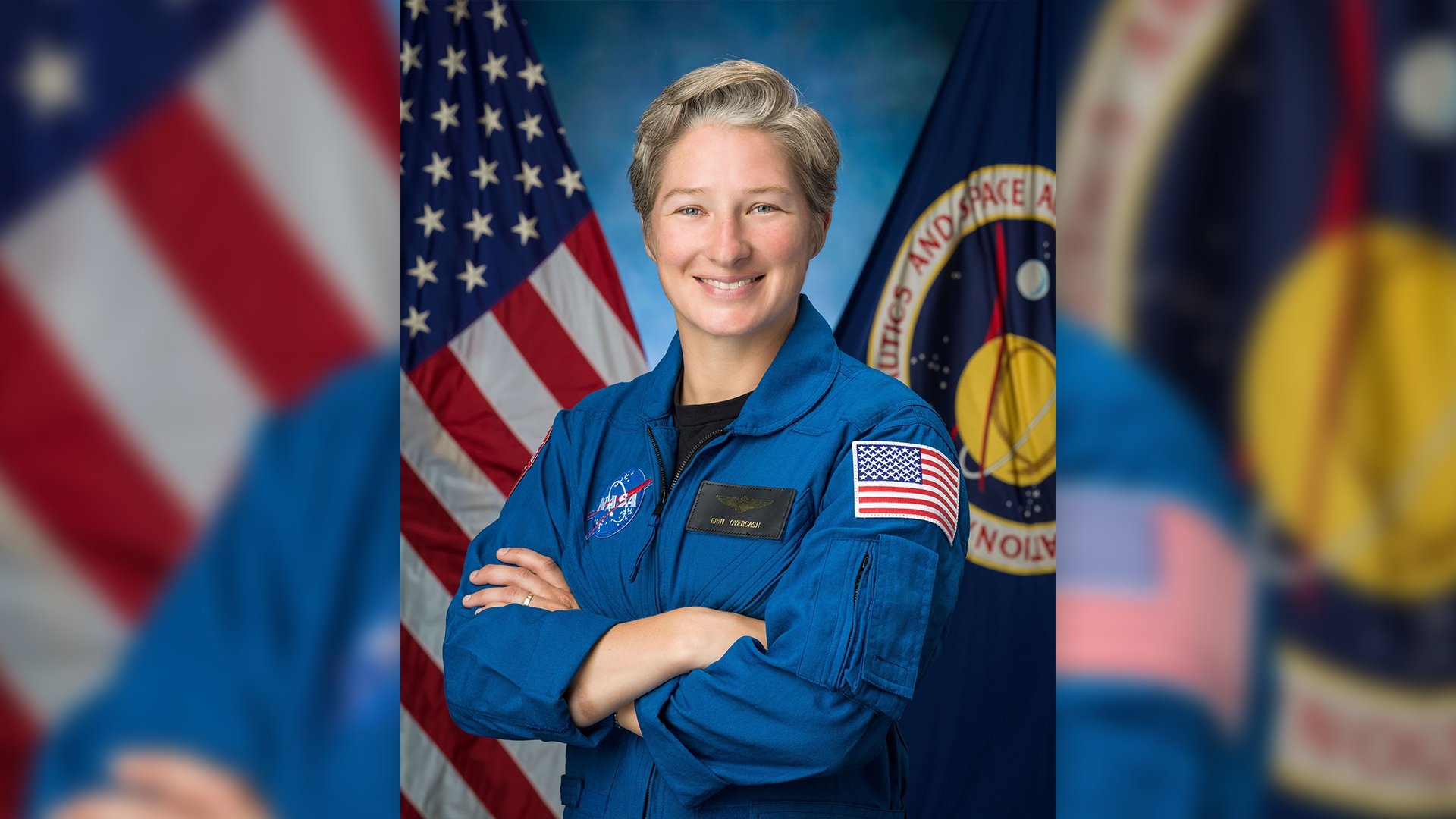
Astronaut candidate Erin Overcash. Credit: NASA.
We say the Frazier Kentucky History Museum is where the world meets Kentucky. We may need to broaden those horizons just a bit thanks to US Navy Lt. Commander Erin Overcash from Goshen, Oldham County.
She is among the ten new astronaut candidates introduced by NASA, who were chosen out of more than 8,000 applicants.
She’ll spend two years training before becoming eligible for space flight assignments that could include missions to the Moon and Mars.
Overcash graduated from North Oldham High School and attended the University of Colorado, Boulder, receiving a bachelor’s degree in aerospace engineering and a master’s degree in bioastronautics.
Oldham County and the entire state of Kentucky are beaming with pride!
As one person in her hometown was quoted as saying: “Go, Erin, to infinity and beyond.”
This marks the first time women have outnumbered men in an incoming astronaut class.
Rachel Platt
VP of Mission
Fall is FINALLY here! This means brisk weather, the smell of burning wood, changing colors, hot cider, and festivals galore. The two festivals I am highlighting this week are based on local histories and traditions related to autumn, and as such, should have you feeling the season proper. Pumpkin spice is optional, of course.
And don’t forget: you can learn more about Kentucky’s local traditions in the Frazier’s 120: Cool KY Counties exhibit.
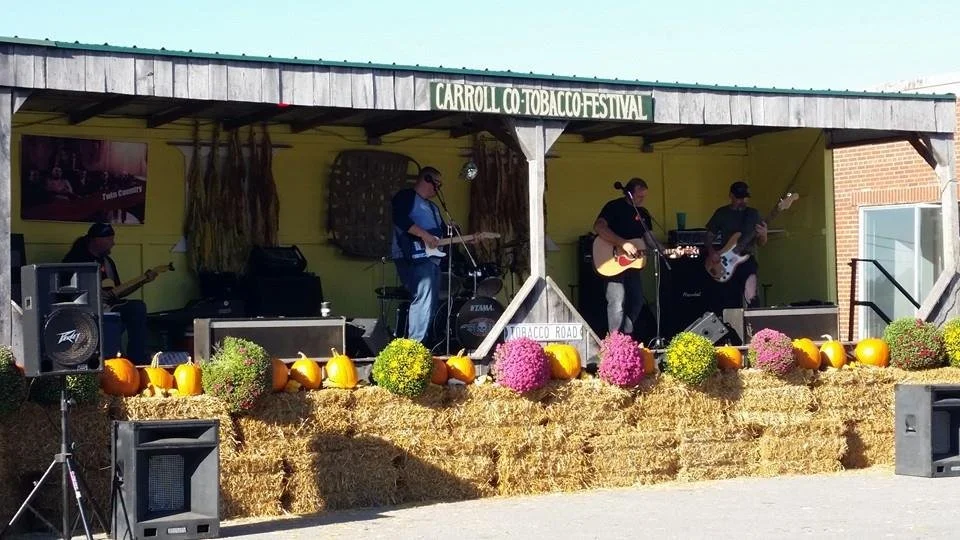
A musical artist performs at the Tobacco Festival in Carrollton, Carroll County, Kentucky.
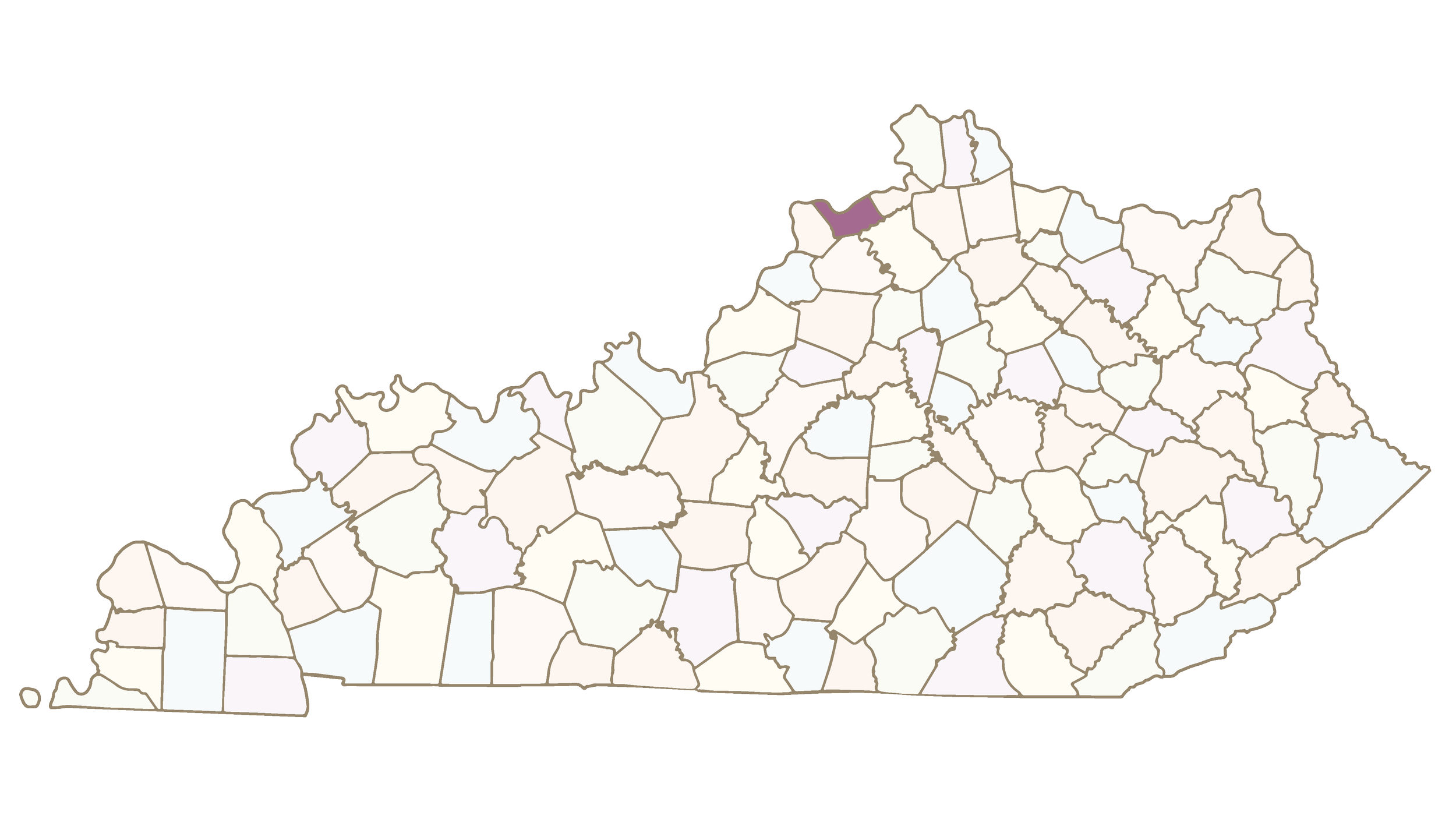
Map of Kentucky with Carroll County highlighted.
Carroll County’s Tobacco Festival (October 3–4, 2025)
No doubt many of our rural readers are quite familiar with the smell of drying tobacco. Having spent my teen years in neighboring Trimble County, I fondly remember the distinct aroma of drying tobacco hanging from our barn’s rafters. More than anything, it signaled the start of fall and all the magic that brings—family, friends, a holiday blitz, too much food, and, yes, festivals. And since tobacco farming plays such a crucial role in Kentucky’s history and heritage, I can think of no better festival to usher in October than Carroll County’s Tobacco Festival.
Held on Main Street in downtown Carrollton, the long-running festival is now in its seventy-eighth year. The small, unassuming town on the banks of the Ohio River is the perfect place to celebrate the aromatic crop, having once been one of the leading producers of burley tobacco in Kentucky. Carrollton was also once home to the second-largest burley tobacco market in the world, boasting an abundance of warehouses, soaring employment numbers, and a strong local economy.
Though local tobacco production is no longer at its peak, it will always be a huge part of Carroll County’s rich heritage. Indeed, festival director Ernest Welch Jr. credits the crop for helping build Carrollton itself. Intrigued? Come see for yourself this weekend! There is everything under the sun to entertain kids ages one to one hundred: live music, food vendors, arts and crafts, raffles and silent auctions, pageants and singing contests, wrasslin’, and a Saturday parade at 1 p.m. What better way to spend the first weekend in October!

Children observe the race at the Woolly Worm Festival in Beattyville, Lee County, Kentucky.
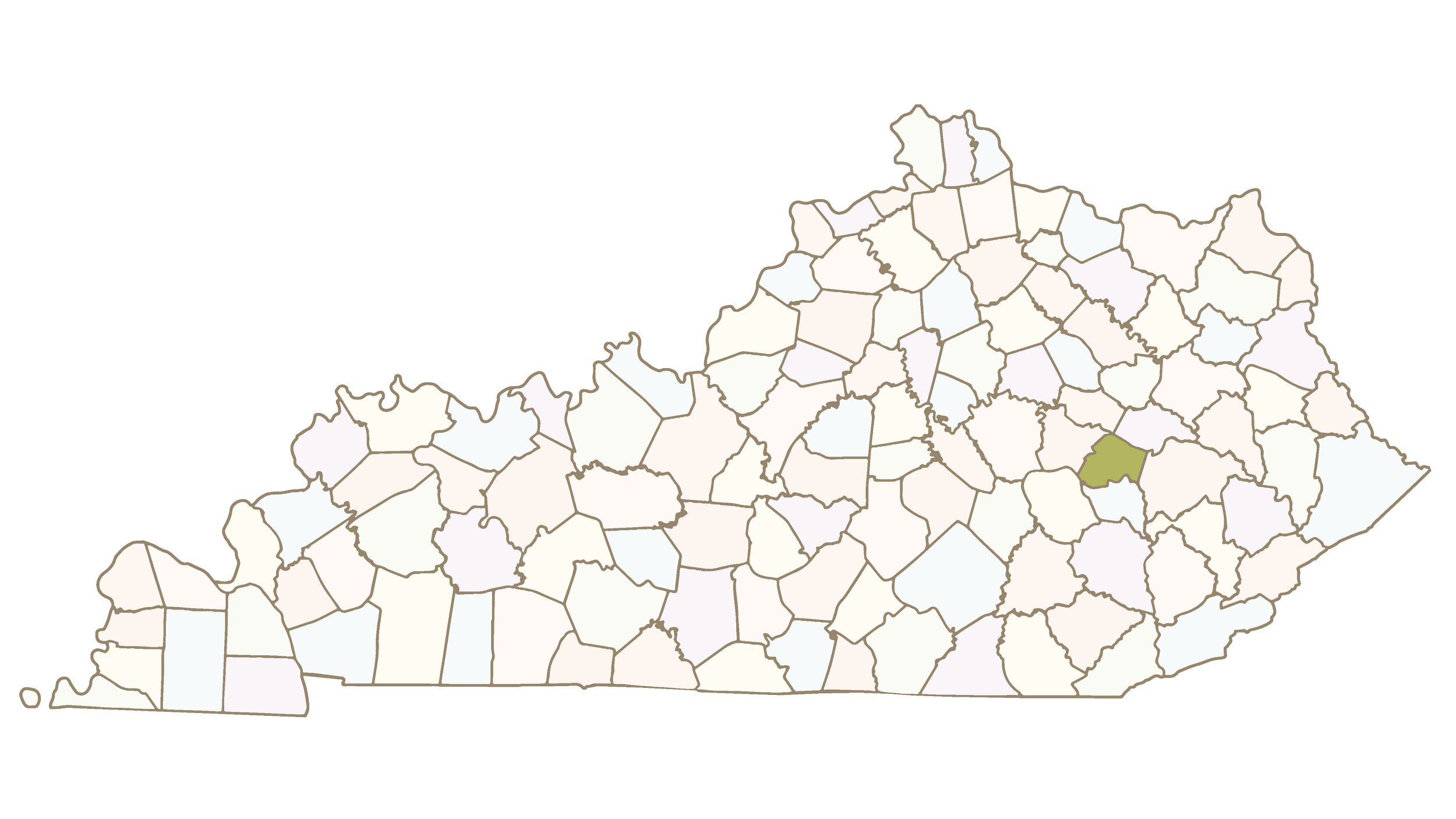
Map of Kentucky with Lee County highlighted.
Lee County’s Woolly Worm Festival (October 24–26, 2025)
During your life’s journey, you may have spotted that red and black caterpillar more commonly referred to as a “woolly worm.” Found throughout the US, they are anything but rare. It has long been said that one can predict the coming winter season by noting the color of its thirteen segments, each corresponding with a week in winter. If a segment is light brown, a mild week is to be expected. A black segment, however, foreshadows severe weather, with farmers traditionally planning their harvests and woodcutting accordingly.
The fine residents of Lee County are certainly no strangers to these cute little guys. In fact, local farmers have historically relied on their unique color patterns to manage their crops. The Woolly Worm Festival was created in 1988 to honor this long-standing tradition and was soon a massive success. The festival now brings in over 100,000 attendees annually to Beattyville—a staggering achievement for a small town of approximately 1,500 people. This year’s thirty-eighth annual festival should see even more visitors, as people travel from all over to enjoy the weekend’s festivities.
Perhaps the most fascinating events taking place are the woolly worm races. Participants are first tasked with locating their own woolly worms (Banded Woolly Bears only!), finding them on places such as wood piles, leaves, and outdoor furniture. Organizers provide instructions on how to properly care for your woolly worm before the big race, while also asking that the worms be released back into the wild once the competition ends. (Very considerate, if you ask me.) That said, if worms racing up string is not your thing, then you are still in luck! Other festival activities include a cornhole tournament, a pet show (with awards given to cutest kitten, the prettiest puppy, and the most impressive trick), a car show, a Sunday parade, live music and performances, arts and crafts, local authors, plenty of food, and over a hundred vendors. I hope to see you in Beattyville the weekend of October 24–26 for a creepy-crawly good time!

Jason Berkowitz
Engagement Specialist
On the Trail with Abby: Casey Jones Distillery in Hopkinsville

On the Trail with Abby graphic.
Bourbon tourism is booming—and the Kentucky Bourbon Trail® is growing faster than ever! Each week, the Frazier’s Abby Flanders takes readers on a digital stop-by-stop tour of this expanding adventure, spotlighting the distilleries, stories, and expressions behind America’s native spirit. Ready to hit the trail in real life? Start your journey at the Frazier History Museum, the Official Starting Point of the Kentucky Bourbon Trail®.
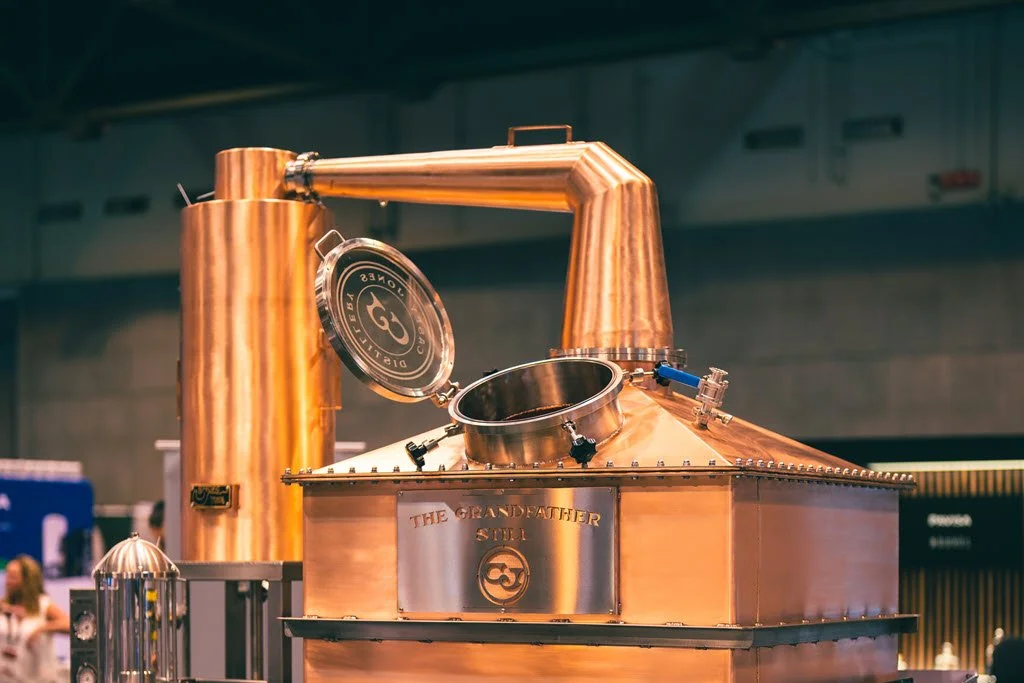
A 150-gallon pot still called “the Grandfather” at Casey Jones Distillery in Hopkinsville, Christian County, Kentucky.
Casey Jones wasn’t a distiller himself, but rather a legendary maker of copper stills in Golden Pond, Kentucky, during the days when moonshiners thrived in the shadows of Prohibition. Known for his signature square design and meticulous attention to detail, Casey built stills that ran cleaner, faster, and better than the rest. Most stills are rounded, but Casey’s squared-off pot stills had a distinct advantage. The flat sides, complete with handles, made them easier to transport and hide!
Fast forward to today, and his legacy lives on through Casey Jones Distillery, founded by his grandson, Arlon “AJ” Jones, and AJ’s partner, Peg Hays. Here, family tradition comes out of the holler and into the sunlight, producing Bourbon and moonshine with the same commitment to quality that made Casey’s original stills legendary. The distillery even operates the world’s only industrial-grade square pot still called “The Grandfather,” designed to honor Casey’s original stills.
Visiting the distillery is as much about history as it is about hospitality. Surrounded by green farmland, the property offers a welcoming, family-friendly (and pet-friendly!) atmosphere with guided tours, tastings, and live music events. Their line of spirits ranges from smooth Bourbon to classic Kentucky moonshine. If you’re nearby, check out their Booze and Boos bottle release on November 1.
Whether you are curious about Prohibition roots or just searching for some Kentucky Bourbon and moonshine, Casey Jones Distillery is a stop on the Kentucky Bourbon Trail® you don’t want to miss.

Abby Flanders
Administrative Chief of Engagement
Join Kentucky to the World for Echoes of Life: Lessons from the Dying Brain
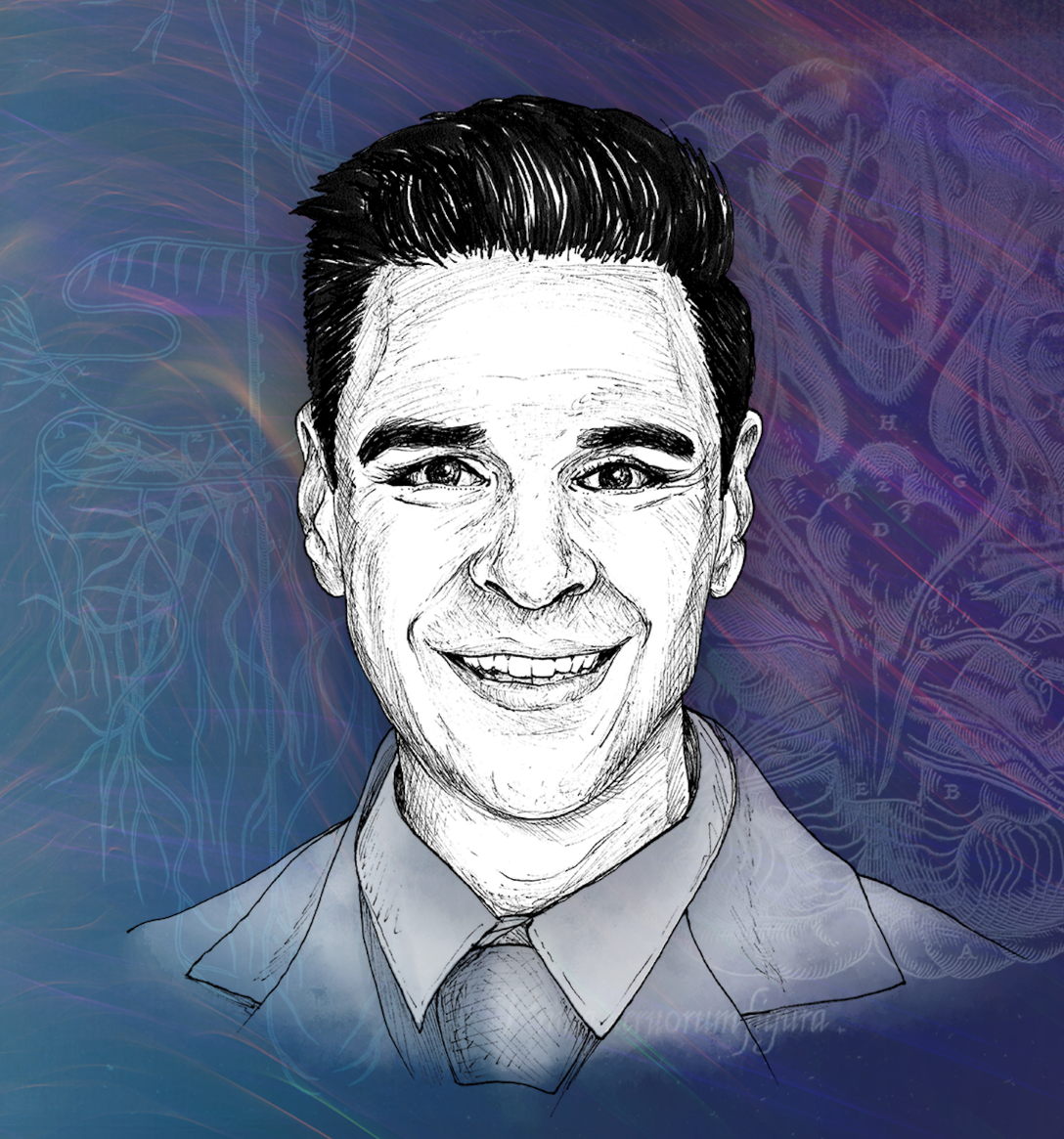
Illustration of Dr. Ajmal Zemmar. Credit: Kentucky to the World.
We value our partnership with Kentucky to the World and its impactful programming. Their upcoming focus on the dying brain is particularly fascinating, with the research happening right here in Louisville. In those final moments, do you relive your entire life in just seconds—something called life recall? And what else happens to the brain just before and after death? Keep reading to learn how you can attend an upcoming program with a world-renowned neuroscientist.—Rachel Platt, VP of Mission
Join Kentucky to the World for an evening with Dr. Ajmal Zemmar, a world-renowned neurosurgeon and neuroscientist whose groundbreaking research is happening right here in Kentucky. Hear his insights on what happens in the brain at the edge of life and what it can teach us about consciousness and human potential.
Echoes of Life: Lessons from the Dying Brain
October 16, 2025
Kentucky Science Center, Louisville
· Student Program (Free for Students!), 5 p.m. Inspiring the next generation with a message of resilience, curiosity, and possibility.
· Public Program, 6:30 p.m. A live conversation with Dr. Zemmar and science writer Jenni Laidman.
Reserve your spot today via the student registration form or the main event ticket page. Registration closes October 8.
Kentucky to the World
Guest Contributor
History All Around Us
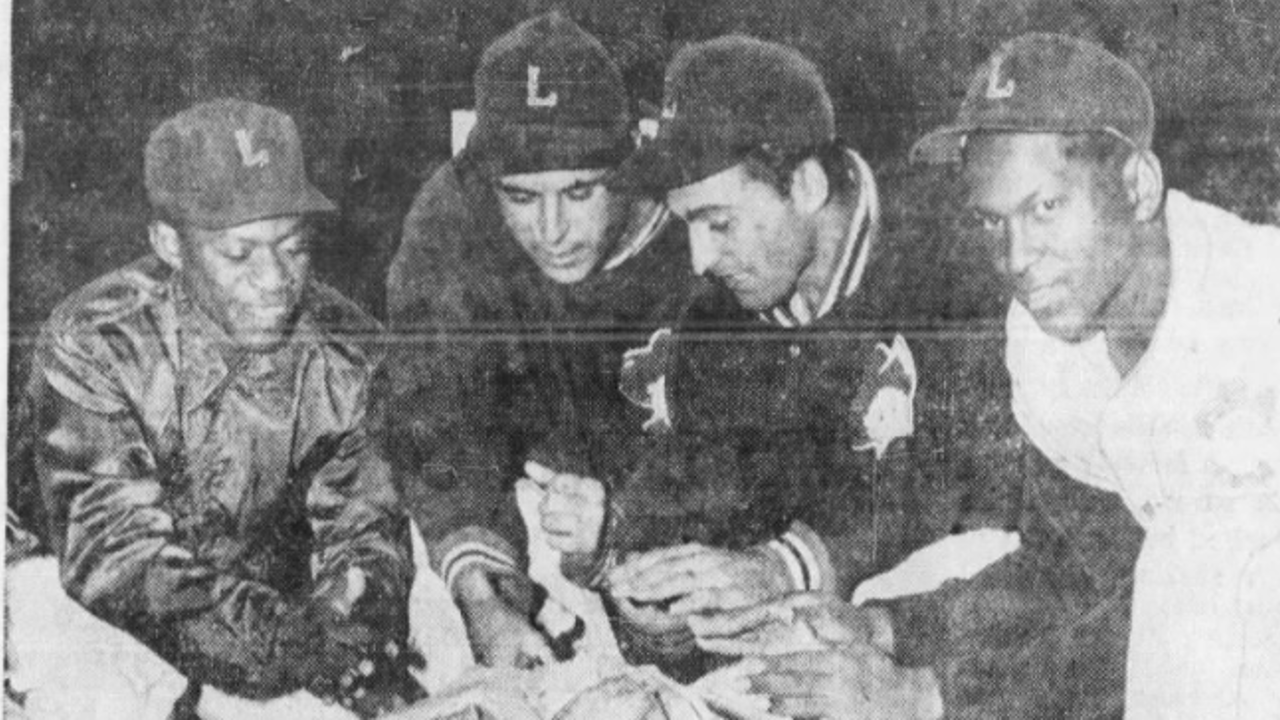
A group of the Cuban Colonels trying to stay warm before a frigid game on April 18, 1956. Originally published in the April 19, 1956, issue of the Courier Journal.
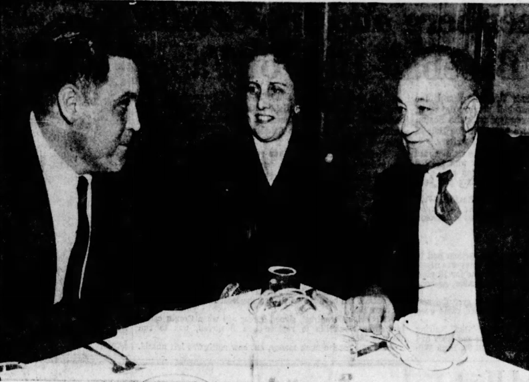
Joe Cambria (far right) enjoys a chat with Mr. and Mrs. Gonzalo Vega, members of the new Louisville Colonels ownership group. Mrs. Vega did not speak English, but she looks entertained by the conversation. Originally published in the January 26, 1956, issue of the Courier Journal.
Happy Hispanic Heritage Month! The month runs September 15 to October 15. To celebrate, we’ve asked guest contributor Chris Betsch to shine a light on an interesting moment in Hispanic history and Kentucky history: the 1956 integration of the Louisville Colonels baseball team. Chris is the head of the Louisville-based Pee Wee Reese Chapter of SABR (Society for American Baseball Research). A version of this article previously appeared in the SABR publication under the title “When Minor League Baseball Almost Went Bust: 1946-1963.”—Simon Meiners, Communications & Research Specialist
When Elijah “Pumpsie” Green made his debut for the Boston Red Sox in 1959, the American League team became the last of the original sixteen major-league clubs to cross the color line, twelve years after Jackie Robinson and the Dodgers broke the major-league color barrier. The Louisville Colonels of the American Association were a longtime minor league farm team for the Red Sox, and thus were also well behind other teams in breaking through the color barrier. It took a new kind of ownership group, headed by baseball pioneer Joe Cambria, to push the Southern-based team through it.
Tom Yawkey, the longtime owner of the Boston Red Sox, was also the owner of the Louisville Colonels beginning in 1938. In November 1955, Yawkey and Louisville parted ways after nearly twenty years together. When the Colonels were put up for sale, there was immediate interest from Joe Cambria, a longtime baseball businessman, minor-league team owner, and renowned talent evaluator. After a short career as a player and manager in the minor leagues, Cambria progressed to running his own teams. In the 1930s, Cambria reached a working agreement with the Washington Senators (who later became the Minnesota Twins) to sell players he signed and developed on his clubs. Players signed by Cambria who went on to play for the Senators included All-Stars Mickey Vernon, George Case, and Eddie Yost. But Cambria was better known for being one of the earliest and most prolific scouts in Latin America. Cambria signed hundreds of ballplayers from Cuba, Venezuela, and other Latin American countries and funneled them into the Washington farm system. Hall of Famer Tony Oliva and pitchers Camilo Pascual and Connie Marrero were some of his most successful Latin signees.
Since the 1930s, Cambria had focused his scouting on Cuba and spent several months each year living in the country. He developed many business ties there, and on hearing the Colonels were up for sale, he assembled a team of Cuban businessmen to make a bid. His group included sugar broker Victor Menocal (nephew of former Cuban President Mario Menocal), sugar planter Louis Mendoza, and Mendoza’s associate Gonzalo de la Vega.
Like many Cubans, Cambria’s business partners were enthusiastic baseball fans. With money to spend, they were eager for a chance to run a baseball organization. Given that no Cuban Winter League teams were available for purchase, the group sought ownership opportunities in the United States. The Louisville Colonels seemed the ideal answer for all parties involved: The Cubans would get their own team to run, and Cambria would have another location to stash more of his scouting finds.
The Cuban consortium’s acquisition of the Colonels was made official on January 6, 1956. On January 9, the news followed that the Colonels would be integrated not only on the field but also in the stands at Louisville’s Parkway Field. The story made the front page of the Louisville papers as “custom-shattering,” but the city should have expected these changes. Several teams farther south had already integrated before 1956, and Louisville was the only club in the American Association that had not yet employed Black players.
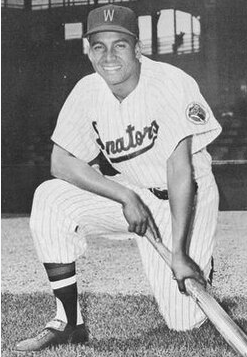
Julio Becquer.
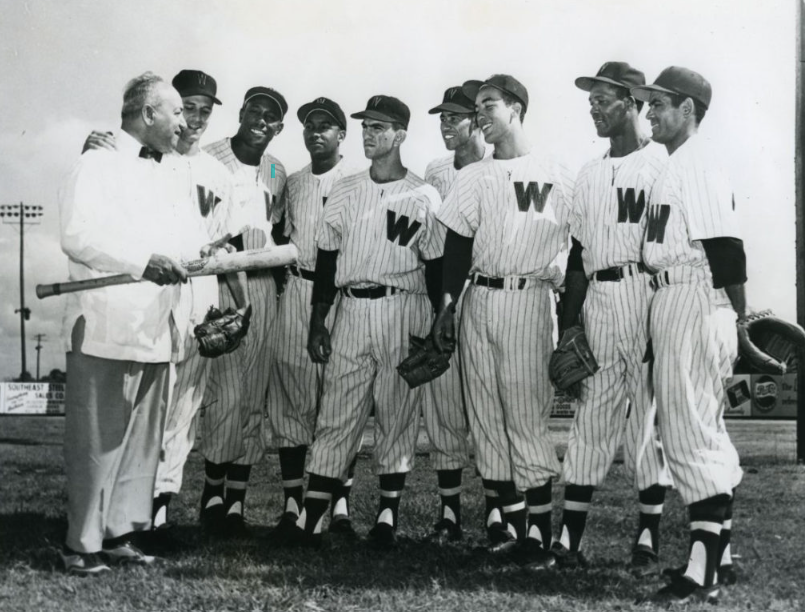
Joe Cambria with a handful of the players he signed for the Washington Senators.
Also announced was the official affiliation agreement with the Washington Senators, who would also help supply Louisville with players for the coming season. The 1956 Colonels would include several current Washington minor league players, along with some of Cambria’s Latin signees. Ballplayers of Latin American descent were not altogether new to Louisville. As early as the 1910s, Louisville rosters had included Latin players, as long as they were considered light-skinned enough to be accepted as White, such as Cubans Dolf Luque from 1916 to 1918 and Merito Acosta from 1919 to 1928. But Louisville had not filled its rosters with Latin players to the degree that Cambria would. As many as sixteen Latin players wore a Colonels uniform during the 1956 season. To help Louisville manager Red Marion and the coaching staff work with the Latin players and deal with the language barrier, Cambria brought in Oscar Rodriguez to be one of the Colonels’ coaches. Rodriguez was a Cuban native who for several years had coached and managed teams in the minor leagues and the Cuban Winter League.
While the new ownership group did not bring in African American players, some of the Latin American players were dark skinned and were effectively the first players to integrate the team. After the Colonels’ Opening Day game on April 17, the Louisville Courier Journal wrote with little fanfare that Oleon Castro became “the first Negro ever to wear Louisville livery.” His name was actually Julian Castro, but he was misidentified in newspaper reports as Oleon throughout his time with the team. Though Louisville had employed Latin players over the years, foreign players were still very—for lack of a better word—foreign to Kentuckians in the 1950s. Castro entered the Opening Day game in the ninth inning to pinch-hit for pitcher Tony Ponce and grounded out in his debut. Castro’s appearance was only briefly mentioned in the next day’s Courier Journal game account, and not at all mentioned in newspapers outside the city.
Any Courier Journal sportswriters present at the game must have failed to notice that the Colonels’ starting first baseman, Julio Becquer, was also dark-skinned. So how was it possible for the writers not to notice that the Colonels’ first baseman for the entire game was Black? For one thing, with the frigid conditions that evening, writers may not have even been watching the game. They may have been huddled up somewhere warmer in the confines of Parkway Field (or even away from the ballpark), perhaps being fed information of the game action from someone in attendance. And Becquer had been a very late addition to the Colonels’ roster after he was transferred from the Chattanooga Lookouts, another of Washington’s minor-league affiliates. He had not made it to Louisville in time to be included in team photos before the season opener, so if writers were not at the game, they would have no idea what he looked like. It was Julio Becquer who broke the color barrier for the Louisville Colonels.
A native of Havana, Becquer had been in Washington’s minor-league system since 1952 and made his major-league debut in 1955, appearing in ten games with the Senators. Most of the Latin players who suited up for Louisville in 1956 would ultimately be reassigned to lower minor-league teams or get released after short trials, but Becquer contributed to the Colonels as a left-handed power bat all season. He hit fifteen home runs and led the team in games played, most of them at first base. When the team was in dire need of fielders on the other side of the infield, he was inserted as a left-handed-throwing third baseman. Becquer would return to the major leagues in 1957 and would play parts of six more seasons for the Senators, the Los Angeles Angels, and the Minnesota Twins.
The 1956 season ended up being disastrous for the Colonels. After seeing attendance figures near 140,000 for the previous two seasons, fewer than 80,000 fans showed up to see the Colonels in 1956. Poor weather and a bad radio contract were among the reasons cited for the lack of fan attendance. Though not specifically mentioned in newspapers, it is also conceivable that some fans in Louisville simply turned their backs on the Latin-heavy team and the newly integrated park arrangements.
On June 1, the Colonels had a .500 record and sat in fourth place in the eight-team American Association. From there, the team’s season went into a tailspin. Tom Yawkey had been less concerned with losing money in Louisville if the team developed players for the Red Sox, but the new Cuban owners wanted to turn a profit or at least break even. As fans stayed away from Parkway Field, the team’s debt started mounting. In response, the team sold off several top players, which resulted in more losses and less fan interest, and the team sank even further into debt. At the end of the season, Louisville found itself in last place in the American Association for the first time since 1948 and had its lowest attendance in nearly twenty years.
There was talk that Cambria and the Cubans would sell the Colonels for the right price, but there was also speculation that the group might move the team out of Louisville. The American Association bought out control of the Colonels after the season, quashing the possibility of Cambria relocating the team. The Colonels were then handed over to the city to be run as a nonprofit foundation. With Cambria no longer in the mix, the team’s agreement with Washington was discontinued, and the Colonels were left unaffiliated for the upcoming season (they would join up with the Baltimore Orioles for a season in 1958 before starting a working agreement with the Milwaukee Braves in 1959).
While the Colonels no longer had the Washington Senators supplying players, the door had finally opened for Louisville to add African Americans to the team. And though the arrangement between the Colonels, Joe Cambria, and the Cubans, was short-lived and a failure financially, it pushed change that was long overdue in Louisville—the integration of the Louisville Colonels and Parkway Field.
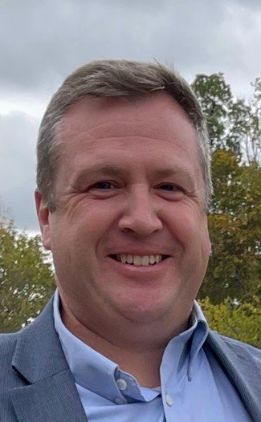
Chris Betsch
Member, Louisville Chapter of the Society for American Baseball Research (SABR)
Guest Contributor