Give for Good Louisville, Last Call for Joe Guyon, Capturing Kentucky Panel Discussion, and More

This week is Give for Good Louisville, and I’d like to kick things off by asking: why do you love the Frazier?
Maybe you believe that history museums are essential places where we come together to learn, reflect, and connect. Maybe you’ve seen the spark in a child’s eyes during a school tour or felt a personal connection in an exhibition or program. Each of us has a Frazier story, a moment of inspiration—and that story can inspire someone else to give.
Give for Good Louisville is this Thursday, September 18, and early giving begins at midnight tonight, September 15. This is our city’s biggest day of community giving, and we’re asking for your help to make the Frazier’s campaign a success!
Our goal is simple but powerful: reach as many people as possible. This campaign isn’t just about dollars raised—it’s about awareness, participation, and community pride. Every gift, no matter the size, tells the story that the Frazier matters.
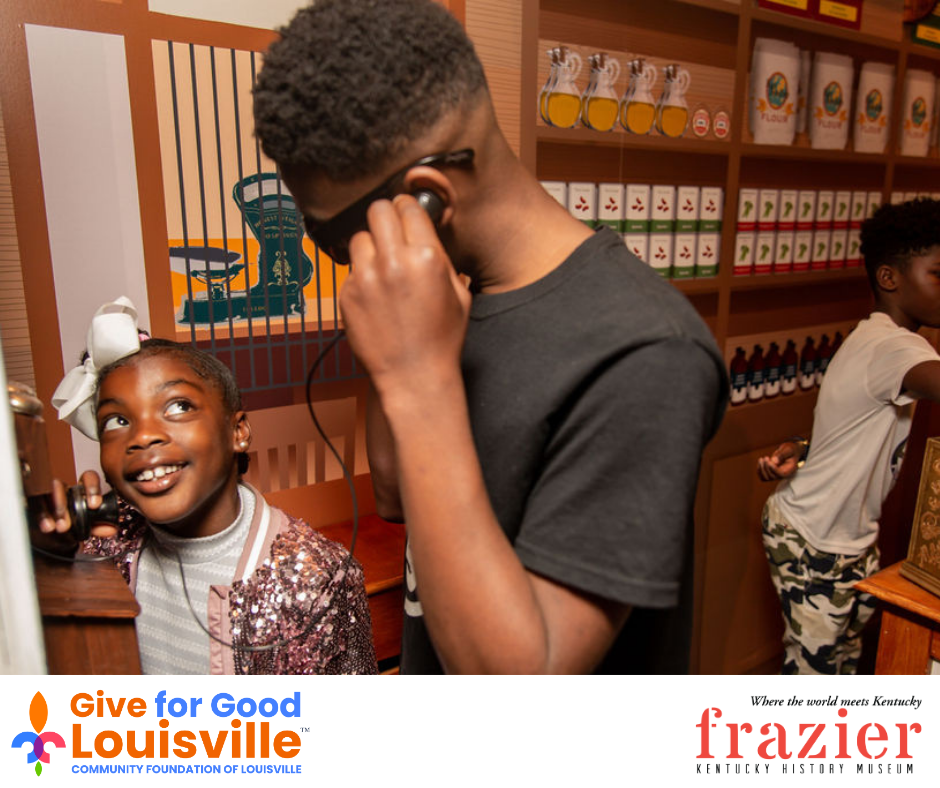
2025 Give for Good Louisville graphic.
“My group and I learned so much about history, and we all know that our next social studies test will come back graded with a giant A+!”—Fifth-Grade Student
This year’s campaign theme, Lifelong Learning: The History We Share, celebrates the Frazier’s role in preserving Kentucky’s past and making it accessible to all ages, from classrooms to senior care facilities.
Here’s how you can make an impact:
· Give today at https://www.giveforgoodlouisville.org/organization/frazier-history-museum
· Share the link with your friends and family
· Tell your Frazier story on social media to spread the word
Together, we can grow our community of supporters, celebrate lifelong learning, and keep Kentucky’s history alive for generations to come.
As our President and CEO Andy Treinen says in the following video: “Learn from the past and invest in the future here at the Frazier.”
In today’s Frazier Weekly, Rachel Platt issues a last call for tomorrow’s program on Louisville sports legends Joe Guyon. Photographers Ted Wathen and Bob Hower announce a panel discussion on their Documenting Kentucky exhibition. Mick Sullivan previews the next Step into History walking tour. Attorney Elizabeth McConahy Jenkins looks at postnuptial agreements as part of our Davis Jewelers’ Love & Marriage exhibition. And Jason Berkowitz recaps his summer with a cultural heritage program in Greece.
Thank you for being part of our story—and for helping us inspire others to join in on September 18!

Hayley Harlow
Sr. Manager of Fundraising
Frazier Kentucky History Museum
This Week in the Museum
Last Call for Louisville’s Forgotten Sports Hero Program

Joe Guyon speaks during his Pro Football Hall of Fame induction ceremony, 1966.
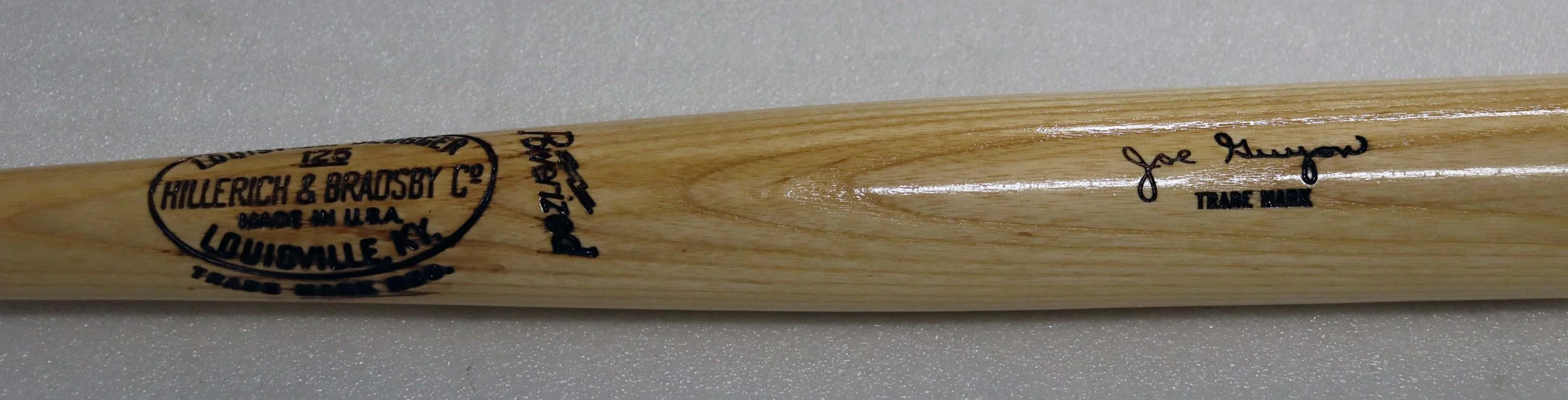
A Louisville Slugger baseball bat that bears Joe Guyon’s signature.
When Joe Guyon was inducted into the Pro Football Hall of Fame in 1966, he wanted a former gridiron opponent to give his induction speech. His request was Army halfback Dwight Eisenhower. Unfortunately, the former President’s medical doctors wouldn’t clear him for the trip.
That is just one of many incredible stories about the life of Joe Guyon, who has deep connections to Louisville and is buried here.
On Tuesday, family members from throughout the country will travel to Louisville for this special program to honor him at the Frazier History Museum. You’re invited as well to learn about what we call one of the greatest sports stories you’ve never heard. The program is free thanks to the generosity of St. X High School where Guyon coached football.
Guyon, along with his close friend Jim Thorpe, were both Native Americans and gained their first notoriety playing football at the Carlisle Industrial School in Pennsylvania.
Both would have legendary sports careers, with Guyon also playing baseball for the Louisville Colonels. The Louisville Encyclopedia says he was “unquestionably the greatest all-around athlete ever to play Louisville baseball.” Louisville Slugger Museum and Factory has loaned the Frazier a bat with Guyon’s signature to be included as part of our Cool Kentucky exhibition featuring him.
Louisville Slugger will have a special presentation to the Guyon family on Tuesday, with local attorney Greg King sharing his research on the famed athlete. Greg Galiette from the Louisville Bats will also join us to talk about special recognition of Guyon during their game on Wednesday afternoon.
We have some other special surprises as we share Joe Guyon’s story, a story we think is pretty special. Click here to reserve your seat on Tuesday night to the free program.

Rachel Platt
VP of Mission
Capturing Kentucky: What Does it Mean to Document a Place?

Capturing Kentucky flyer.
If you haven’t yet toured the Documenting Kentucky photography exhibition on the third floor of the Frazier, there’s no time like the present. It features 150 photographs captured from throughout the communities of the Commonwealth, spanning 1935 to 2024. Five of the photographers whose work is featured will lead a panel discussion on their work in the exhibition on October 22. Admission is $10. We’ve asked co-curators Ted Wathen and Bob Hower to shed light on the program.—Simon Meiners, Communications & Research Specialist
The Frazier Kentucky History Museum will present a special panel discussion, Capturing Kentucky: What Does It Mean to Document a Place?, on Wednesday, October 22, at 7 p.m., as part of programming for the Louisville Photo Biennial and the museum’s current exhibition Documenting Kentucky: Three Photographic Surveys. The event will bring together a distinguished group of photographers whose work spans generations, styles, and approaches to telling Kentucky’s story through the camera lens.
Moderated by Tom Rankin, professor, photographer, folklorist, and former director of the Center for Documentary Studies at Duke University, the discussion will explore how photography shapes our understanding of place, community, and history. Panelists will reflect on their own practices as well as the larger challenges and responsibilities of documenting Kentucky.
The panel will feature five accomplished photographers:
· Ted Wathen and Bob Hower, photographers on the first Kentucky Documentary Photographic Project (KDPP) 1975–77 and co-founders of the relaunched KDPP in 2015, surveys that have become landmarks in capturing the state’s people and landscapes.
· Jon Cherry, a contemporary photojournalist and Pulitzer Prize winner, whose work has chronicled social and political movements in Kentucky and beyond.
· Michael Swensen, Hearst Photojournalist of the year; a visual storyteller documenting current events with a focus on community resilience and identity.
· Brittany Greeson, Groundtruth Fellow and twice Michigan Photojournalist of the Year; a documentary photographer whose projects often highlight the intersections of place, memory, and social change.
Together, these voices will offer a rare intergenerational dialogue on the art and responsibility of visual storytelling. The conversation complements Documenting Kentucky: Three Photographic Surveys, now on view at the Frazier, which features selections from the Kentucky Documentary Photographic Project (1975–77), the Kentucky Documentary Photographic Project (2015–24), and the Farm Security Administration (1935–43).

Ted Wathen and Bob Hower
Founders and Codirectors, Kentucky Documentary Photographic Project
Guest Contributors
Step into History with Us this Thursday, September 18!

Step into History Walking Tours graphic.
This Thursday, September 18, from 10:30 to 11:45 a.m., I will lead our next Step into History walking tour! Spots are limited and filling up, but there’s still time to sign up. Join us for a nice walk along historic West Main Street! From former businesses and old buildings to places that are long gone, we’ll see some highlights and consider some of the places where history was made.
PS: If you try to sign up but all the spots are filled, don’t worry! We’re offering two more walking tours next month: one on Thursday, October 16, and one on Thursday, October 23.

Mick Sullivan
Curator of Guest Experience
Louisville Named a Unique Bachelorette Party Destination
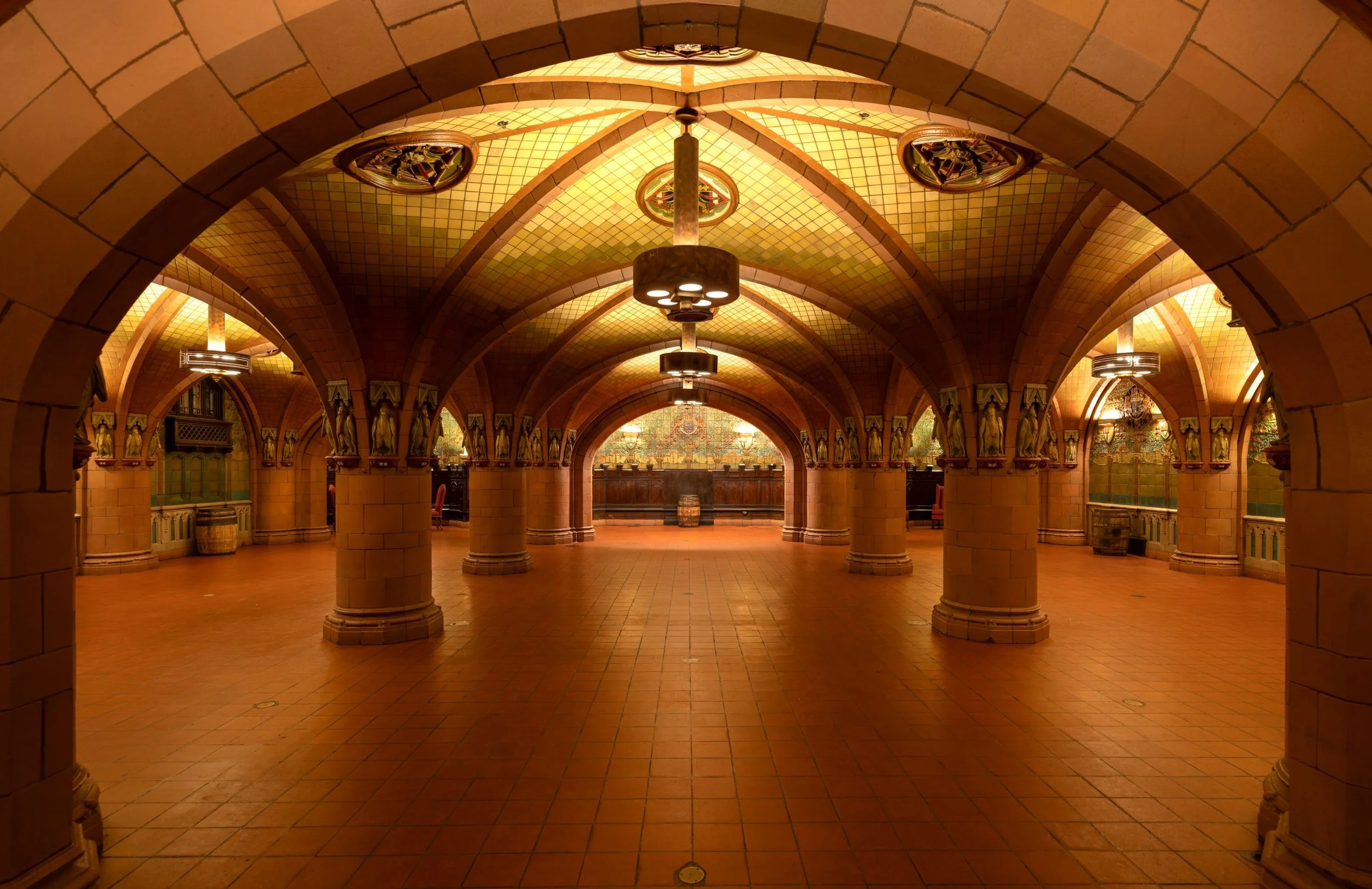
Interior of the Seelbach Hotel in Louisville, 2025. Credit: Tim Furlong Jr.
As we continue to celebrate happily ever after here at the Frazier with our Davis Jewelers’ Love & Marriage exhibition, did you know Louisville is a unique destination for bachelorettes?
Yes, it’s also popular with bachelors thanks to the Kentucky Bourbon Trail®—but for bachelorettes it’s all about The Great Gatsby celebrating its one hundredth anniversary.
Earlier this year, a featured article in Good Housekeeping ranked Louisville as one of those unique spots because, in part, you can book the hotel where Tom and Daisy tied the knot. The Seelbach Hilton is leaning into the connection in all sorts of ways. Click here to learn more.
The Frazier of course is your destination for our wonderful exhibition that celebrates love featuring wedding dresses through the decades. In addition to Davis Jewelers, another sponsor is Jenkins and Wheatley Family Law. Saying “I do” is a lot of responsibility, and Elizabeth Jenkins always has sage advice. Keep reading to learn more about legal protection with a postnuptial agreement.
Rachel Platt
VP of Mission
Postnuptial Agreements: Legal Protection for Life’s Unexpected Turns
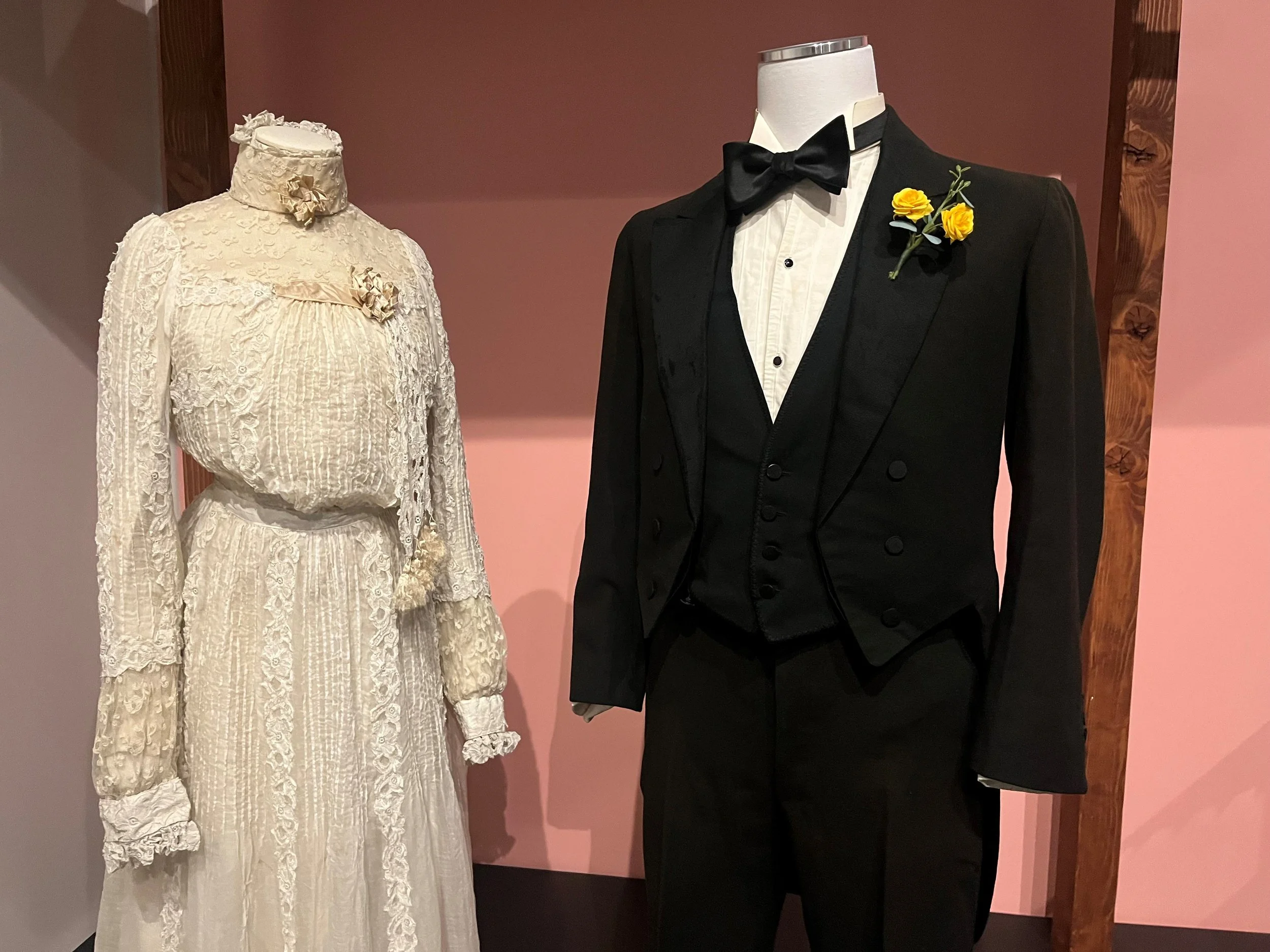
A bride’s wedding dress and a groom’s tuxedo on display in the Frazier’s Davis Jewelers’ Love & Marriage exhibition, September 11, 2025.
When couples exchange vows, they rarely have a perfect vision of their future financial circumstances. Life presents unexpected events. Enter the postnuptial agreement or “postnup.” The postnup is an enforceable legal contract that allows married couples to redefine their property rights and financial responsibilities after they’ve already said “I do.” A postnup allows a couple to create their own enforceable agreement, customized to their lives.
The following are some of the common situations where a postnup can provide clarity and utility: a business owner may want to shield their spouse and family home from commercial liability while ensuring their spouse shares in their success. A spouse may inherit substantial family wealth and want to honor both their legacy obligations and their marital partnership. High-asset couples often employ postnuptial agreements when one spouse’s career experiences dramatic growth, such as a physician completing residency or an executive receiving significant stock options. Finally, couples working through marital difficulties may use these agreements as part of reconciliation efforts, establishing clear financial boundaries and expectations that can provide stability as they rebuild their relationship.
Clearly, postnups have increasing relevance given the growing financial complexities of the modern world. Kentucky courts have long recognized these agreements as valid contracts, but they face greater scrutiny than their prenuptial counterparts. The reason is straightforward: married couples owe each other fiduciary duties that engaged couples do not yet share.
Several key elements govern postnups in Kentucky. Both spouses must provide complete financial disclosure: hiding assets or debts can void the entire agreement. The terms must be fundamentally fair: courts will not enforce agreements that leave one spouse destitute. Lastly, while not legally mandated, independent legal representation for each spouse provides crucial protection against future challenges based on claims of duress or misunderstanding.
Postnuptial agreements should not be marital therapy disguised as legal documents. Postnups work best when addressing specific financial concerns within stable relationships. The courts recognize that power dynamics and fiduciary duties may be impacted by marital conflict, so postnups agreed to during a period of emotional crises (such as the discovery of an affair) may face an additional layer of scrutiny.
The increased use of postnuptial agreements reflects broader changes in how couples approach marriage and finances in the twenty-first century. As financial lives become more complex and marriages evolve over longer lifespans, postnups offer a practical tool for couples who want to adapt their legal relationship to match their lived reality. When crafted properly, postnups provide not just legal protection but also peace of mind that allows couples to focus on what brought them together in the first place.

Elizabeth McConahy Jenkins
Attorney, Jenkins & Wheatley Family Law
Guest Contributor
Museum Shop: Miss to Mrs. Tumbler
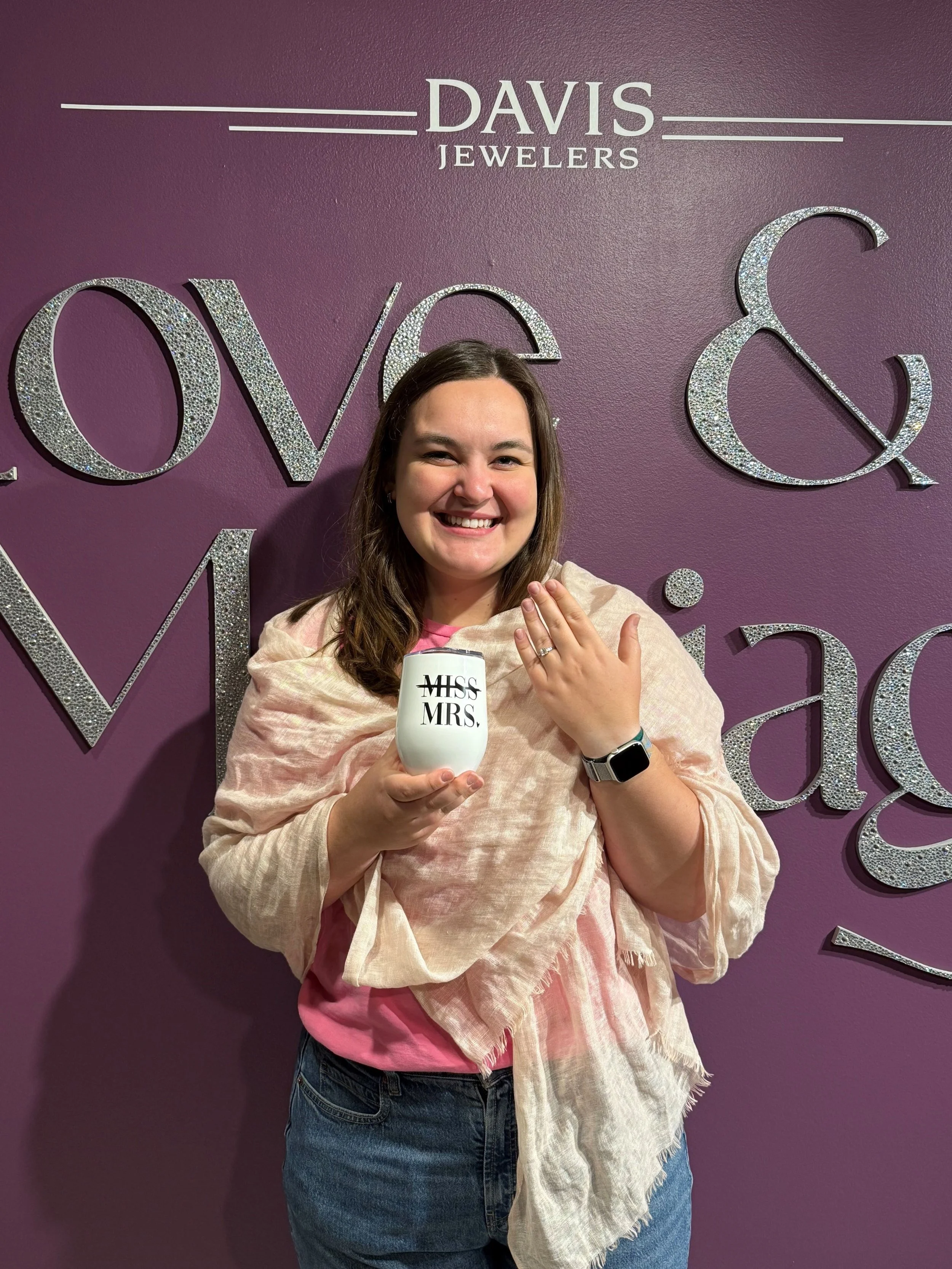
The Frazier’s Abby Flanders models her engagement ring and a Miss to Mrs. tumbler sold in the Frazier’s Museum Shop.
Officially off the market—and onto the tumbler. From “Miss” to “Mrs.,” this stainless steel traveler keeps your drinks just the way you like them: hot, cold, or celebratory. They’re available in the Frazier’s Museum Shop and online.
On the Trail with Abby: Bulleit Distilling in Shelbyville

On the Trail with Abby graphic.
Bourbon tourism is booming—and the Kentucky Bourbon Trail® is growing faster than ever! Each week, the Frazier’s Abby Flanders takes readers on a digital stop-by-stop tour of this expanding adventure, spotlighting the distilleries, stories, and expressions behind America’s native spirit. Ready to hit the trail in real life? Start your journey at the Frazier History Museum, the Official Starting Point of the Kentucky Bourbon Trail®.
When you think of Bourbon, Bulleit might be one of the first names that comes to mind. With its trademark high-rye mash bill and iconic frontier-inspired bottle, Bulleit Bourbon has carved out a reputation as one of the fastest-growing whiskeys and a bartender’s favorite all across the United States.
The Bulleit name dates all the way back to Augustus Bulleit in the 1830s. Little is known about this Bulleit, who, according to legend, loaded up a flat-bottom boat full of Bourbon, headed off to New Orleans, and was never seen again. Since then, with the help of his ancestors, Bulleit has grown into a global force.
If you head to Shelbyville, Kentucky, you’ll find the Bulleit Distilling Co., a state-of-the-art, eco-conscious campus, which opened in 2017. The visitor experience blends modern architecture with Bourbon tradition, offering tours that highlight everything from fermentation to sustainability practices. And, of course, there are tastings, where you can sample the full Bulleit family: try the classic Bourbon and Rye, plus 10-year offerings of each. Recent limited, experimental runs include Bottled-in-Bond and Barrel Strength Bourbons, which still stay true to the signature high-rye mash bill.
Bulleit feels right at home on the Kentucky Bourbon Trail®. It’s a stop that honors tradition while looking ahead! It’s a place where Bulleit’s frontier spirit lives on, one glass at a time.

Abby Flanders
Administrative Chief of Engagement
Bridging the Divide
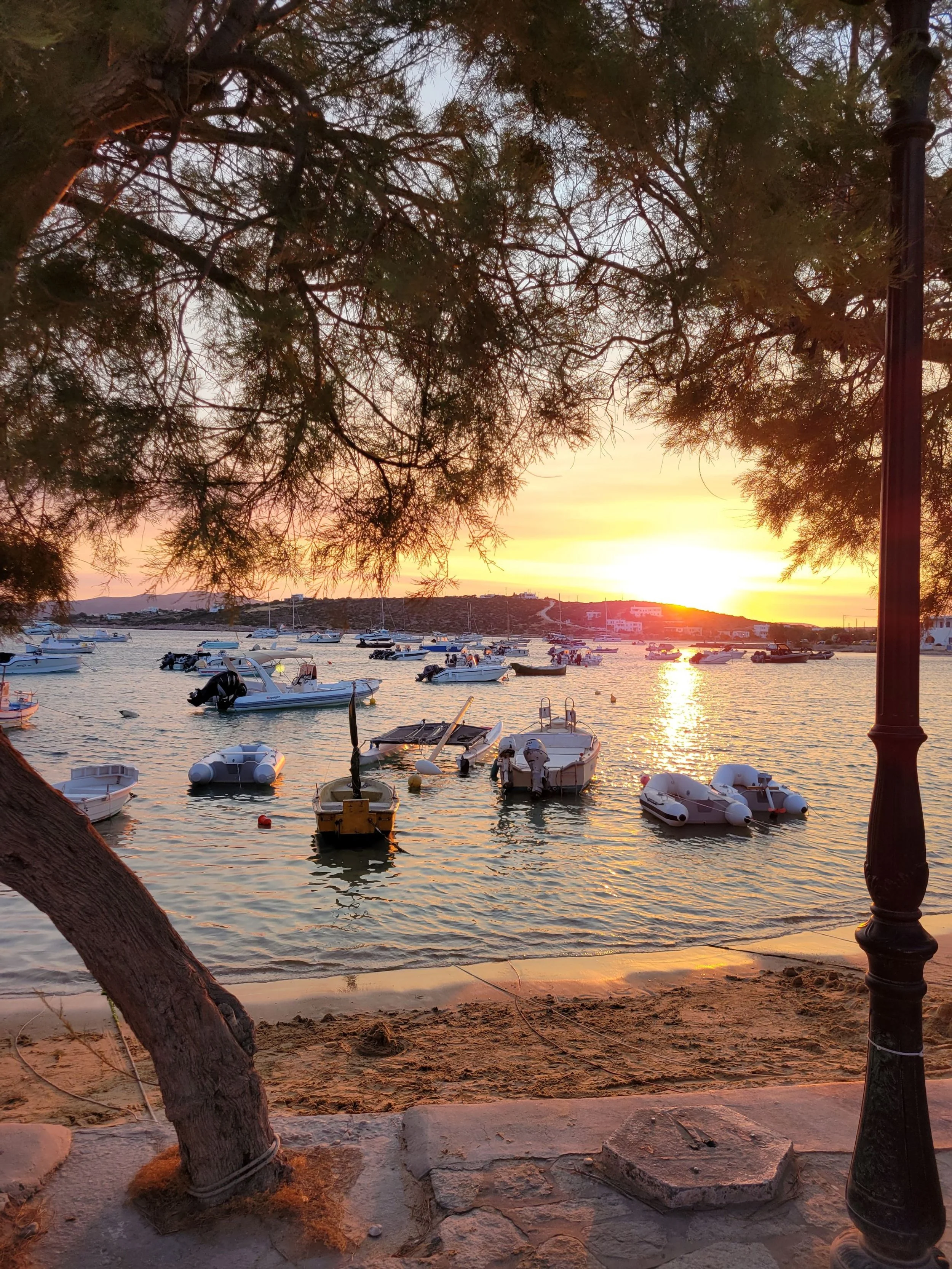
Boats at dusk in Paros, Greece, June 23, 2025.
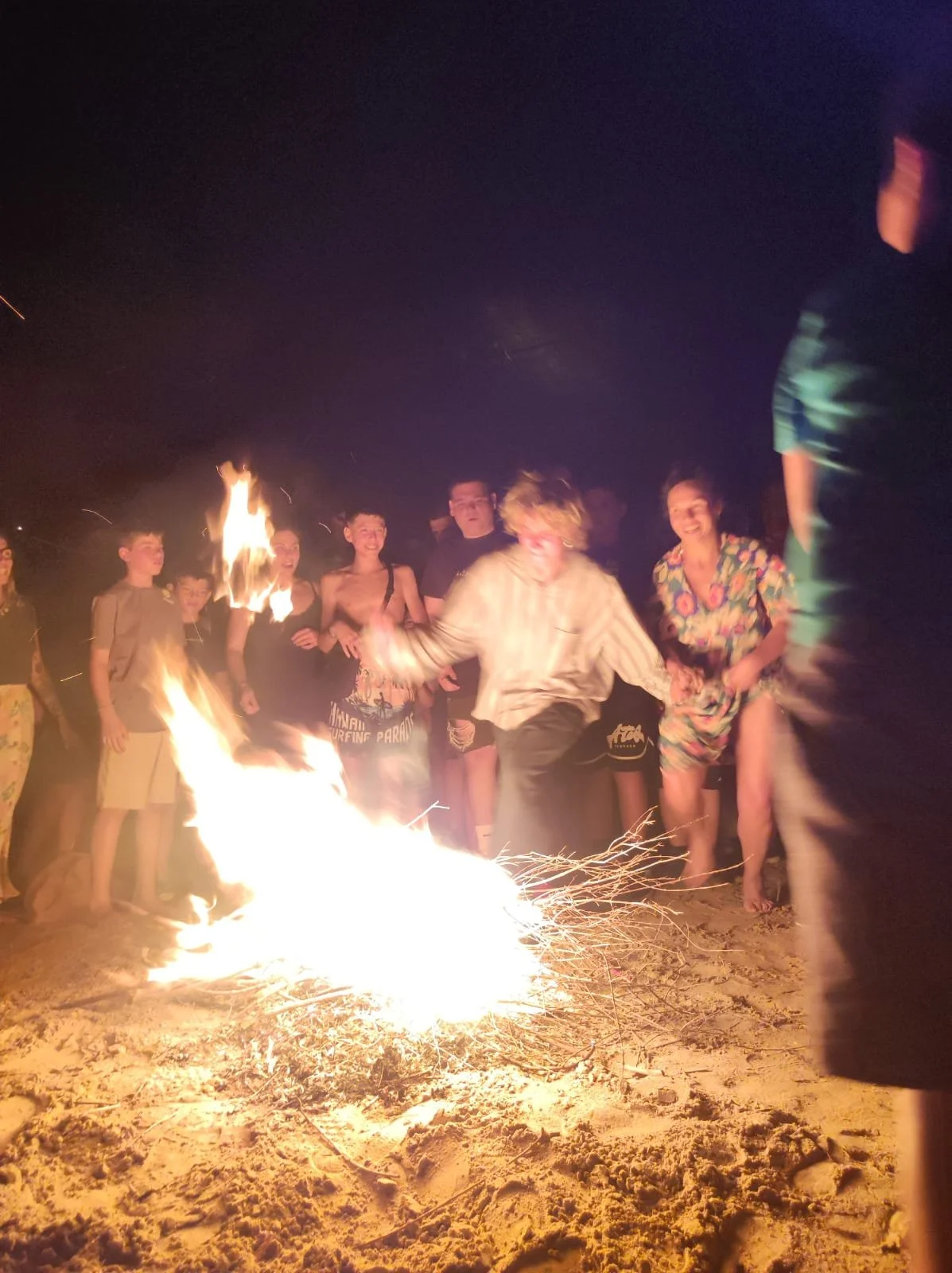
Bonfire jumping before the Klidonas Summer Festival in Paros, Greece, June 23, 2025.
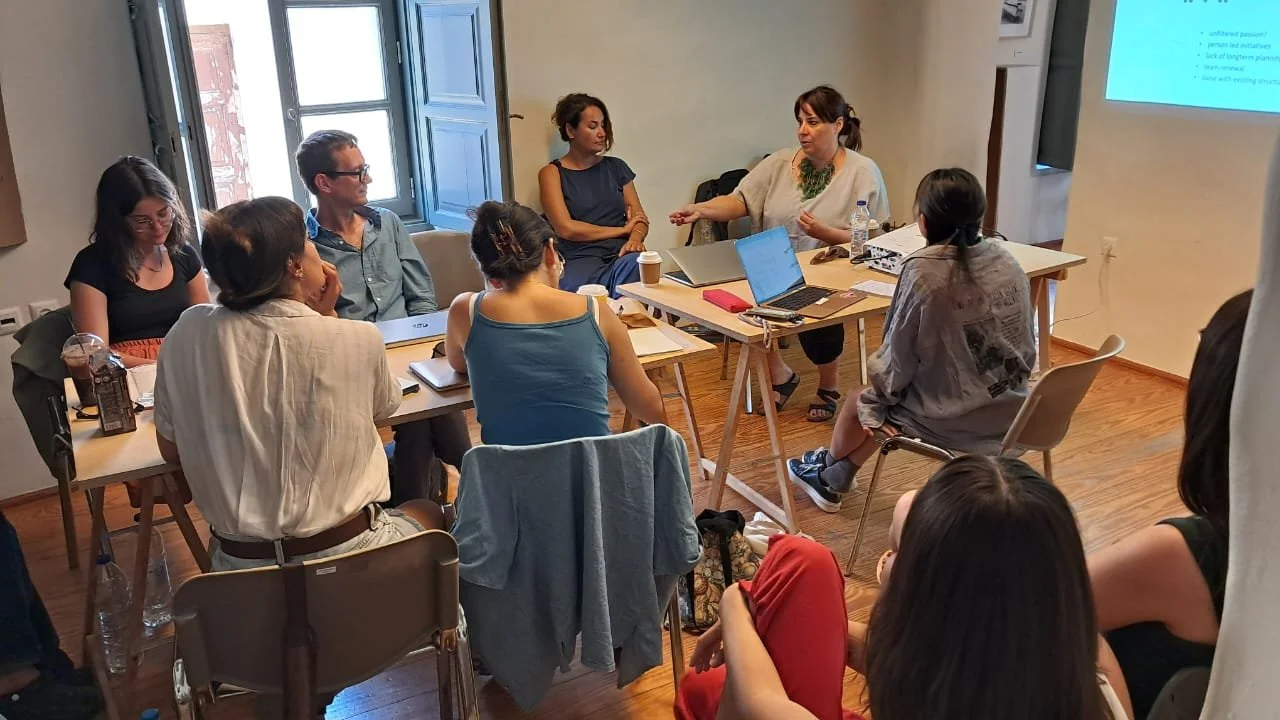
The Heritage Management Organization’s Community Engagement Field School Program participants conduct a classroom session in Paros, Greece, June 30, 2025.
Since 2008, the Heritage Management Organization has trained industry professionals from all over the world, teaching them how to “transform heritage assets from decaying objects of study to dynamic sources of learning, community identity, and economic development.” Heritage sites selected by the organization to host field programs have been eclectic. Countries such as Rwanda, Iran, Ghana, Ukraine, and Ethiopia have all participated, allowing participants to work with and learn from local communities as they seek to safeguard heritage in a sustainable way.
You can imagine my excitement (and surprise) when I was selected for their three-week Community Engagement Field School Program in Paros, Greece! As the only American selected, I was a bit nervous. I would be working alongside museum and heritage professionals from China, Germany, Italy, Colombia, Greece, and Japan, most of whom were already making a significant mark in the industry. Of course, I should have known Kentuckians fit in ANYWHERE there is good food and better company. I am pleased to say the island of Paros had both in spades.
You may think it was all sunshine and sea breeze, and you would certainly be right. But it was also twelve-hour days filled with field work, participant observation, interviews, training, and research. The program culminated with an international heritage conference at which we were asked to present group projects to industry luminaries and local community members (who showed up in droves!). My group spent several weeks researching the marble quarries in Paros—notable for producing arguably the world’s best marble. Its high translucence allows sunlight to shine off the marble in a breathtaking display, ensuring its use in renowned statues such as the David and Venus de Milo. The quarries are of major cultural significance to the island community, not just as a source of marble, but also as sites of industry where locals have worked for generations. I was constantly reminded of Kentucky’s unique heritage of coal mining, noting the many similarities in my work and discussions with colleagues.
Speaking of home, I believe the value of this program lies in the positive impact it will have on my work at the Frazier History Museum and, ideally, for the people of Kentucky. Often, when we think of “community engagement,” we imagine public outreach and educational programming. And while this is true to an extent, there are additional opportunities to create not just public-facing, but community-led, initiatives based on the specific cultural needs of our communities. I also believe the Frazier’s 120: Cool KY Counties exhibit is an excellent example of this idea in motion—collaboration, capacity-building, and local agency have each been prioritized over the course of the project. Moving forward, I hope these three pillars will continue informing our community-based work, along with an increased focus on positive community assets, rather than on deficiencies or needs.
The Frazier’s Stories in Mind program, which brings our museum to senior assisted living campuses across Louisville, has already embraced this concept, recognizing that our area’s senior community has just as much to share with the Frazier Kentucky History Museum (by way of experiences, lived history, heritage preservation, local knowledge, etc.), as our museum has for their community. After all, the history and heritage on display in our museum was created by them, their parents, their parents’ parents, and so on. We sincerely thank our community for allowing us to safeguard and celebrate it in our space. And I also want to thank the Heritage Organization for showing me that “community engagement” is most effective when a museum first seeks to empower communities before ceding power altogether.
Apologies if I have dragged our readers into the weeds with this discussion! It was not my intention, though I believe many of you will see the value in applying these ideas. Perhaps something less academic to share about my stay in Greece then. Did you know that hummus is not claimed by the Greeks? It is, in fact, a Lebanese specialty. I only found this out when asking why I never saw it on a menu. Silly me. I also jumped over a bonfire during the Klidonas Midsummer Festival, which is supposed to bring me a year’s worth of good luck. I will keep y’all posted. And so you know that the Frazier History Museum is truly “where the World meets Kentucky,” please enjoy this short video I made of my international colleagues!

Jason Berkowitz
Engagement Specialist