Steve & Heather French Henry’s Wedding, Your Chance to Win a 14K White Gold Diamond Necklace, Taylor County’s Spurlington Tunnel Witch, and More
As we gear up for Halloween, I may know a thing or two about our candy preference at the Frazier Kentucky History Museum.
I fill up the candy jar each morning, a task I enjoy and have kept alive since my days of being the “candy lady” at my previous job at WHAS-TV.
A sweet treat is always a fun little pick-me-up during the day.
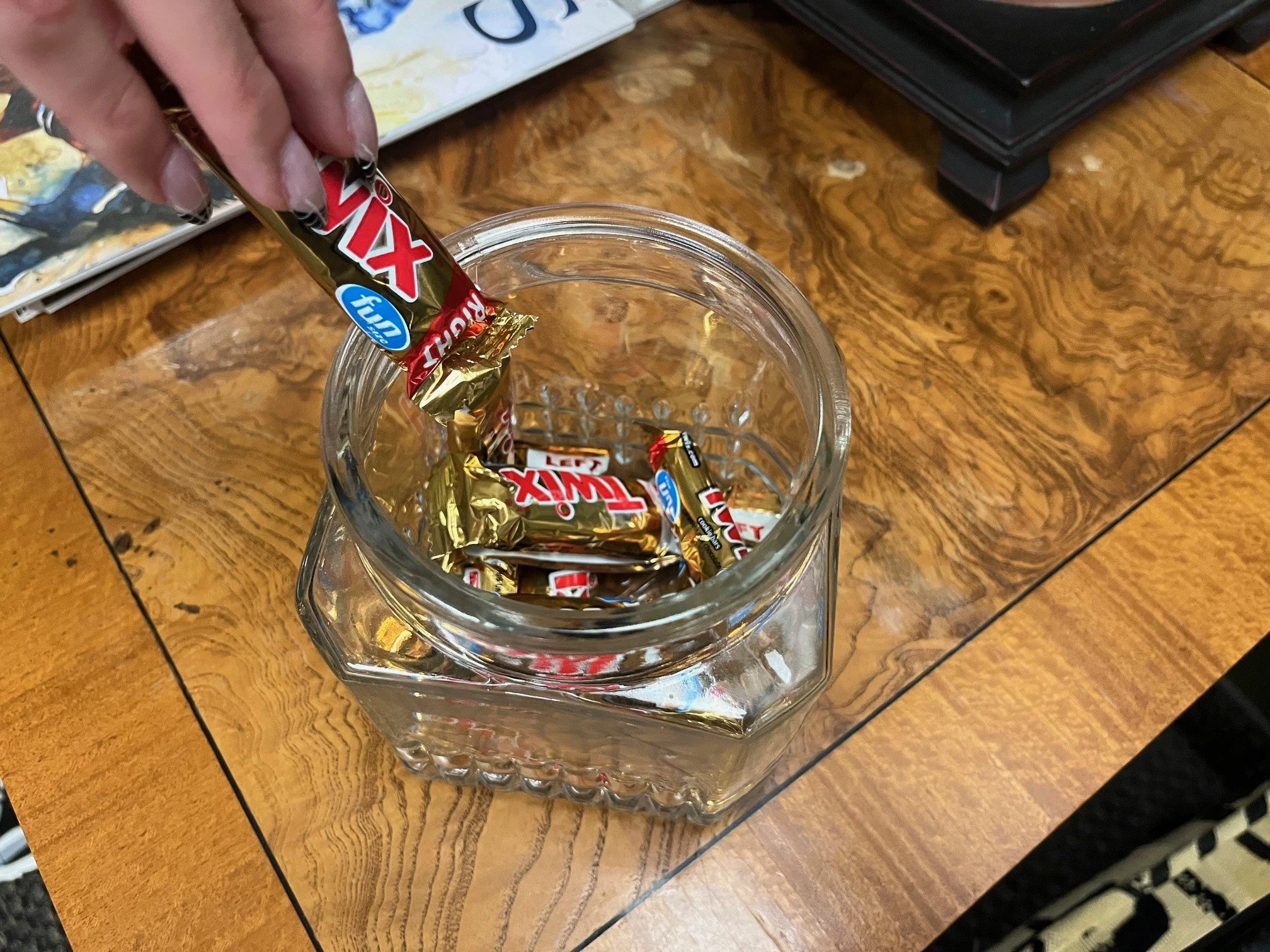
Twix bars go fast at the Frazier!
I’ve put a variety of chocolates and everything in between in that jar during the past few years, but nothing has been scarfed up quite like Twix.
And here’s the kicker: I had never eaten a Twix bar, so I’m not sure what led me to it in the candy aisle.
Who knew there would be such love from my colleagues for the caramel and milk chocolate cookie bars!
So, what is your favorite candy?
And I just read that Louisville is number six on the list of Halloween-obsessed cities!
To that end, we have a decorating contest at work this week. I am just going to offer Twix bars as a bribe for a vote.
Last year, we held a runway show for staff members to model their Halloween costumes. Who wore it best? Watch here and you tell us!
We have plenty of tricks in this issue of Frazier Weekly, including the book Kentucky Haunts, the Spurlington Tunnel Witch in Taylor County, and the healing powers of witch hazel. We have some treats, too, including Louisville Water turning 165 years old and a very special twenty-fifth wedding anniversary fit for a queen.

Rachel Platt
VP of Mission
Frazier Kentucky History Museum
This Week in the Museum
Happy Twenty-Fifth Wedding Anniversary to Heather and Steve!
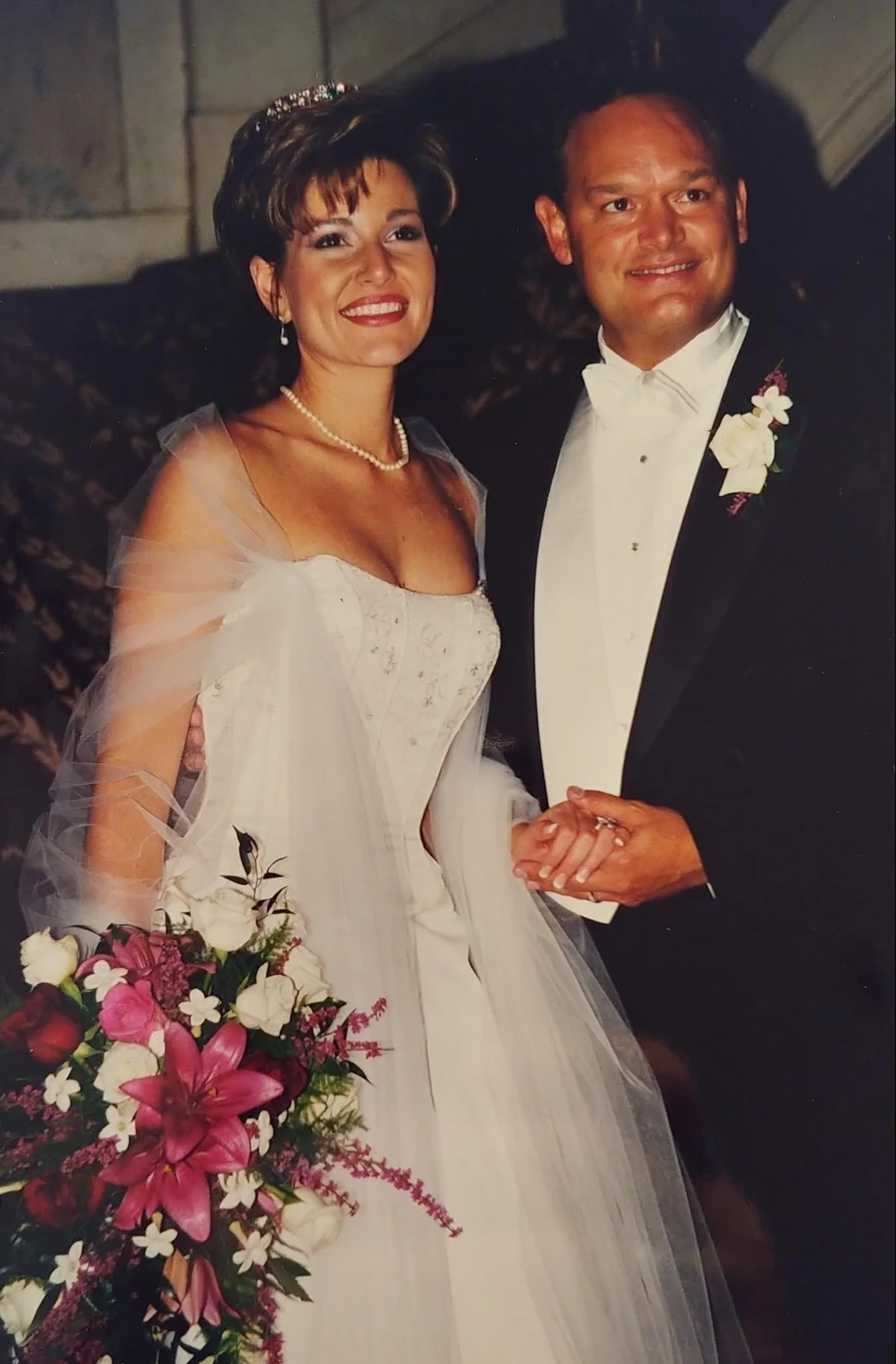
Heather French Henry and Steve Henry pose at their wedding, October 27, 2000.
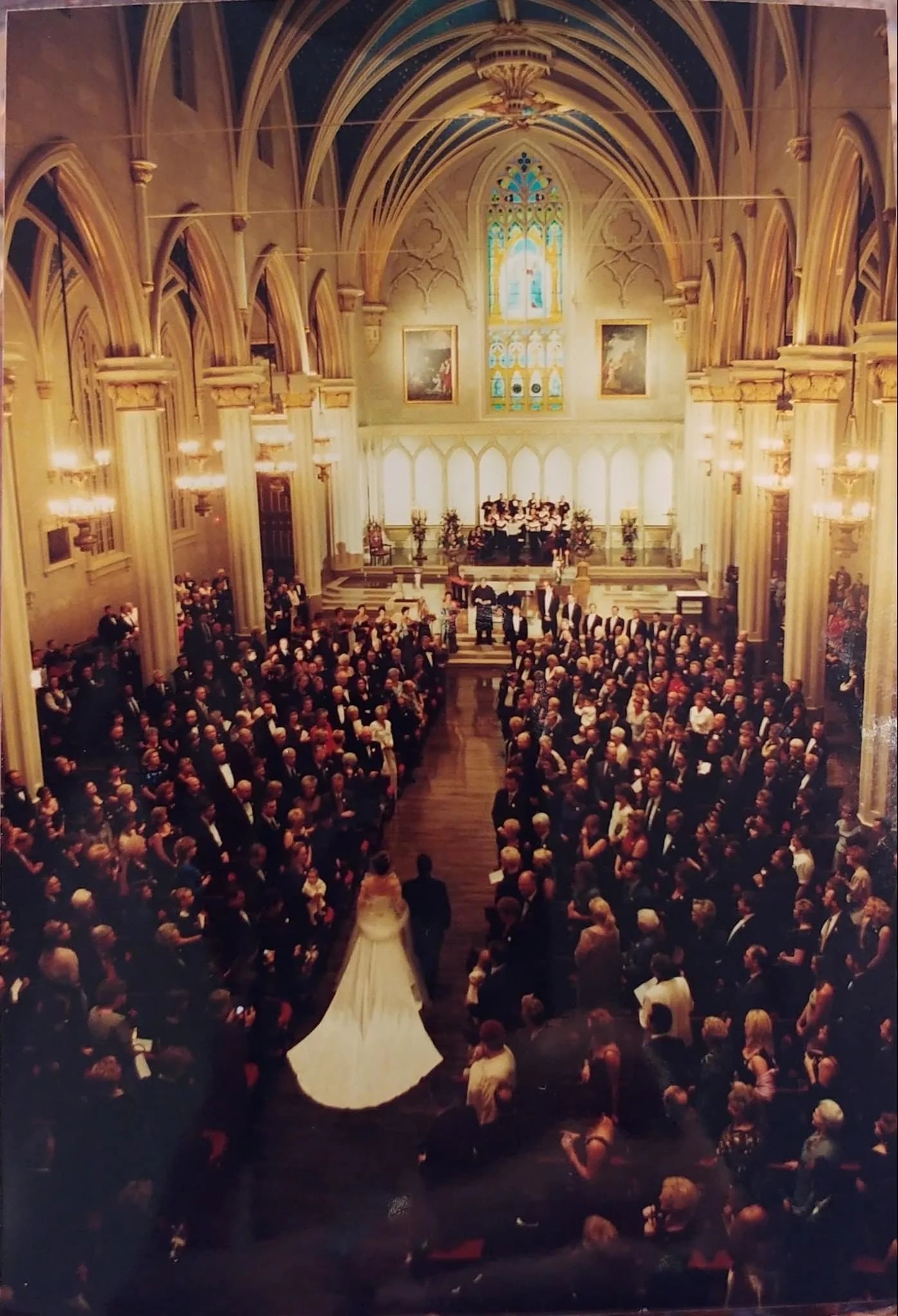
Wedding of Heather French Henry and Steve Henry at the Cathedral of the Assumption in Louisville, October 27, 2000.
Twenty-five years ago today, it was considered THE social event of the year. Heather Renee French, Miss America 2000, said “I do” to Lt. Governor Steve Henry at the Cathedral of the Assumption in Louisville. I was one of many reporters at the time covering the wedding that made national headlines. Lucky us, Heather and Steve have loaned us her beautiful dress and his dapper tux as part of our Davis Jewelers’ Love & Marriage exhibition. Join us for a special program, Is This Love That I’m Feeling?, on November 6 to celebrate everything love, marriage, and weddings. And keep reading as Heather shares more about their special day and beyond.—Rachel Platt, VP of Mission
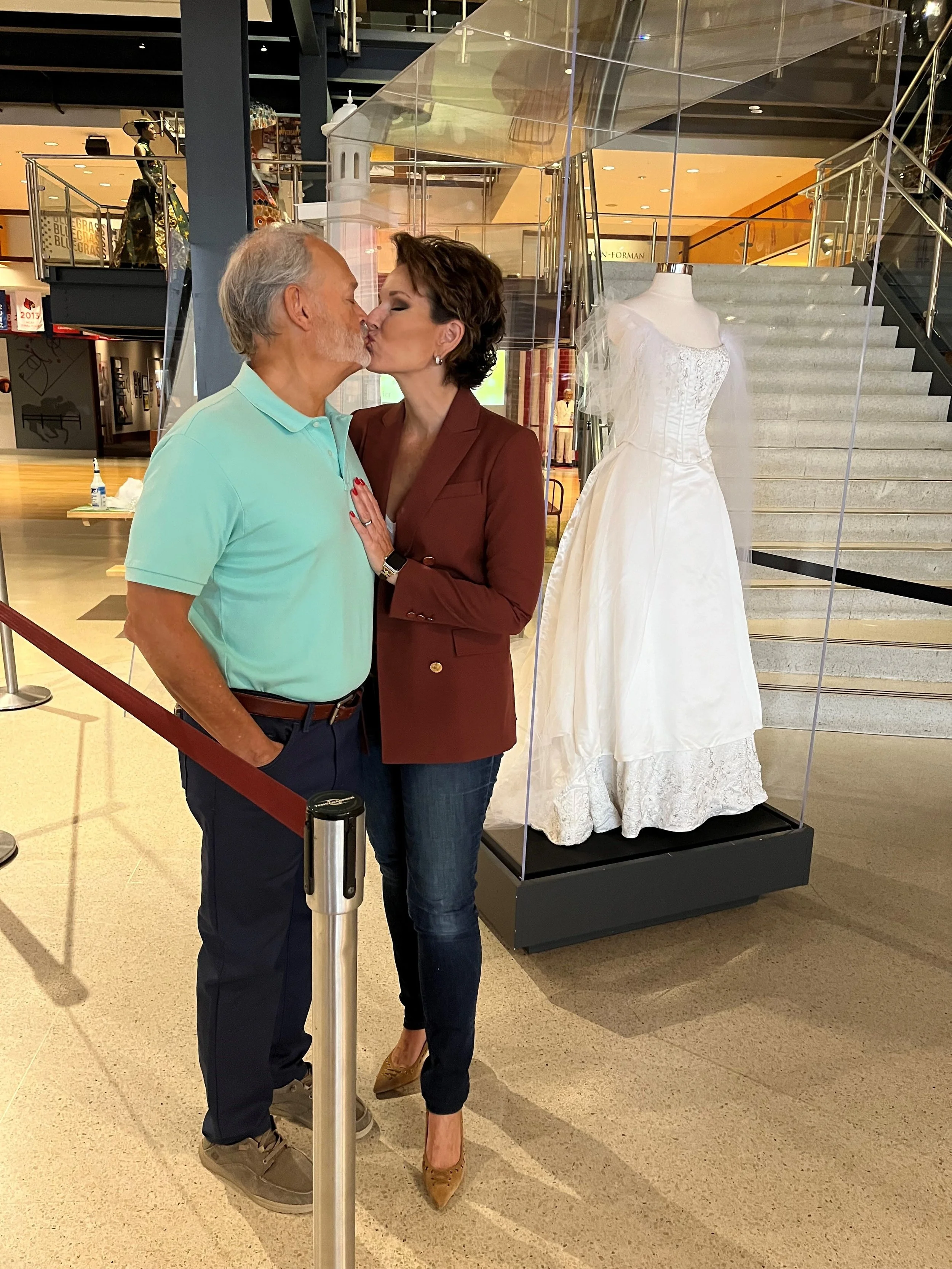
On October 27, 2000, just fourteen days after the close of my year as Miss America 2000, I married Dr. Stephen Henry (then Lt. Governor of Kentucky and a practicing surgeon) in a ceremony that remains for us one of the most profound chapters of our lives. That wedding gown now sits as a treasured item in the Frazier History Museum’s Davis Jewelers’ Love & Marriage exhibition, alongside Steve’s tuxedo. We are honored to mark our twenty-five-year milestone in parallel with this beautiful reflection of love, legacy, and partnership.
Over the past quarter-century, we’ve walked together through seasons of growth—as spouses, as parents to our two daughters, Harper and Taylor, and as partners in service and purpose. Our journey has been grounded in several principles that I want to share with you, especially in light of the museum’s exhibition celebrating matrimonial tradition.
From the moment we said “I do,” our marriage has not been defined by flawless execution but by intentional direction. Steve, in his work as a surgeon and public servant, and I, in my advocacy for veterans, learned early that our marriage needed purpose—not just pageantry—to sustain it. In this, your role and your work become part of your partnership, not separate from it.
One of the joys of looking back at our wedding is remembering the ceremony at the Cathedral of the Assumption in Louisville, the carriage ride, and the gathering of family and friends. But even more meaningful have been the shared quiet moments in the midst of the rigors of everyday life—raising children, work, and all of our many projects. Just as the museum exhibition invites guests to reflect on the heirlooms and traditions of marriage, I encourage couples to create their own unique balance.
Over the years our daughters have grown, our commitments have deepened and our priorities have shifted. Like the preserved gown and tuxedo in the exhibition, our marriage holds the memory of the day it began, but it is not frozen in time. We have learned that acknowledging change—and leaning into the next chapter—keeps the relationship alive. As you view the Davis Jewelers’ Love & Marriage exhibition, remember that each item tells a story, and your marriage is still being written.
To all of you reading this at the Frazier—whether newlywed, mid-marriage, or seasoned decades in—I offer this: Celebrate the milestones, but don’t wait for them to feel significant. Honor the everyday. Choose love with intention. And as you look at the beautiful display of gowns and tuxedos, remember that the garment is a symbol but the marriage is lived in the moments beyond the dress.
Here’s to twenty-five years of love, adventure, service, and partnership—and to all of you who are writing your own marital stories.
Heather French Henry, MDes
Guest Contributor
From the Collections: Heather French Henry’s Wedding Jewelry
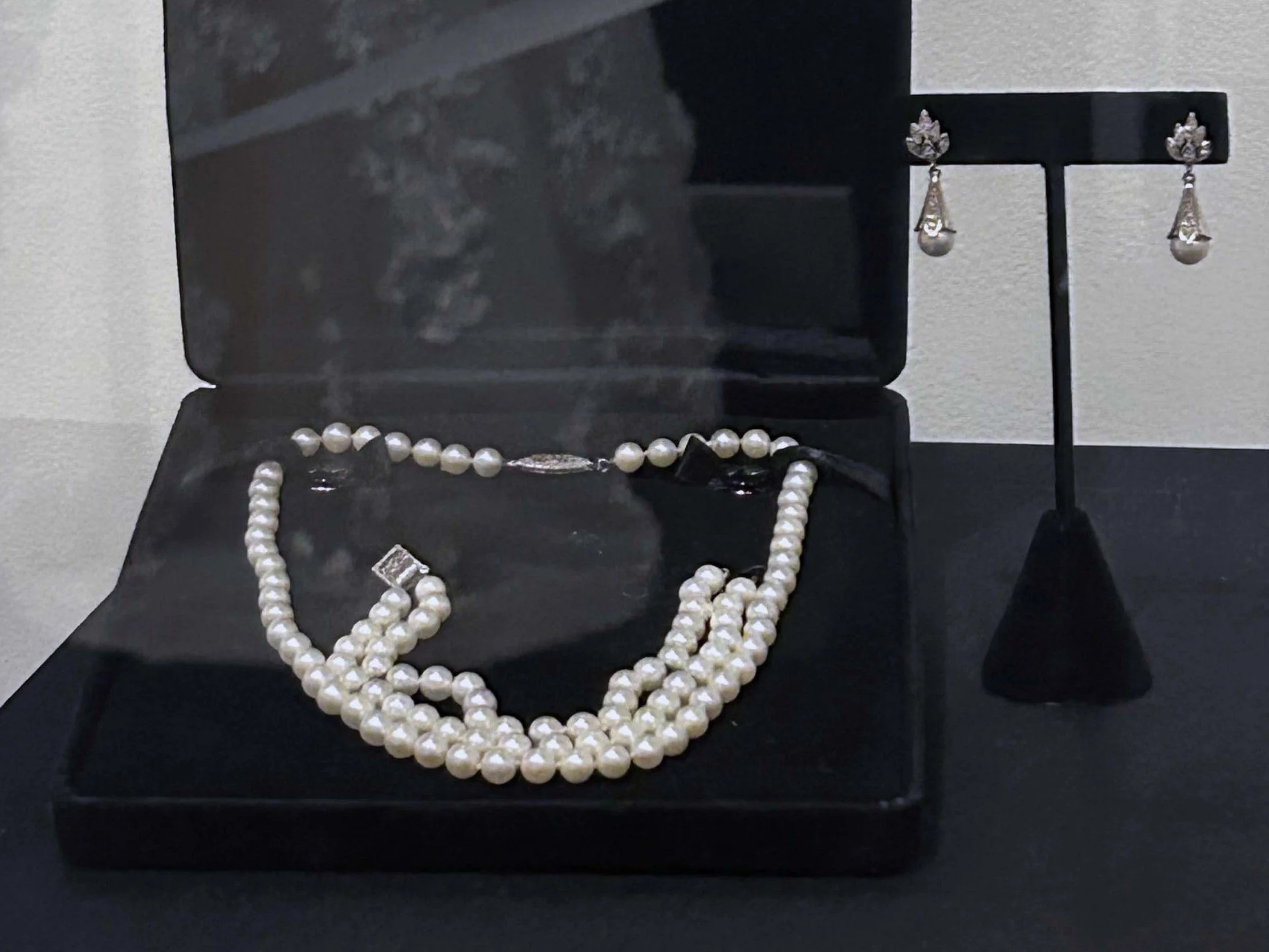
Heather French Henry’s wedding jewelry on display in the Frazier’s Davis Jewelers’ Love & Marriage exhibition, October 24, 2025.
On display in our wonderful exhibition Davis Jewelers’ Love & Marriage is a small case with wedding jewelry. After all, who doesn’t like the sparkle and shine at a wedding? The ring, the earrings, and even bracelets that a bride wear just enhances the beauty of her dress.
When it comes to jewelry, I am particularly fond of pearls! With that said, I wanted to highlight a beautiful necklace and bracelet of pearls Heather French wore during her wedding to Steve Henry. Made by Tiffany & Co., this set is simple yet stunning in its classic nature of pearls. Heather’s earrings add just a little extra shine with a diamond design at the stud. They hold the pearls to make small dangling pieces.
Come see these pieces in person. And happy anniversary, Heather and Steve!

Tish Boyer
Registrar & Manager of Collections Engagement
Your Chance to Win a 14K White Gold Diamond Necklace from Davis Jewelers!
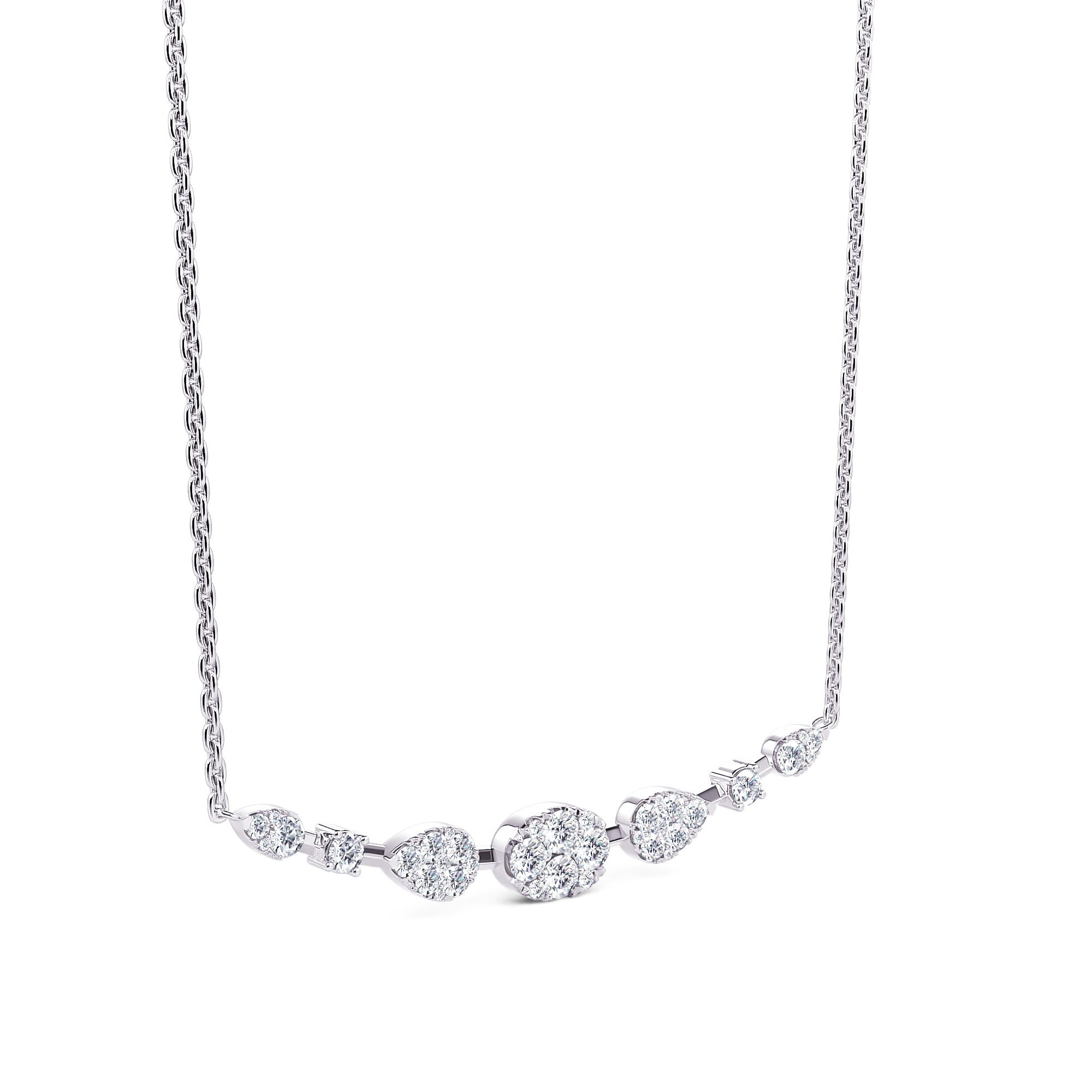
14K white gold curved bar diamond necklace from Davis Jewelers.
What a night we have planned at the Frazier on November 6 with our upcoming program: Is This Love That I’m Feeling?
Now add to the sparkle of the evening your chance to win this 14K white gold curved bar diamond necklace from Davis Jewelers, with a retail value of $2,995.
Everyone who purchases a ticket to the program and is in attendance that night has a chance to win.
That’s just part of the fun: It will be night of love, fashion experiences, and jewelry trends with acclaimed names in the business.
It’s all part of our Davis Jewelers Love & Marriage exhibition that you can tour that evening.
Join us as we team up with Davis Jewelers, Jewelers Mutual, and Jenkins & Wheatley Family Law for an evening that will begin with a complimentary welcome cocktail and whiskey tastings by Mary Dowling Whiskey Co.
Say I do and click here to purchase your ticket!
Rachel Platt
VP of Mission
Museum Shop: Kentucky Haunts

Copy of the book Kentucky Haunts sold in the Frazier’s Museum Shop and online.
Bring Halloween to life with Kentucky Haunts! The book is read about Abraham Lincoln, who dreamed of his own assassination, a well-wishing female specter at Mark’s Feed Store, and historic locations with lingering ghosts. Discover over forty eerie sites with the detailed listing of locations included. Get a copy in the Frazier’s Museum Shop or online.
Highlights of 120: Taylor County: Spurlington Tunnel Witch
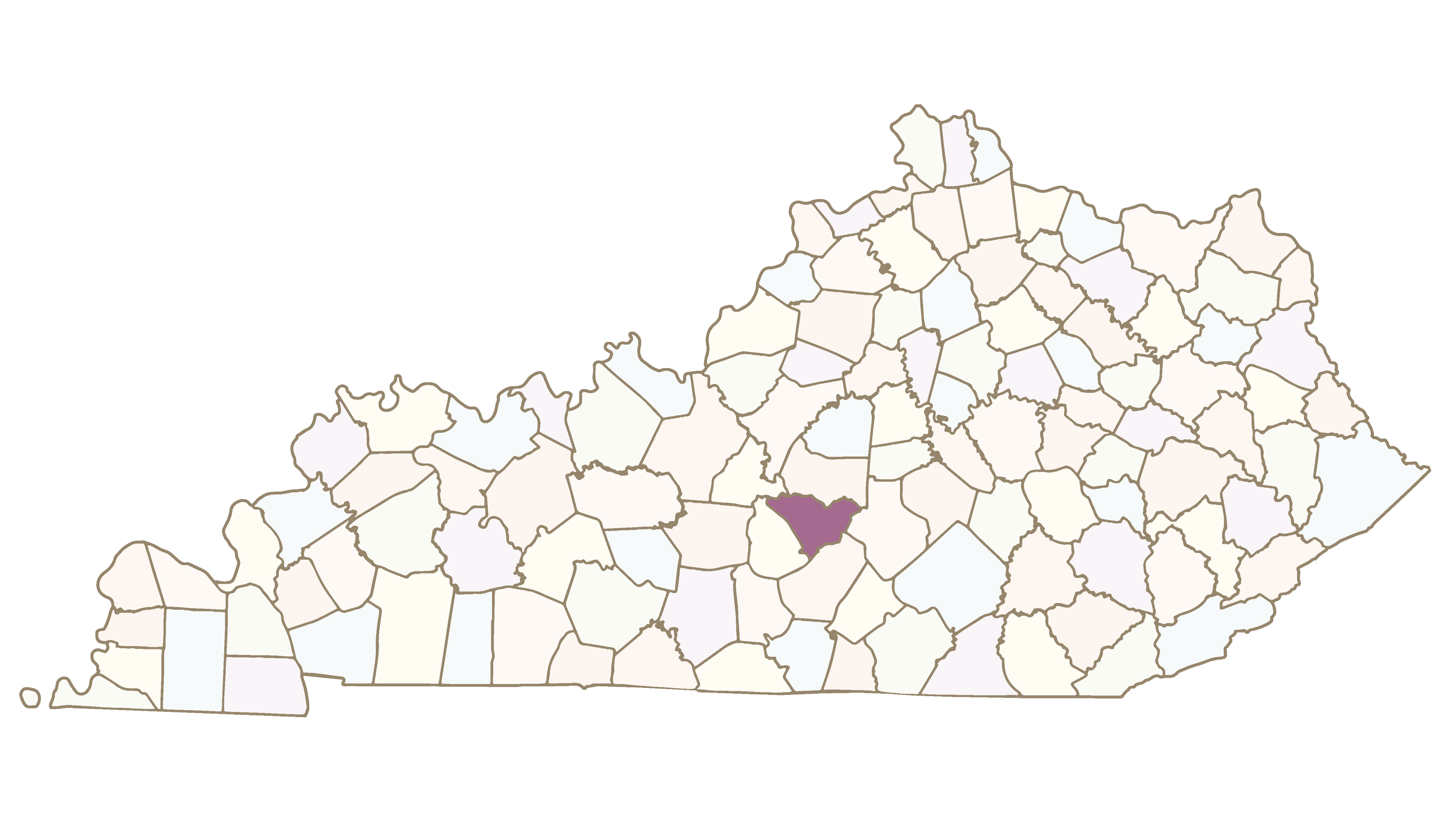
Map of Kentucky with Taylor County highlighted.
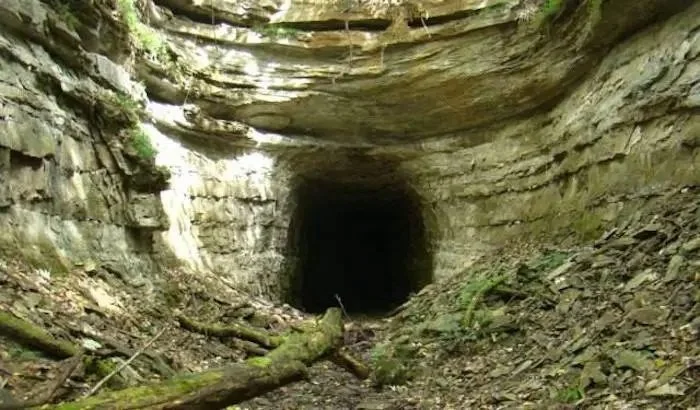
Entrance to the Spurlington Tunnel outside Campbellsville, Taylor County, Kentucky, 2023. Credit: Haunted Kentucky.
As we prepare for Halloween, we want to spotlight some of the spooky content featured in our museum. Learn more in the following story, one of hundreds of stories featured in our 120: Cool KY Counties exhibit.—Simon Meiners, Communications & Research Specialist
From the Pope Lick Monster to the Little Green Men of Hopkinsville, Kentucky is a hotbed for the strange and peculiar. Local legends and mysterious creatures pepper the Commonwealth, their stories passed down for generations. Many are well-known, even nationally. Other legends stay local, shared with friends and family, but rarely with outsiders. Somewhere in the middle is the legend of Nancy Bass, a.k.a. the Spurlington Tunnel Witch.
Found five miles outside of Campbellsville, in Taylor County, is the tunnel itself. Constructed between 1867 and 1874, the tunnel allowed for a railway between the towns of Greensburg and Lebanon. It was a colossal achievement—a hole bored 1,900 feet straight through a mountain, workers making just a few feet of progress each day. Seventy-five men and several donkeys were enlisted, the latter often going blind in the pitch-black darkness. These abysmal conditions eventually gave way to whispers of ghostly apparitions and supernatural occurrences. Before the tunnel was even finished, workers were hearing phantom pickaxes. Others reported seeing phantom donkeys, the poor beasts having perished underground during construction.
That said, it is Nancy Bass, a local witch, who is most associated with the tunnel. She was feared and despised by the Spurlington townsfolk, accused of killing crops, cows, and, in some cases, people. To appease her, many allowed Aunt Nancy to sleep in their barns, feeding her meals to dissuade her from cursing loved ones. More than anything, they wanted rid of the supposed witch. There were discussions on how to do this, rooted in local folklore and ancient traditions. One failed attempt on Nancy’s life occurred when a local man took a personal item from her, attaching it to a stake and placing it at a crossroads. It was believed that by hammering the stake each night for seven consecutive nights, the witch would expire with the seventh and final blow. This did not happen in Nancy’s case, as she was able to find and remove the stake before the seventh night.
Though discouraged, the residents of Spurlington were far from finished with Nancy Bass. According to Appalachian folklore, there are other ways to kill a witch. One man threatened to burn Nancy at the stake, to which she fatefully replied, “the only way you’ll ever kill me is with a silver bullet!” And that is precisely what happened, when soon after, a man came knocking, shooting Nancy point-blank with a silver bullet upon answering her door. It is said the townsfolk buried her body deep in the tunnel, hoping the cursed remains would never be found. Which brings us to today, with Nancy’s final resting place undiscovered—though locals whisper of riches and gold buried on her person. Others speak of a small chain attached to her casket which extends to the surface. Find the chain. Find the gold. But take caution, lest the Spurlington Tunnel Witch cast one final curse.
For more on this incredible legend, please watch our 120: Cool KY Counties interview with Taylor County resident and local historian Betty Gorin!

Jason Berkowitz
Engagement Specialist
A Brief History of Witch Hazel in Appalachian Folkways
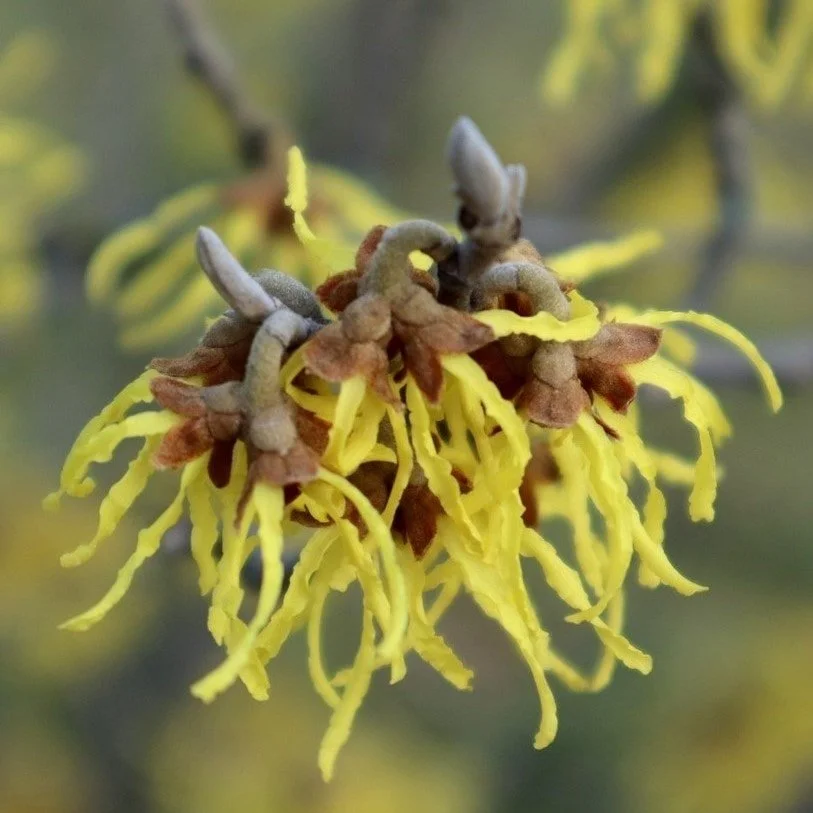
Detail of witch hazel in Kentucky. Credit: Pempberton’s Greenhouses.
Halloween season is the perfect time to think about the witch hazel tree. In Appalachian folklore, the witch hazel plant is considered to have supernatural properties and is most definitely a plant of mystery.
Early settlers to Appalachia were taught about the healing powers of witch hazel from the Native Americans. Indigenous peoples knew of the medicinal properties of the plant. The Iroquois treated dysentery, cold, and coughs with witch hazel, while the Potawatomi steamed the twigs over hot rocks to soothe sore muscles. The Osage used the bark of this plant to cure skin ulcers and sores. The Native Americans also used witch hazel for water dousing, believing that, since the plant liked moist earth, a forked branch of the plant could locate water underground. Appalachian settlers adopted all these beliefs and ascribed other magical properties to the witch hazel, including finding gold, silver, salt, minerals, coal, and buried treasure. The tree was also considered to be a wayfaring tree: a tree to be consulted if you are on a journey, seeking a new path, or trying to find your way through uncertain times.
Mysteriously, right around Halloween, the witch hazel will begin to drop its leaves while it also begins to bloom. The yellow, copper, and red blooms are ribbon-like and very fragrant. The blooms can look like a spark of fire. The witch hazel is often the only color in the woods all the way into January. Once the blooms are open, the seed pods from the previous year are ejected from the tree. The tree makes a spitting noise as the seeds are ejected thirty feet from the tree. The witch hazel is the only tree in North America to have flowers, fruit, and next year’s leaf buds all at once.
Adding to its mystery, there is little scientific knowledge about what makes witch hazel effective. Chemists have identified various compounds but nothing that definitively explains its healing properties. In fact, it is one of a few plants approved by the Food and Drug Administration as a non-prescription drug ingredient.
Witch hazel makes a captivating addition to your garden, providing visual interest during the dormant season. The American witch hazel flower is very fragrant—although, true to its mysterious habits, it will take six years for the plant to first flower!

Susan Reed
Engagement Specialist
Another Honor for Tori Murden McClure
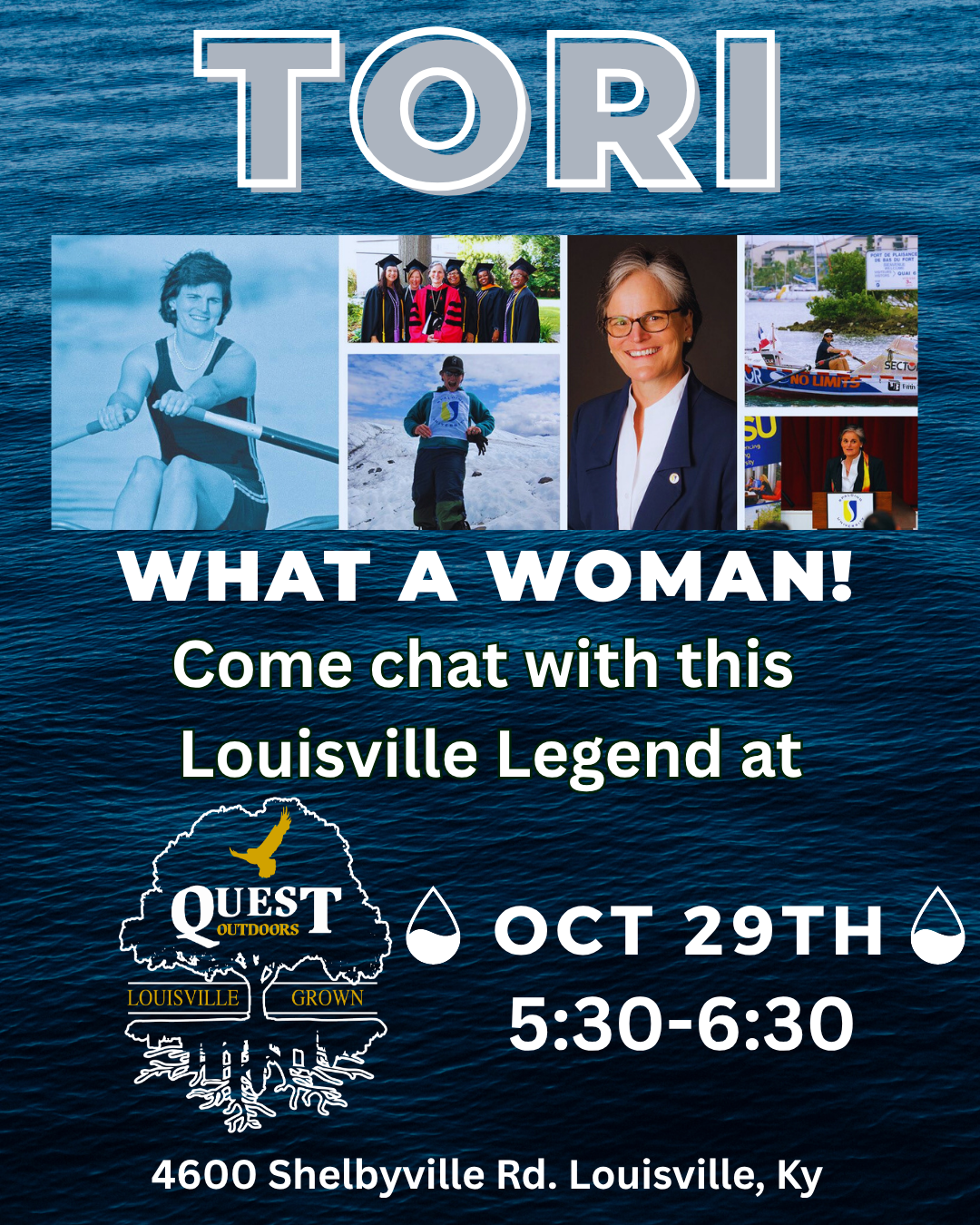
Flyer for Quest Outdoors event with Tori Murden McClure.
We always love to promote when Tori Murden McClure gets an award, because we think she’s pretty fabulous.
She rowed her way into the history books as the first woman and first American to row across the Atlantic Ocean, in her boat, the American Pearl.
And lucky us, she donated her boat to the Frazier where it has become one of our most iconic pieces in the museum.
She is part of the Frazier family.
On October 29, Quest Outdoors is presenting her with a lifetime achievement award and you’re invited to hear her speak.
The program starts at 5:30 p.m. at 4600 Shelbyville Road.
A legend in our midst!
Rachel Platt
VP of Mission
On the Trail with Abby: Dueling Grounds Distillery in Simpson County

On the Trail with Abby graphic.
Bourbon tourism is booming—and the Kentucky Bourbon Trail® is growing faster than ever! Each week, the Frazier’s Abby Flanders takes readers on a digital stop-by-stop tour of this expanding adventure, spotlighting the distilleries, stories, and expressions behind America’s native spirit. Ready to hit the trail in real life? Start your journey at the Frazier History Museum, the Official Starting Point of the Kentucky Bourbon Trail®.
In the early 1800s, the Kentucky-Tennessee border near Franklin, Simpson County, Kentucky, became infamous as the site of duels between gentlemen who favored settling disputes with pistols rather than words. In this area, known as Linkumpinch, a triangular jog with unclear legal jurisdiction, the historic dueling ground inspired the creation of Dueling Grounds Distillery.
Founded in 2014, Dueling Grounds Distillery honors a storied past while crafting a new history of their own. Their flagship Linkumpinch Bourbons seek to embody Kentucky craftsmanship and grit. Aged at least two years and bottled in small batches, the current lineup includes National Bourbon Heritage Month special reserve, single barrel cask strength, and bottled in bond Bourbons.
Visitors can take a guided tour through the distillery and aging warehouse, sip Bourbon and gin in the cozy tasting room, and even stand on the very land where history was made—sometimes with deadly consequence! After your visit, stop by the Sanford Duncan Inn, the place where duelers rested, ate, and drank before their fate was decided.
Dueling Grounds Distillery is a place where past and present meet, proof that many of Kentucky’s stories can be best explored with a little whiskey in hand.
PS: Learn more about Linkumpinch and the Sanford Duncan Inn in the Frazier Kentucky History Museum’s 120: Cool KY Counties exhibit!

Abby Flanders
Administrative Chief of Engagement
History All Around Us
Cheers to 165 Years of Louisville Water Company!
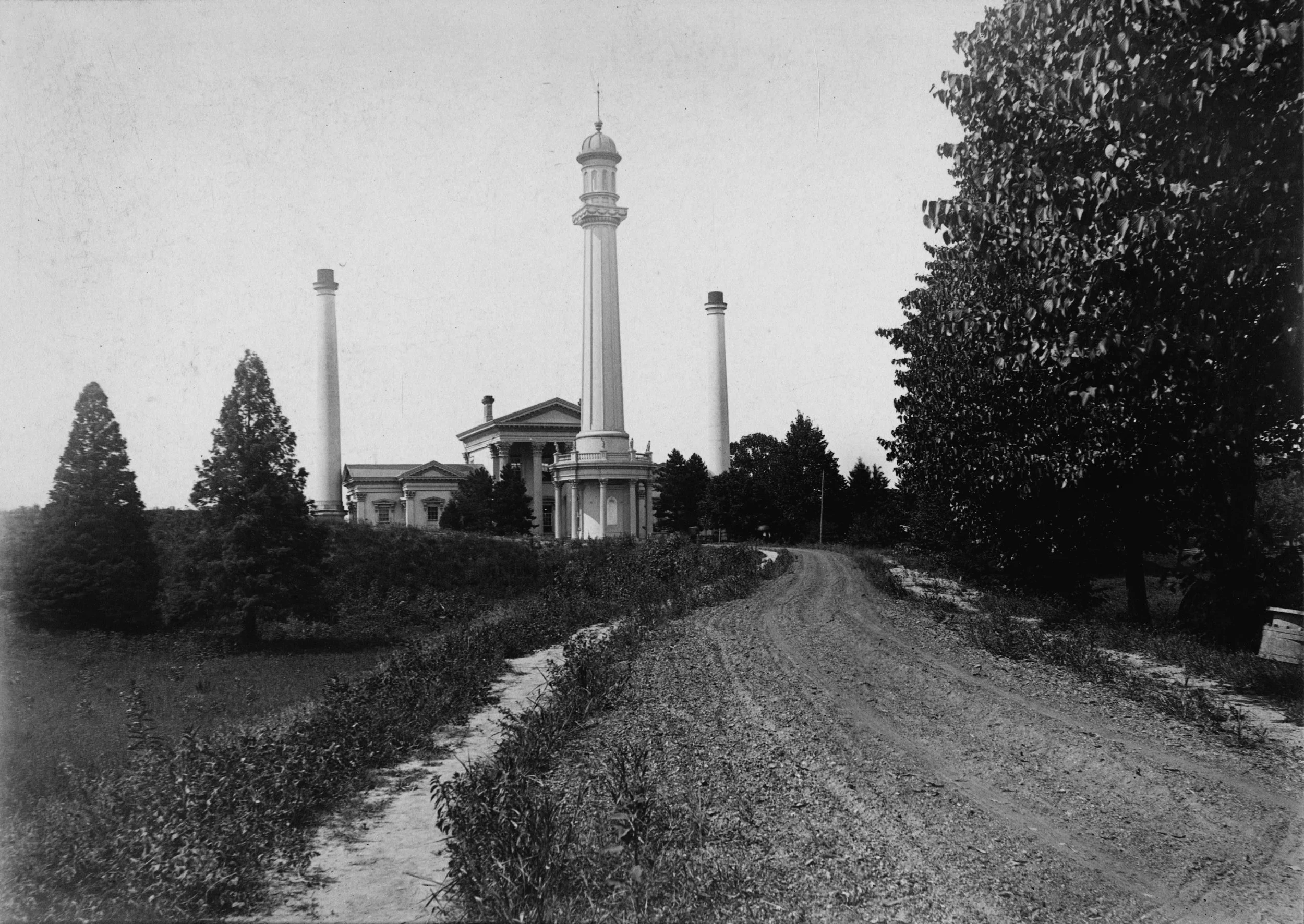
Dirt road that leads to the Louisville Water Tower, late 1800s. Credit: Louisville Water Company.
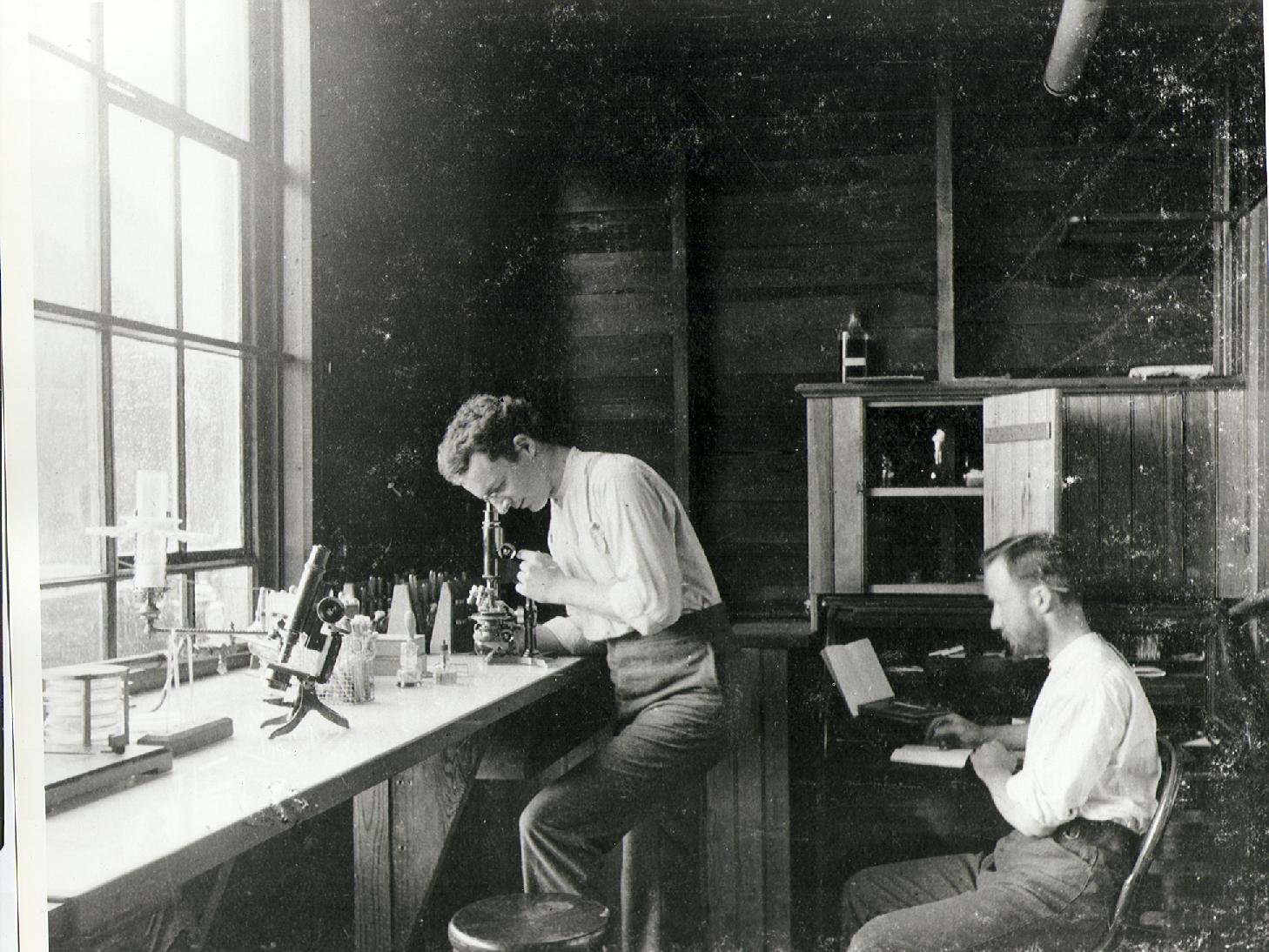
Landmark filtration experiments at Louisville Water Company, c. 1896. Credit: Louisville Water Company.
On display in the first floor of the Frazier Kentucky History Museum is a large scale model of the Louisville Water Tower on River Road. Did you know that iconic tower has now been pumping water for 165 years? We asked Louisville Water Company Specialist Kathleen Speicher to spotlight the vital role this utility has played in Kentucky history.—Simon Meiners, Communications & Research Specialist
Louisville Water is raising a glass to 165 years! On October 16, 1860, Louisville Water began operations as Kentucky’s first drinking water provider for 512 customers. Today, it is the state’s largest water utility and delivers roughly 131 million gallons of water every day to nearly a million people.
Our commitment to public health and rich history of innovation are rooted in the beginning. During the early 1800s, Louisville was dubbed the “graveyard of the west” because of its rampant cases of cholera. While the public didn’t necessarily see the need for cleaner water, the first engineers of what was then known as Water Works, envisioned building a company full of possibilities. Chief Engineer Charles Hermany wanted to provide “pure” water and oversaw landmark filtration experiments in the 1890s on the site where the Louisville Water Tower still stands today. That work laid the foundation for drinking water treatment around the world and set the tone for Louisville Water to keep innovating and striving for excellence in both water quality and as an organization.
In 1997, Louisville Water became the first to trademark its drinking water—Louisville Pure Tap®. Its award-winning taste is a point of pride with Louisville Water. Our team of scientists test Pure Tap more than 200 times a day in our EPA-certified lab before you receive it fresh from the faucet. Another point of pride: our water treatment plants are two of the top nineteen in the country. Over the summer, three awards reaffirmed the work we do. The Partnership for Safe Water recognized the Crescent Hill Water Treatment Plant for maintaining the Excellence in Water Treatment Award for ten consecutive years. Both the Crescent Hill and B. E. Payne treatment plants received the twenty-five-year Directors Award.
We continually invest in our infrastructure to keep high-quality Pure Tap flowing into the next century. We invite you to come learn the story of your drinking water where it all started: at Louisville Water Tower. This local treasure and National Historic Landmark symbolizes the quality and innovation that Louisville Water has embodied for 165 years. Plan your visit with us today!

Kathleen Speicher
Specialist, Louisville Water Company
Guest Contributor