Thornton and Lucie Blackburn, Cultured with Four Roses, Pursuit of Happiness Thirteen Colonies Board Game, and More
It’s a story of resilience and courage that we’ve been telling here at the Frazier Kentucky History Museum, and this spring we’ll be able to tell it in a more profound way.
It’s the story of Thornton and Lucie Blackburn, perhaps the only birth-to-death account of a formerly enslaved couple who found freedom in Canada.
Their harrowing journey to freedom began in Louisville in 1831 and was literally uncovered in Toronto by archaeologist Karolyn Smardz Frost, who in 1985 led the excavation of the Blackburns’ home in Canada. It became the first Underground Railroad site dug in Canada. And after twenty years of research, it also became the subject of her award-winning biography, I’ve Got a Home in Glory Land: A Lost Tale of the Underground Railroad.
More than two years ago I got to visit Toronto and meet with Karolyn Smardz Frost, along with Lamont Collins from Roots101 Museum and Josh Miller and Hannah Drake from the (Un)Known Project.

Hannah Drake holds a fragment of a dish recovered from the Blackburn dig site in Toronto, Canada, October 2023.
We got to see where their home once stood, how they helped other freedom seekers with housing, and where they were buried. But most profoundly we got to see and touch remnants of dishes, a pipe, and other artifacts recovered during the Blackburn dig.
We vowed then to try and bring some of these artifacts to the Frazier and to Louisville where their journey to freedom began. Thornton and Lucie are names and stories we should know and tell. There is a historical marker near the Galt House documenting their journey, and this spring the Frazier will open an exhibit with many of those artifacts we touched in Toronto.
My colleagues Amanda Briede and Tish Boyer recently made the trek north to personally secure them for the Frazier, so keep reading to learn more about how it happened. Also, in today’s edition of Frazier Weekly, our wiz preparator Lucas Keown works his magic on a new exhibition, everything’s coming up roses in a new Bourbon program, and we spotlight another amazing artist featured in our Aflora exhibition.

Rachel Platt
VP of Mission
Frazier Kentucky History Museum
This Week in the Museum
Curator’s Corner: Frazier Staff Retrieve Blackburn Artifacts at Canadian Border
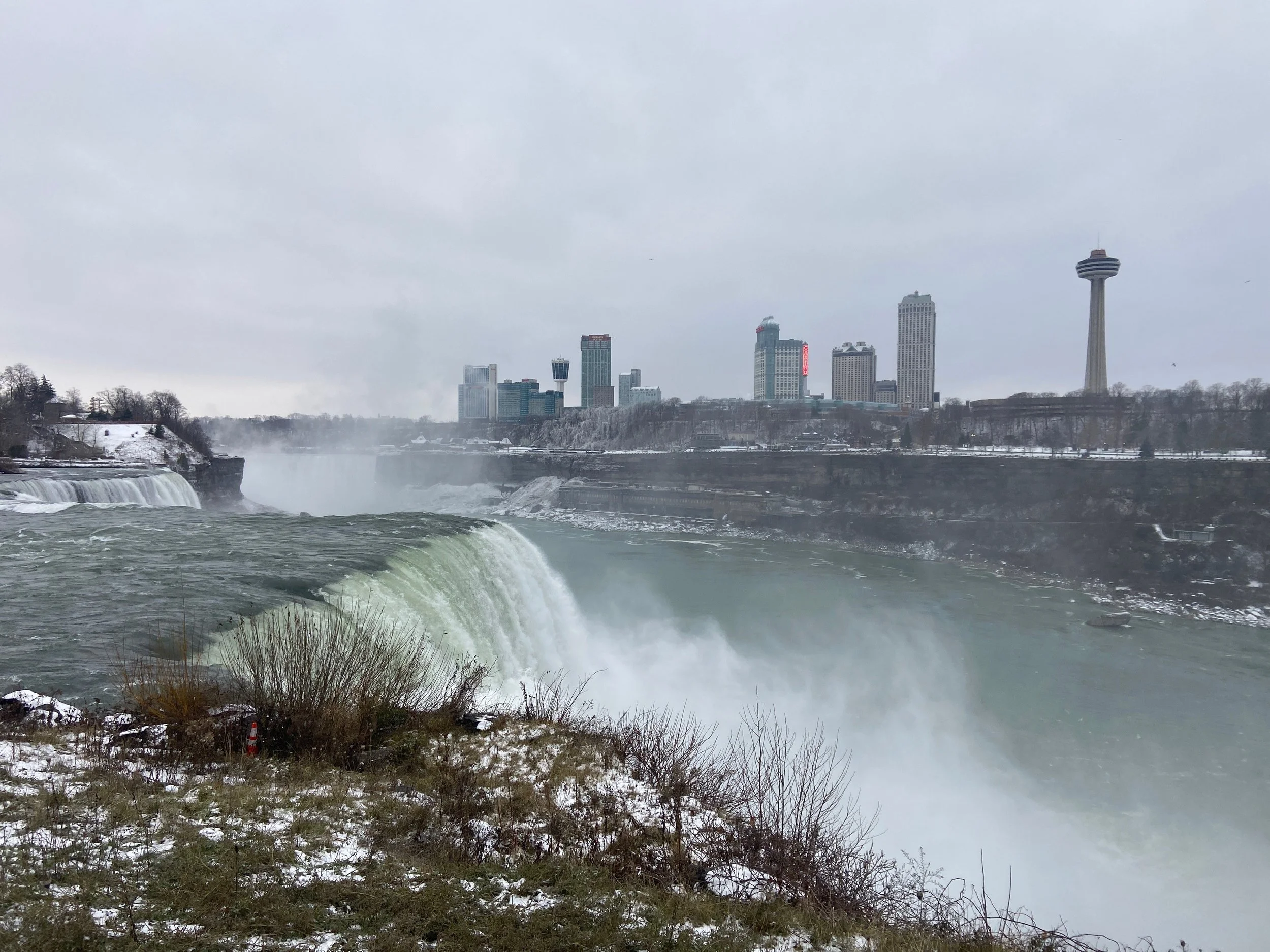
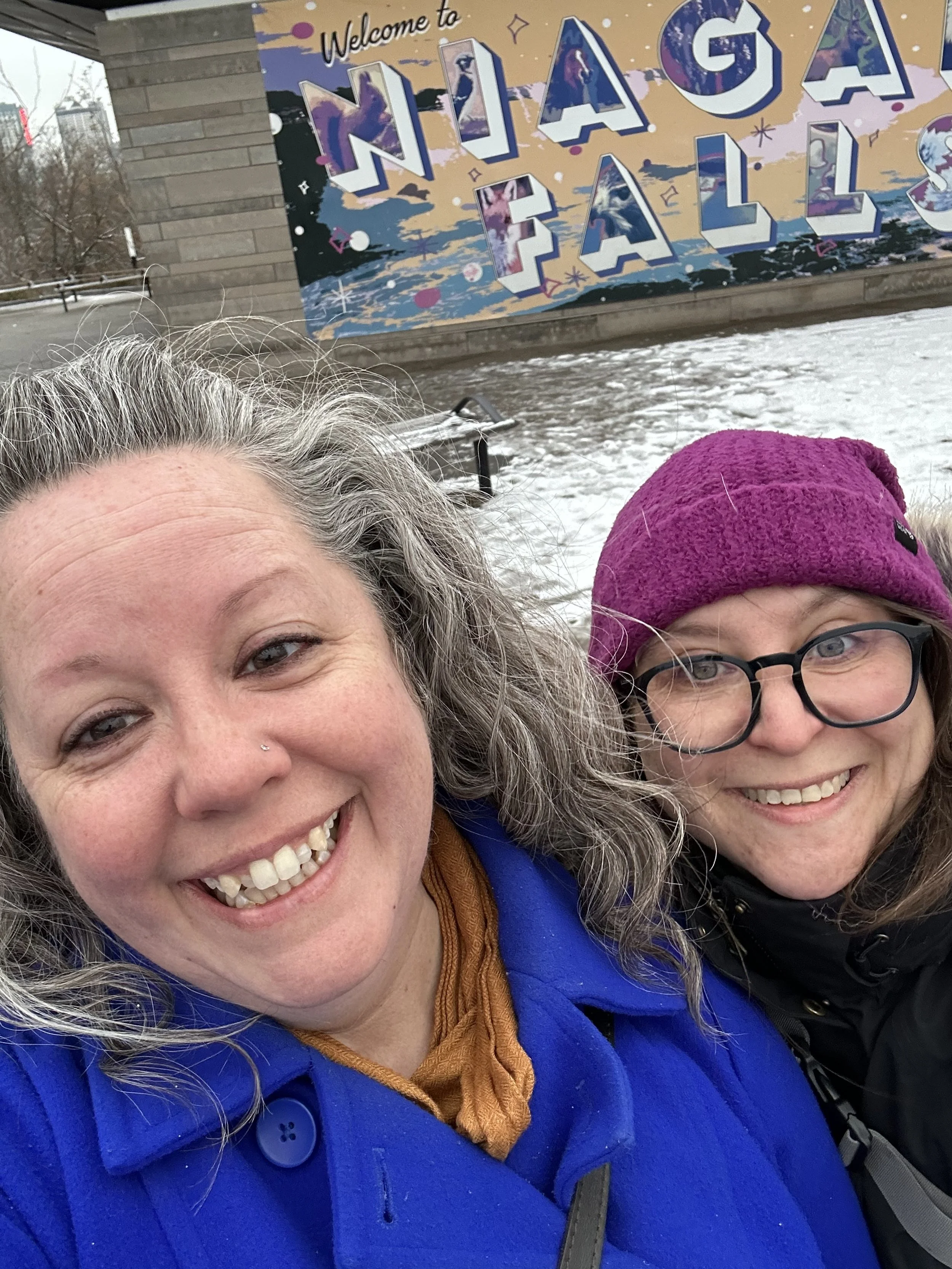
Niagara Falls, December 5, 2025.
This coming spring, we will open a small exhibition dedicated to the story of the Blackburns, an enslaved couple who escaped to freedom from Louisville, eventually making their way to Toronto, Canada. We have already been working hard on the exhibition and in early December, Tish Boyer, the Frazier’s Registrar and Manager of Collections Engagement, and I took a snowy journey to the Canadian border. There, we picked up some items that will be on loan for the exhibition. These pieces were archaeologically excavated from the Blackburns’ home, which now sits on the site of a school in Toronto.
It was a quick trip, with only one day between two days of driving more than eight hours. After picking up the objects from our friend who crossed the Canadian border to meet us, we managed to fit in a few fun activities. We snuck a quick peek at Niagara Falls (it was SO COLD) and we visited the Theodore Roosevelt Inaugural National Historic Site and the Buffalo History Museum. We also tried buffalo wings at three different restaurants. My favorite were at Duff’s, but Tish liked Gabriel’s Gate—a recommendation from the girls working at the front desk at the Buffalo History Museum!
Our Canadian friend reminded us that we travelled a very similar route as the Blackburns did when they escaped to freedom, and it is a true privilege to bring a small part of them back to Kentucky to help tell their story. If you want to learn more about the Blackburns before the exhibition opens, you can check out The Journey—our free walking and driving tour of sites related to the Underground Railroad here in Louisville. (Don’t worry, you can take the tour virtually, while nice and warm inside!)
Amanda Briede
Sr. Curator of Exhibitions
From the Collections: Fragment of Blackburns’ Ceramic
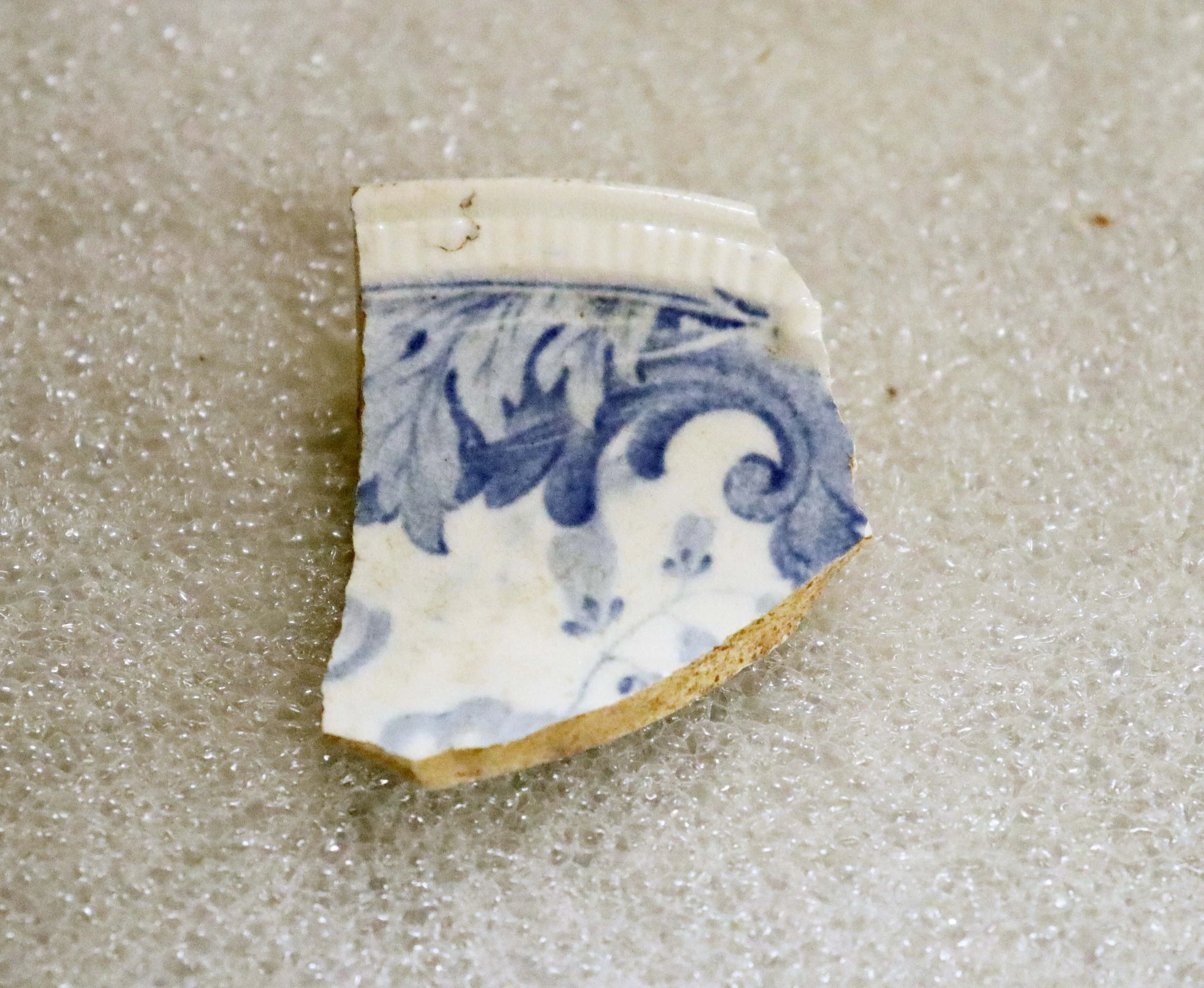
Fragment of ceramic recovered from the Blackburns’ dig site, January 9, 2026.
By now you have read about our upcoming exhibit on the Blackburns and my journey with Amanda to pick up pieces of their story. All that is physically left of the Blackburns’ story are archeological pieces—fragments, really, of a life well lived in Canada.
The small ceramic shard pictured might not look like much at first, but there are a few things we can see and tell about this piece and its owners. This is a sturdy but well-made piece. It is hard to see in the image, but it is slightly curved, which makes me think it is possibly part of a small dish. Might it be part of a teacup saucer? Or perhaps a bowl? It features a delicate blue pattern and a beautiful, scalloped detail along the edge.
While we do not have the full piece, we can still see that the Blackburns experienced prosperity in their new life in Canada. And, for me, that is what captivates me about objects—even small broken pieces. I like to think of all the possibilities and to contemplate what this piece might say about someone’s life.
I hope that this has now fostered some curiosity in you. Give us a few months to get the exhibit up and then come down to see the Blackburns’ story in person.
Tish Boyer
Registrar & Manager of Collections Engagement
February 12 Four Roses Program Adds a Pairing Partner
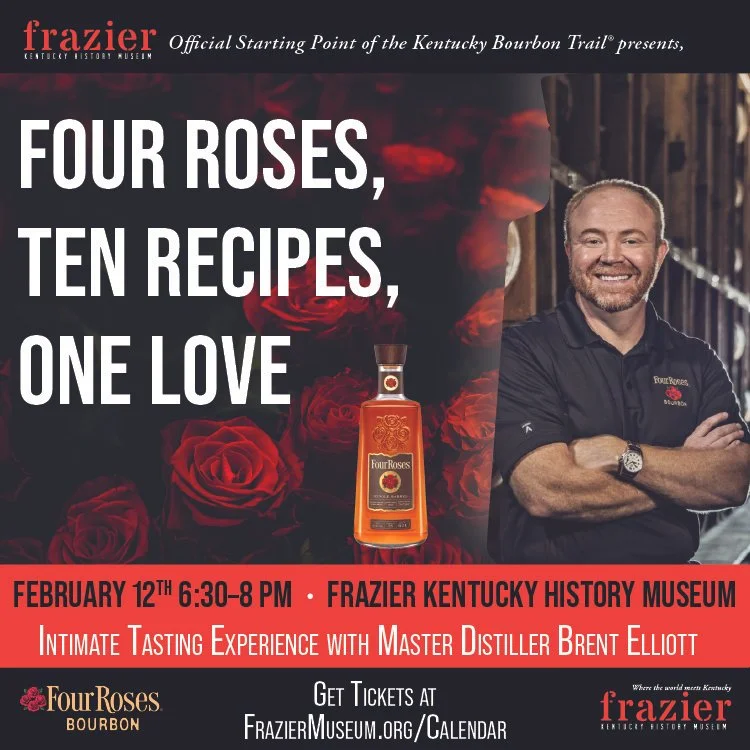
Four Roses, Ten Recipes, One Love flyer.
Hey all, if you missed it over the holidays, the Frazier Kentucky History Museum launched its next outstanding Bourbon program. Four Roses, Ten Recipes, One Love promises to be the next in a long line of Four Roses events that have sold out. And, oh my, are folks going to be thrilled with the OBSO 9-year bottle that attendees have the opportunity to go home with.
We have also just added a bonus partner to the program in Cultured Cheese & Charcuterie Bar owner Jessica Mattingly. Not only will Four Roses Master Distiller Brent Elliott be here along with Brand Champion Tucker Carper, leading us through tastings and stories about Four Roses, we are now pairing each of those tastings with a little something savory or sweet from Cultured.
Mattingly will pair small bites, specifically curated to compliment every offering in the Four Roses lineup, from Yellow Label, through Small Batch, Single Barel, and finally, the barrel selection carefully chosen by the Frazier with assistance from both Carper and Elliott.
Live a little, come have a taste!

Andy Treinen
President & CEO
Pursuit of Happiness to Feature Topographic Thirteen Colonies Board Game
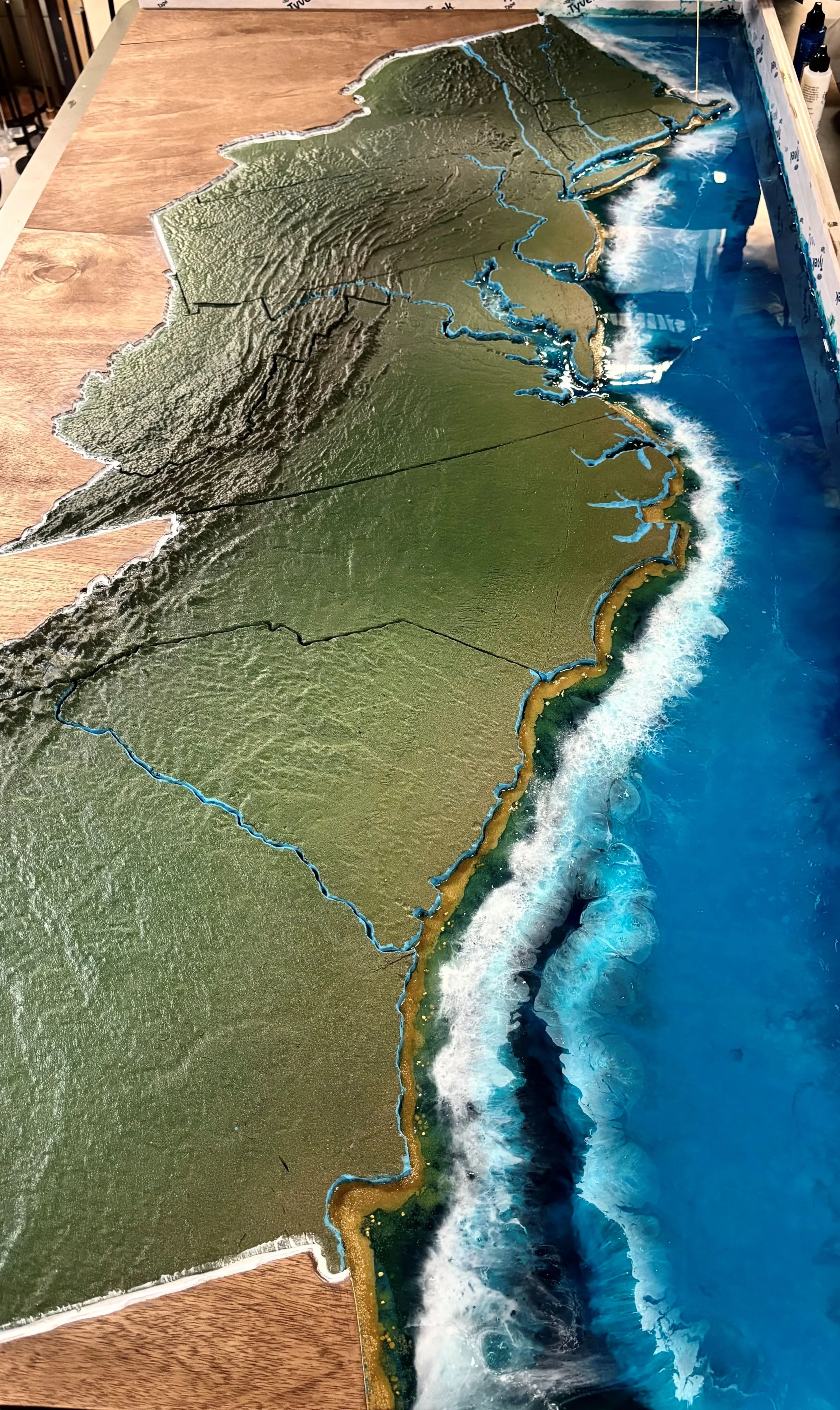
Topographic map board game to be featured in the Frazier’s Pursuit of Happiness exhibition, January 9, 2026.
This January, we kick off the 250th anniversary of the signing of the Declaration of Independence with our new exhibition, Pursuit of Happiness. With the goal of making this an enticing and educational experience for our younger history lovers, we’ve planned and built eight interactive activities and games dispersed all throughout the gallery. These elements allow kiddos to get a firsthand glimpse into the lives of the thirteen inspiring individuals featured in the exhibition.
One of our favorite interactives created for Pursuit of Happiness is a large-scale board game that follows the paths of Richard Clough Anderson and French aristocrat Marquis de Lafayette through a three-by-five-foot topographic model of the thirteen colonies, racing to help fight for the colonies’ independence at the Battle of Yorktown. Just don’t get sent back to France! (I’m looking at you, Lafayette.)
Another interactive we’ve nicknamed the “Scale of Values” allows guests to weigh and balance the parts of life we hold closest to us, such as family, pets, vacations, and, of course, sweets. Along with these two activities, we have six others, including a letterpress wood-type setting station, a cipher that hides a secret message where you can test out your spy tactics, a poetry station based on the work of Phillis Wheatley, and several more you’ll have to learn about in person.
To experience these new interactive activities and explore the stories of thirteen individuals and their places in the American Revolution, stop by the Frazier Kentucky History Museum this year and help celebrate the 250th anniversary of America’s independence.

Lucas Keown
Preparator
The Enduring Value of Gold: Why it Still Matters
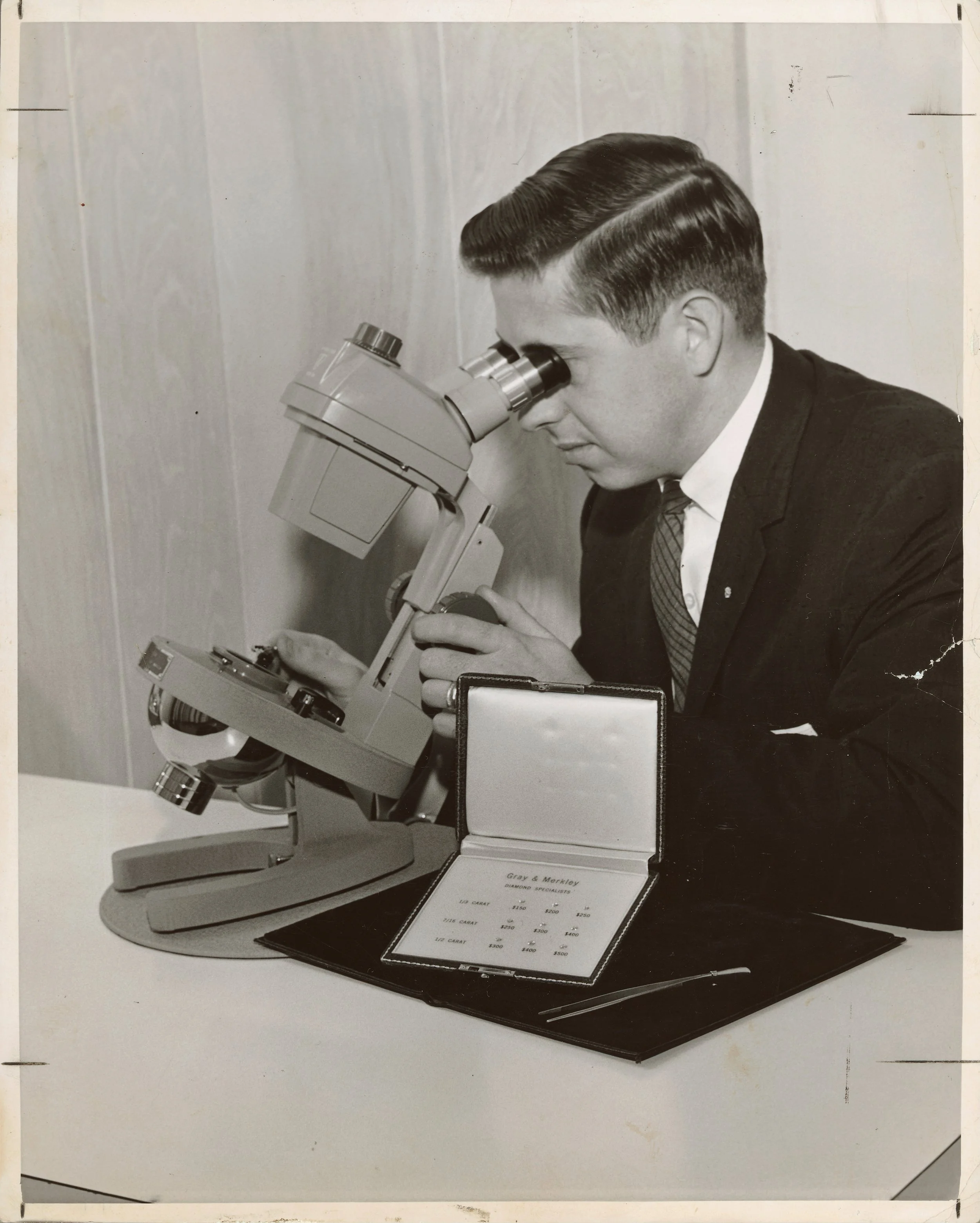
A Gray & Merkley Diamond Specialists employee observes a piece of jewelry, undated. Credit: Merkley Kendrick Jewelers.
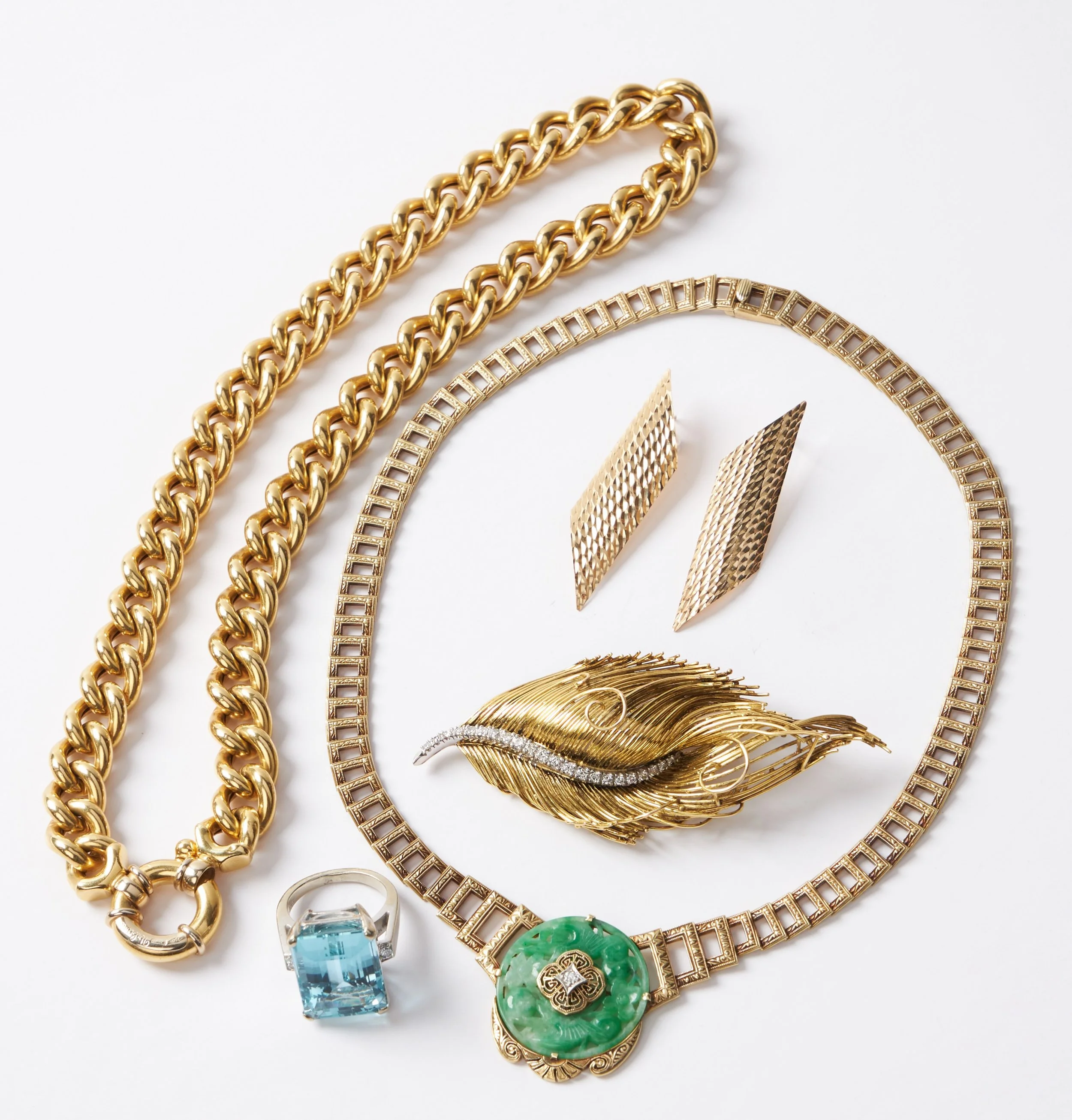
Vintage gold jewelry pieces. Credit: Merkley Kendrick Jewelers.
Founded in 1832, Merkley Kendrick Jewelers is the oldest jeweler in Louisville—and the second oldest in America! In August, the jeweler celebrates its 193rd birthday with the official unveiling of the Merkley Kendrick Rooftop Garden here at the Frazier Kentucky History Museum. Offering a breathtaking panoramic view of the Ohio River and the picturesque city skyline, this garden space is ideal for weddings, cocktail hours, and other private events—so contact us for a site visit! In September, I had the privilege to officiate a friend’s wedding in the Merkley Kendrick Rooftop Garden. We’ve asked Brian S. Merkley to shed some light on the timelessness of a metal long prized by newlyweds: gold.—Simon Meiners, Communications & Research Specialist
Long before modern markets and paper currency, gold held value—and it still does. For thousands of years, civilizations across the world have relied on gold as a symbol of permanence, trust, and stability. Empires rose and fell, economies shifted, and styles evolved, yet gold endured.
Part of its appeal lies in its remarkable durability. Gold does not rust, corrode, or lose its luster over time. A piece crafted centuries ago can still look strikingly familiar today. But beyond its physical properties, gold became meaningful because people trusted it—as currency, as a store of value, and as a way to mark life’s most important moments.
That legacy continues. Many families still pass down gold jewelry as heirlooms—wedding bands, bracelets, and keepsakes that carry stories across generations. Even pieces no longer worn often hold both personal and historical significance. Sometimes, those pieces hold stories we’ve yet to discover.
Founded in 1832 as both Louisville’s oldest jeweler and the nation’s second oldest, Merkley Kendrick Jewelers has spent nearly two centuries working with gold in all its forms—from restoring heirlooms to evaluating pieces whose stories are still unfolding. Not long ago, a woman brought us a gold medallion on a chain she’d found in her attic. She hadn’t thought much of it—just an old piece of jewelry tucked away and forgotten. But when we examined it, the medallion told a different story entirely. Its craftsmanship, markings, and gold content revealed it to be far more valuable than she’d imagined—both historically and materially.
During times of economic uncertainty, gold has historically remained a constant. Its value has outlasted trends and technology, offering a tangible connection between past and present. Understanding the role gold has played in history helps explain why it continues to matter today.
If you have gold pieces tucked away—whether you’re considering selling, restoring, or simply learning their story—we invite you to schedule an appointment.
Sometimes what seems ordinary turns out to be extraordinary. And even when it doesn’t, understanding what you have (its history, its composition, its place in the broader story of gold) connects you to centuries of human craft and meaning.
Exploring the history and value of gold offers insight not only into markets, but into how we’ve chosen to preserve meaning across generations. And occasionally, it offers the thrill of discovering that what you thought was simply old is actually quite remarkable.
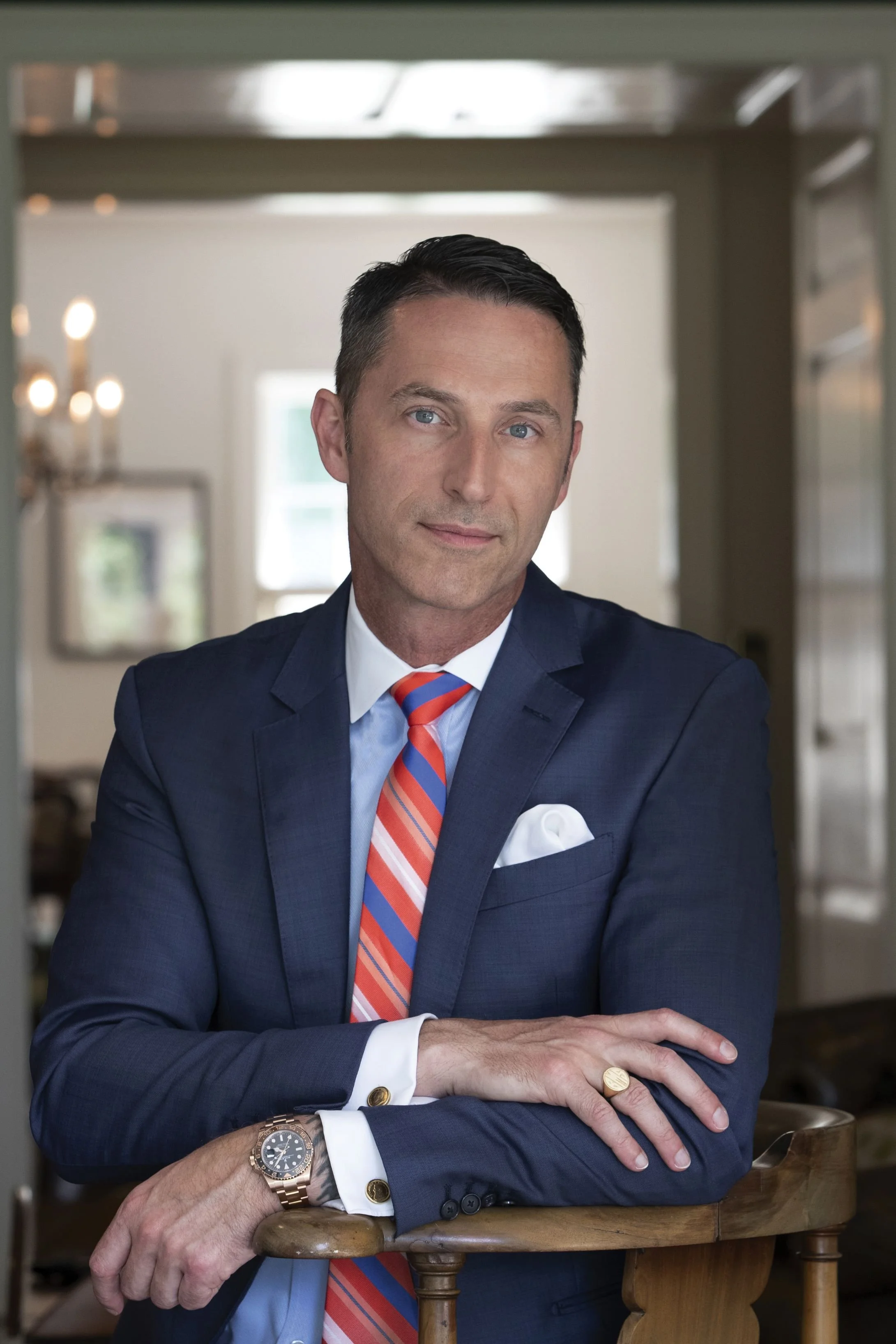
Brian S. Merkley
President & CEO, Merkley Kendrick Jewelers
Guest Contributor
KentuckyShow! Screenings Suspended Until February 1
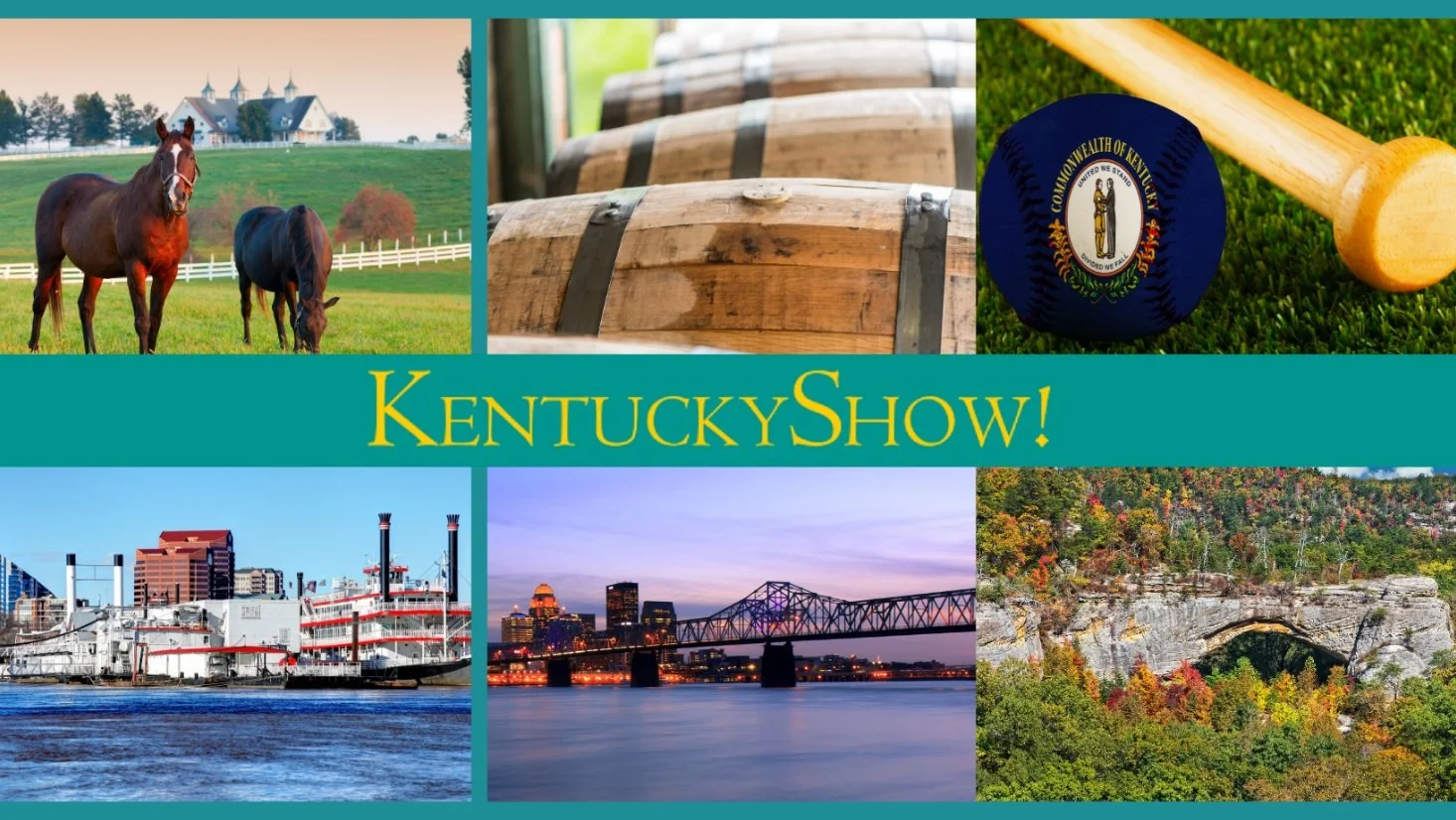
KentuckyShow! graphic.
The film KentuckyShow! explores the ways in which Kentucky’s past, present, and choices for the future converge to create an utterly unique and engaging place. Viewers get to experience the people, sights, and sounds of the state woven together in a high-definition production.
Typically, the Frazier screens the 32-minute film three times a day: at 11:30, 1:30, and 3:30 (with no 3:30 showing offered on Sundays).
However, we have just begun a renovation project in our Brown-Forman Theatre—so we are temporarily suspending all screenings. We apologize for the inconvenience! Screenings will resume February 1.
In the meantime, come see our three floors of exhibitions on Kentucky’s history, Bourbon, pop culture, and more!

Simon Meiners
Communications & Research Specialist
On the Trail with Abby: Jim Beam in Bullitt County

On the Trail with Abby graphic.
Bourbon tourism is booming—and the Kentucky Bourbon Trail® is growing faster than ever! Each week, the Frazier’s Abby Flanders takes readers on a digital stop-by-stop tour of this expanding adventure, spotlighting the distilleries, stories, and expressions behind America’s native spirit. Ready to hit the trail in real life? Start your journey at the Frazier Kentucky History Museum, the Official Starting Point of the Kentucky Bourbon Trail®.
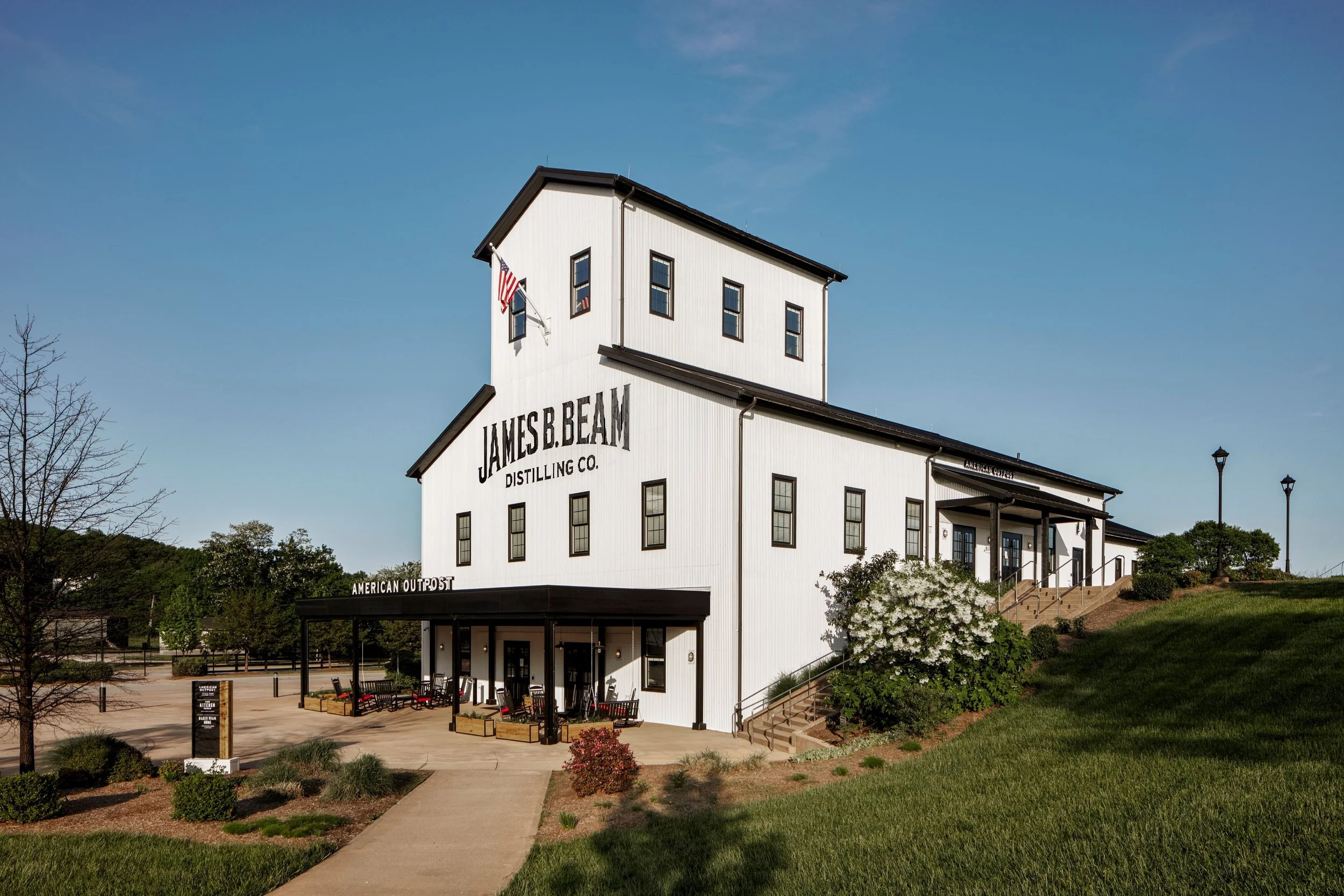
Exterior of Jim Beam in Bullitt County, Kentucky.
Jim Beam distillery in Bullitt County is rooted in the earliest days of American whiskey-making. When Jacob Beam began selling whiskey in 1795, Kentucky was still a frontier. More than two centuries later, the Beam family legacy continues pioneering one of the best-selling Bourbons in the world.
At the distillery, that history feels close at hand. From the family stories preserved in the rickhouses to the recipes that have remained largely unchanged, each are a reminder that while Jim Beam has grown into one of the most recognizable names in Bourbon, its foundation was built the same way as so many Kentucky distilleries: patiently, purposefully, and innovatively.
Although distillation at the main James B. Beam campus is currently on pause, folks on the trail can still visit for a tour and tasting. Take a sip of classic Beam as well as an offering of other products and brands within the family. Cheers!

Abby Flanders
Administrative Chief of Engagement
Bridging the Divide
Aflora Artist Spotlight: Guillermo A. Sollano

A 2019 artwork titled La Danza de la Vida by Guillermo A. Sollano on display in the Aflora exhibition at the Frazier Kentucky History Museum.
We recently partnered with La Casita Center to create the Aflora exhibition, which is on display now through March 3 at the Frazier Kentucky History Museum. It is a vibrant showcase of Latinx culture and resilience in the face of adversity. The following article was written by contributing artist Guillermo A. Sollano, providing additional context to both art and artist. The Frazier will also host an Aflora artist panel on Sunday, March 1, granting attendees rare insight into the artists’ creative processes and inspiration. Stay tuned for more details!—Jason Berkowitz, Engagement Specialist
Art, for me, began as survival. It was the language that allowed me to breathe when words failed—a way to make sense of loss, migration, and belonging. As a Mexican immigrant, father, and artist, my camera, my pen, my colors, and my acting became both mirror and compass—guiding me through transitions, helping me remember, and teaching me to see humanity through a lens of dignity, resilience, and love.
My journey didn’t begin in galleries. It began in the markets and streets of Mexico, in the dishrooms and the factories—in the lives of working people, in the rhythm of everyday life. Over time, art, acting, and photography became a spiritual practice: listening first, observing deeply, and capturing not perfection, but truth. Each image is a bridge between memory and presence, between who we were and who we are becoming.
When I founded Greater Art Soulutions, it was never just about photography. It was about connection—about creating a space where artists could meet, express, and grow together. Personally, I wanted to create art that helps people see themselves with pride, tenderness, and authenticity. Whether it’s a theater performance, a portrait, a corporate story, or a moment in the street, my goal is always the same to reveal the quiet power of being human.
The Aflora exhibition at the Frazier Kentucky History Museum feels like a circle completed. Standing among fellow artists whose stories echo resilience and identity reminds me that art is not just a reflection of the world—it is an act of hope. It’s a reminder that beauty can exist even in struggle, and that the light within us endures. Art, like life, is a sacred act of remembrance. It is the courage to stand in truth and still choose love. It is the decision to see beauty in imperfection, to forgive the past, and to create from what remains. My work—whether through a lens, a stage, or the written word—is my offering to that light within each of us. Through my projects and my upcoming book, Be-Do-Have: Redesign Your Life with Purpose, Integrity, and Love, I continue exploring how creativity can transform pain into purpose. Because in the end, art is not about recognition—it’s about connection, expression, and truth. It’s about the light that remains.
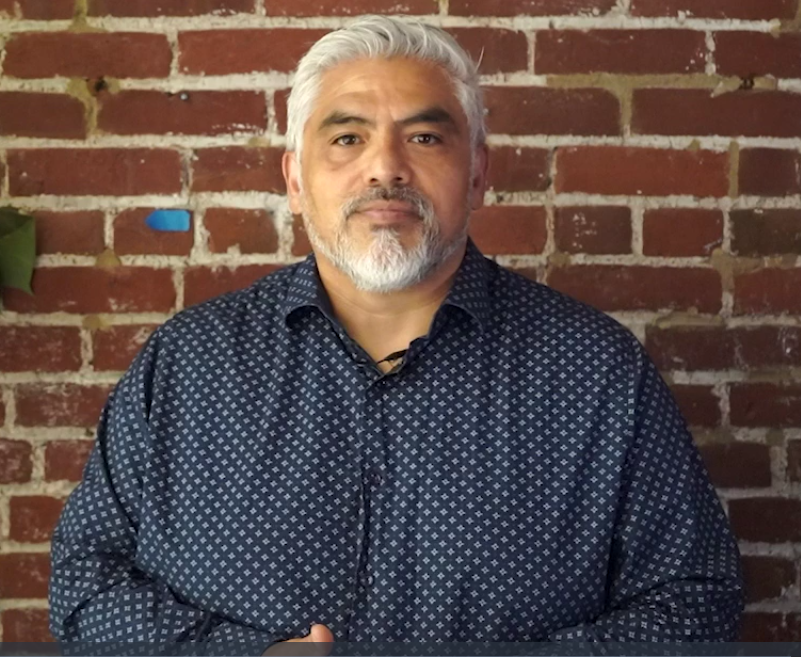
Guillermo A. Sollano
Artist
Guest Contributor
Remembering Trailblazing Female Jockey Diane Crump
Before Title IX, there was Diane Crump. She passed January 1 from brain cancer. Crump will be remembered as a sports pioneer and advocate for women’s equality. Further, Crump will be linked to the Bluegrass State for shattering the glass ceiling at the Kentucky Derby. Crump fought not only to compete but to prove that women belong in the saddle of the biggest horserace in the world.
Crump loved horses as a young girl—and a career as a jockey was a natural choice for her. But this was an impossible dream at the time as women were not allowed to have a jockey’s license. Crump worked with others to change this policy.
With her hard-earned jockey’s license in hand, Crump made history in 1969 as the first woman to compete in a pari-mutuel race in the United States, riding in Hialeah Park in Florida. Crump drew large crowds to the racetrack to see her race. The overall consensus was that a woman should not be allowed to ride a horse in the race. The crowd heckled Crump, encouraging her to “go back home” and to “get back in the kitchen.” requiring armed guard escorts for Crump. Six of the twelve male jockeys refused to mount their horses. Undeterred, Crump later recalled that the crowd’s reaction “didn’t diminish the way I felt, it didn’t diminish the love that I had.”
One year later, in 1970, Crump broke the glass ceiling at the Kentucky Derby by becoming the first woman ever to ride in the race. She did not win the race, however she accomplished something more impactful as she paved the way for the women jockeys that followed her. After her historic ride, it would be another fourteen years before another female jockey, P. J. Cooksey, would ride in the Kentucky Derby. Progress has been slow; in the fifty-five years since her ride, only four female jockeys have ridden in the Kentucky Derby. When asked about the slow progress of adding female jockeys to racing cards, Crump noted that a female rider not only has to have the skill and talent but also needs a trainer that believes in her abilities and chooses her to ride their horse.
Crump ended her career in 1998 with 228 victories, having spent nearly three decades challenging conventions and proving that skill, not gender, should determine opportunities in racing.
Crump’s legacy lives on not only in the record books but in the growing number of women who have followed in her footsteps. Her courage helped to dismantle institutional barriers and broadened the cultural understanding of what women can achieve in a male-dominated arena. Each woman who mounts a horse at Churchill Downs does so on the foundation Crump helped build.
Crump was a trailblazer whose life and achievements resonated far beyond the finish line—a woman who faced down resistance, broke through a formidable glass ceiling, and left the sport of horse racing, and the world of women in athletics, forever changed.

Susan Reed
Engagement Specialist